
Folliculitis
Conditions
By Mayo Clinic Staff
Overview
Folliculitis is a common skin condition that happens in one or more hair follicles. Hair follicles are tiny pockets in the skin where hair grows. An infection often causes folliculitis. It also can happen when hair follicles become irritated or damaged.
Folliculitis often causes small bumps or pimples filled with pus around hair follicles. Depending on your skin color, the bumps may look red, purple or darker than the skin around them. The skin also may itch, burn or feel painful or tender.
Superficial folliculitis affects the part of the hair follicle near the surface of the skin. Some types of folliculitis affect deeper parts of the follicle. These types can cause painful bumps or sores and may leave scars. Mild folliculitis often gets better on its own, but more serious cases may need treatment.
Types
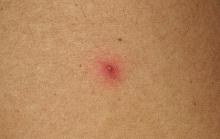
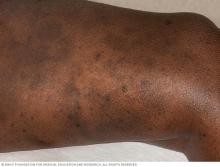
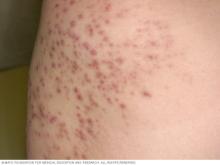
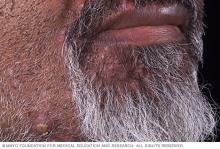
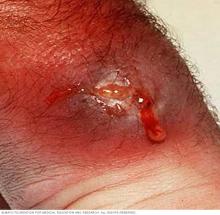
There are several types of folliculitis. They include:
- Bacterial folliculitis. This common type is caused by a bacterial infection, often from staph bacteria. It causes bumps filled with pus that may itch or hurt.
- Malassezia folliculitis, also called Pityrosporum folliculitis. This type happens when too much yeast grows on the skin. It often causes itchy bumps on the back, chest, shoulders or upper arms.
- Hot tub rash, also called Pseudomonas folliculitis. Bacteria cause this type. The bacteria can grow in hot tubs, heated pools and other warm water that isn't treated properly. The rash usually appears 1 to 2 days after being in the water.
- Razor bumps, also called pseudofolliculitis barbae. This condition can look like folliculitis. It happens when hairs grow back into the skin after shaving or waxing. These are called ingrown hairs. They are more common in people with curly hair. Razor bumps often develop on the face and neck, but they also can occur in the groin.
- Boils and carbuncles. These are deep infections of hair follicles. The cause is often staph bacteria. A boil is a large, painful lump filled with pus. A carbuncle is a group of connected boils.
- Sycosis barbae. This type is a deeper form of bacterial folliculitis in the beard and mustache area. The cause usually is staph bacteria.
- Gram-negative folliculitis. This type can happen after taking antibiotics for acne for a long time. It often causes bumps filled with pus around the nose, mouth or chin.
- Eosinophilic (e-o-sin-o-FILL-ik) folliculitis. This type causes very itchy bumps that may come and go. It happens most often in people with weakened immune systems, such as those with HIV/AIDS.
Symptoms
Symptoms of folliculitis may include:
- Small bumps or pimples around hair follicles. Depending on your skin color, the bumps may look red, brown, purple or darker than the skin around them.
- Bumps filled with pus that may break open and form a crust.
- Itchy or burning skin.
- Skin that is painful or tender.
When to see a doctor
Make an appointment with your healthcare professional if folliculitis covers a large area of skin or doesn't get better after 1 to 2 weeks of self-care measures.
Get medical care right away if you have symptoms of an infection that is getting worse or spreading. These may include:
- Pain or tenderness that gets worse.
- Changes in skin color that spread. The skin may look red, brown or purple depending on your skin color.
- More swelling.
- Fever or chills.
- Feeling unwell, also known as malaise.
Causes
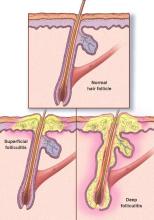
Folliculitis can have several causes. These include:
- Bacteria. Folliculitis is most often caused by an infection with bacteria, usually staph bacteria.
- Yeast, viruses and parasites. These also can cause folliculitis.
- Damage or irritation. Shaving, tight clothing and repeated rubbing of the skin can damage or irritate hair follicles.
- Medicines. Some medicines can cause folliculitis or increase the risk of certain types. These include some steroid medicines and antibiotics taken for acne for a long time.
Risk factors
Anyone can develop folliculitis. Certain factors increase the risk of getting it. These include:
- Regularly wearing clothing or footwear that traps heat and sweat.
- Soaking in hot tubs or heated pools that are not properly maintained.
- Damaging hair follicles by shaving, waxing or wearing wigs or tight hairstyles.
- Using certain medicines. These include some steroid medicines, antibiotics taken for acne for a long time and certain chemotherapy medicines.
- Having dermatitis or sweating a lot.
- Having diabetes.
- Having a weakened immune system, such as from HIV/AIDS.
Complications
Possible complications of folliculitis include:
- An infection that spreads or goes deeper into the skin.
- Scars that don't go away.
- Patches of skin that are lighter or darker than your usual skin color, often temporary.
- Damage to hair follicles that can cause permanent hair loss.
Prevention
These steps may help prevent folliculitis:
- Keep your skin and personal items clean. Wash your skin regularly with soap and water. Use clean towels and washcloths, and don't share them. Wash towels, washcloths and clothing often in hot, soapy water.
- Avoid rubbing on your skin. Wear loose clothing when possible. Make sure helmets, backpacks and other equipment fit well. Keep your skin and equipment clean and dry.
- Shave carefully. Use warm water and shaving cream or gel. Shave in the direction the hair grows. Use a clean, sharp razor. Don't shave too closely.
- Take care with hot tubs and pools. Use ones that are well maintained. Shower with soap after swimming. Wash your swimsuit after each use.
- Get care if folliculitis keeps coming back. Your healthcare professional may recommend medicine or a medicated wash to help prevent future infections.
Diagnosis
Your healthcare professional can usually diagnose folliculitis by looking at your skin and asking about your symptoms and health history.
If folliculitis does not get better with treatment or keeps coming back, your healthcare professional may do tests to find the cause. Tests may include:
- Skin scraping. Your healthcare professional gently scrapes a small amount of skin. The sample is checked for yeast under a microscope.
- Skin swab. Your healthcare professional uses a cotton swab to collect a sample from the skin. The sample is tested to find out whether an infection is causing the folliculitis.
- Skin biopsy. Your healthcare professional removes a small piece of skin. The tissue is checked under a microscope for signs of other skin conditions. This test is rarely needed.
Treatment
Treatment for folliculitis depends on the cause and how serious it is. Mild folliculitis often gets better with self-care measures, such as using a warm, wet cloth on the skin and keeping the area clean. Folliculitis that is more serious or keeps coming back may need medicine or another treatment. Folliculitis can come back even after treatment.
Your healthcare professional may refer you to a doctor who treats skin conditions, called a dermatologist, if folliculitis is severe or keeps coming back.
Medicines
The medicine used depends on the cause. Medicines may include:
- Antibiotics. These medicines treat folliculitis caused by bacteria. Mild infections may be treated with an antibiotic lotion or gel. More serious infections or infections that keep coming back may need antibiotics taken by mouth.
- Antifungal medicines. These medicines treat folliculitis caused by yeast. Treatment may include a cream, shampoo or pill. Antibiotics don't treat this type of folliculitis.
- Medicines for eosinophilic folliculitis. A steroid cream may help with itching from mild eosinophilic folliculitis.
Other treatments
Other treatments may include:
- Draining a boil or carbuncle. A healthcare professional may make a small cut in a large boil or carbuncle to drain the pus. This may ease pain, help the skin heal and lower the chance of scarring.
- Laser hair removal. Your healthcare professional may suggest laser hair removal as an option for pseudofolliculitis barbae. Several treatments may be needed.
Self-care
Mild bacterial folliculitis often gets better with self-care. These steps may help ease symptoms and help your skin heal:
- Apply a warm, wet washcloth. Hold it against the affected skin several times a day. This may ease pain and help pus drain.
- Use a soothing gel or lotion. It may help ease itching.
- Gently wash the affected area. Wash the skin twice a day with a mild cleanser or benzoyl peroxide wash. Use a clean washcloth and towel each time. Don't share them with others.
- Take a break from shaving. If shaving caused the folliculitis, don't shave the affected skin until it heals.
Preparing for your appointment
You may see your primary healthcare professional or a doctor who treats skin conditions, called a dermatologist.
Here are some ways to prepare for your appointment.
What you can do
Before your appointment, you may want to make a list that includes:
- Your symptoms and when they started.
- Your health conditions.
- All the medicines, vitamins and supplements you take and the doses.
- Things that may have affected your skin, such as shaving, waxing, hot tubs, pools, tight clothing or equipment that rubs your skin.
- Treatments or self-care measures you've tried and whether they helped.
- Any questions you want to ask.
Questions you may want to ask about folliculitis include:
- What may be causing my folliculitis?
- Do I need any tests?
- What treatment do you recommend?
- What are the possible side effects of the treatment?
- What can I do at home to help my skin heal?
- How can I tell if my folliculitis is getting better or worse?
- How can I keep folliculitis from coming back?
What to expect from your healthcare professional
Your healthcare professional may ask questions such as:
- When did your symptoms start?
- Do your symptoms come and go?
- Does your skin itch or hurt?
- Does anything make your symptoms better or worse?
- Have you shaved, waxed or removed hair from the affected area?
- Have you used a hot tub or heated pool recently?
- Have you been sweating more than usual?
- Does your work or a hobby expose your skin to heat, sweat or rubbing?
- What treatments or self-care measures have you tried? Have they helped?
© 1998-2026 Mayo Foundation for Medical Education and Research(MFMER). All rights reserved. Terms of Use