


If you’ve noticed weight creeping up during perimenopause or menopause, especially around the midsection, you’re not alone. Hormonal shifts, changes in muscle mass, sleep disruption, stress, and natural aging can all impact how your body stores fat and uses energy.

“There’s no easy way to prevent or reverse the weight gain that often comes with menopause,” says Dr. Deborah Lachance.“But sticking to a few weight-control basics can make a real difference over time.”
Here are the most effective, realistic strategies we recommend.
1. Move more (and keep it consistent)
Physical activity supports weight management and helps with energy, mood, sleep, and heart health.
“For most healthy adults, experts recommend about 150 minutes a week of moderate aerobic activity like brisk walking or 75 minutes a week of vigorous activity,” says Dr. Lachance.
Simple goal: 20–30 minutes most days, broken into smaller chunks if needed.
2. Strength training is a game-changer
During menopause, many women lose muscle mass more easily. Strength training helps improve body composition and makes your body more efficient at burning calories.
“Strength training helps build and maintain lean muscle,” Dr. Lachance explains. “As you gain muscle, your body burns calories more efficiently, which can make weight control easier.”
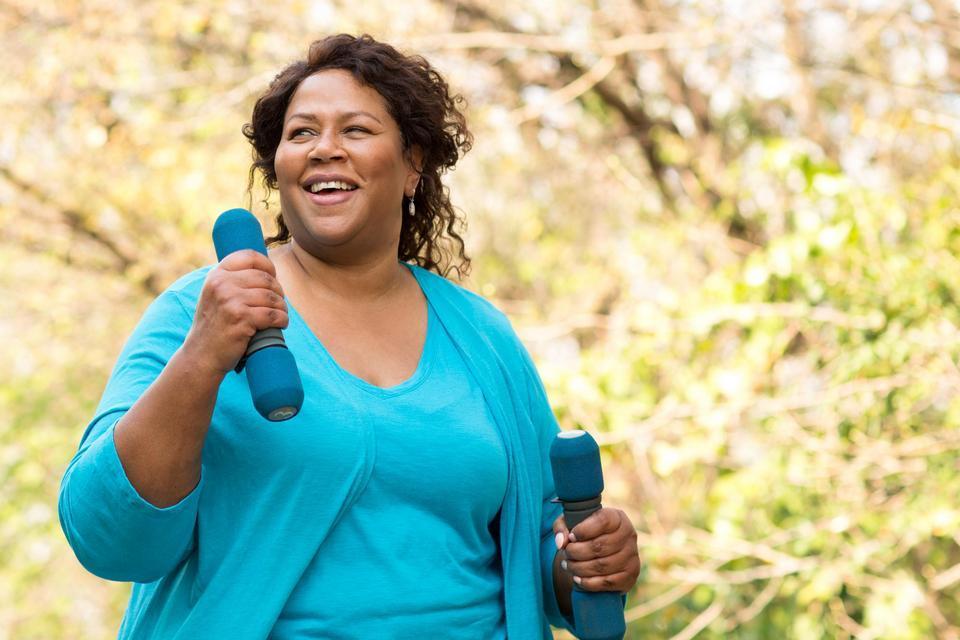
Simple goal: 2–3 strength sessions per week (bodyweight, resistance bands, or weights).
3. Be mindful of calories and choose quality
Your calorie needs can change with age.
“To maintain your current weight, and lose excess pounds, you may need about 200 fewer calories a day during your 50s than you did during your 30s and 40s,” says Dr. Lachance.
Focus on a plant-forward, whole-food diet: more fruits, vegetables, and fiber-rich foods. It is also recommended to cut back on refined carbs, which may help reduce the increase in belly fat that can occur in menopause and contribute to metabolic concerns.
4. Watch added sugar, especially in drinks
Added sugar can add up quickly, particularly in beverages like soft drinks, sweetened coffee/tea, juices, and energy drinks. Desserts and snack foods can also contribute.
A helpful first step: swap sugary drinks for water, sparkling water, or unsweetened options most days.
5. Limit alcohol
Alcohol adds extra calories and can increase the risk of weight gain. Cutting back, even a little, can support progress.
6. Prioritize protein + low-glycemic choices
“A higher-protein, low glycemic index approach seems to be best for promoting and maintaining weight loss,” says Dr. Lachance. “Focus on lean proteins, include some carbs, avoid huge helpings of fatty meats, and make sure to include vegetables.”
Bottom line
Menopause-related weight changes are common and frustrating, but small, consistent habits can help. Aim for regular movement, strength training, and a nutrient-dense diet that prioritizes protein and fiber.
“Successful weight loss at any stage of life requires permanent changes in diet and exercise habits,” Dr. Lachance says. “Commit to lifestyle changes and enjoy a healthier you.”
If you’re doing “all the right things” and still struggling, it may help to talk with a women’s wellness provider. Weight gain can also be influenced by sleep issues, medications, thyroid concerns, insulin resistance, stress, and more, especially during this phase of life.
A provider can help you tailor an approach that fits your symptoms, health history, and goals.
Please fill out a consultation request form or call us at 701.780.6608 to get started.