
Bursitis
Conditions
Overview
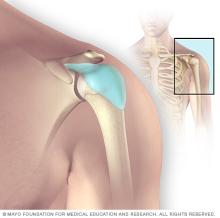
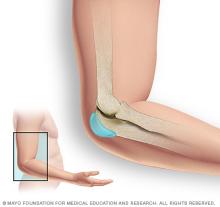
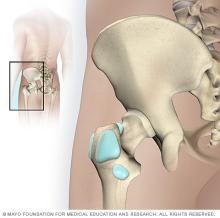
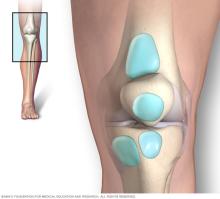
Bursitis (bur-SY-tis) is a painful condition that affects the small, fluid-filled sacs that cushion the bones, tendons and muscles near the joints. These sacs are called bursae (bur-SEE). Bursitis happens when bursae become swollen and irritated.
The most common places for bursitis are in the shoulder, knee, elbow and heel. But bursitis also can affect the hip and the base of the big toe. Bursitis often happens near joints that do many repeated motions.
Treatment most often involves resting the affected joint and protecting it from further damage. With treatment, bursitis pain most often goes away within weeks. But bursitis often flares up again.
Symptoms
Symptoms of bursitis may make the affected joint:
- Feel achy or stiff.
- Hurt more when moving or when someone presses on it.
- Look swollen and red. Redness may be harder to see on Black or brown skin.
When to see a doctor
Talk with your healthcare professional if you have:
- Joint pain that gets in the way of daily activities.
- A joint that doesn't move well.
- A lot of swelling, redness, bruising or a rash in the affected area. Redness may be harder to see on Black or brown skin.
- Sharp or shooting pain when exercising or overusing the joint.
- A fever.
Causes
A common cause of bursitis is repeated motions that put pressure on the bursae around a joint. Motions may include:
- Throwing a baseball or lifting something over the head again and again.
- Leaning on the elbows for long periods.
- Kneeling a lot for tasks such as laying carpet or scrubbing floors.
Other causes include injury to the affected area, osteoarthritis, gout, infection and inflammatory arthritis such as rheumatoid arthritis.
Risk factors
Factors that may raise the risk of getting bursitis include:
- Age. Bursitis becomes more common with aging.
- Jobs, hobbies or sports. Activities that involve repeating motions or putting pressure on certain bursae raise the risk of getting bursitis. Examples include laying carpet, setting tile, gardening, painting, and playing football and volleyball.
- Other medical conditions. Certain conditions may raise the risk of getting bursitis. These conditions include osteoarthritis, rheumatoid arthritis and gout. Being overweight can increase the risk of getting hip and knee bursitis.
Prevention
You can't prevent all types of bursitis. But you can lower your risk and ease flare-ups by changing the way you do certain tasks. For instance:
- Use kneeling pads. Use some type of padding to ease the pressure on your knees if your job or hobby has you kneeling a lot.
- Taking breaks often. Mix repeated tasks with rest or other activities.
- Be at a healthy weight. Being overweight places more stress on your joints.
- Exercise. Strengthening your muscles can help protect your affected joint.
- Warm up and stretch before tough activities to protect your joints from injury.
Diagnosis
Healthcare professionals often can diagnose bursitis based on a medical history and physical exam. Testing, if needed, might include:
- Imaging tests. X-ray images can help to rule out other causes of pain. A healthcare professional might use an ultrasound or MRI to help make the diagnosis of bursitis.
- Lab tests. These might include blood tests or a study of fluid from the inflamed bursa. These tests can help show the cause of the symptoms.
Treatment
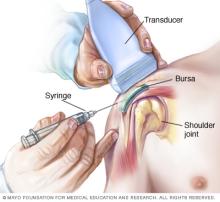
Bursitis most often gets better on its own. Measures such as rest, ice and taking a pain reliever can ease pain. If these measures don't work, a healthcare professional may suggest:
- Medicine. If an infection causes the swelling and irritation in the bursa, a healthcare professional might prescribe an antibiotic.
- Therapy. Physical therapy or exercises can strengthen the muscles in the affected area to ease pain and keep bursitis from coming back.
- Steroid shots. A corticosteroid medicine put into the bursa can relieve pain and swelling and irritation in the shoulder or hip. This treatment most often works quickly. It can ease pain and help make physical therapy easier to do.
- Assistive device. Short-term use of a walking cane or other device may help ease pressure on the affected area. Use of devices such as cushions, pads and braces also can help protect the joint.
- Surgery. Sometimes a surgeon drains an inflamed bursa. But surgical removal of the affected bursa is rare.
Lifestyle and home remedies
Try the following to relieve the pain of bursitis:
- Rest the affected area.
- Use ice to lessen swelling for the first 48 hours after symptoms start.
- Take a pain reliever you can get without a prescription. They include ibuprofen (Advil, Motrin IB, others) and naproxen sodium (Aleve). Some pain relievers come in a form you put on the skin, such as creams and gels.
Preparing for an appointment
Start by seeing your main healthcare professional, who might send you to a specialist in joint conditions, such as a rheumatologist or orthopedist.
What you can do
Make a list that includes:
- Detailed descriptions of your symptoms and when they began.
- Information about your medical history and your family's.
- All medicines, vitamins and dietary supplements you take, including dosages.
- Questions to ask the healthcare professional.
For bursitis, questions to ask your healthcare professional may include:
- What is the most likely cause of my symptoms?
- What are other possible causes?
- What tests will I need?
- What treatment do you suggest?
- I have other medical conditions. How best can I manage them together?
- Will I need to limit my activities?
- Do you have brochures or other printed material I can take? What websites do you suggest?
What to expect from your doctor
During the physical exam, your healthcare professional may press on spots around your affected joint to try to find whether a certain bursa is causing your pain.
Your healthcare professional also may ask you questions, such as:
- Did your pain come on suddenly or little by little?
- What kind of work do you do?
- What hobbies or activities do you do?
- Do certain activities, such as kneeling or climbing stairs, cause your pain or make it worse?
- Have you recently fallen or had another injury?
- What treatments have you tried?
- Does anything make your symptoms better or worse?
© 1998-2026 Mayo Foundation for Medical Education and Research(MFMER). All rights reserved. Terms of Use