
Cardiac amyloidosis
Conditions
Overview
Cardiac amyloidosis (am-uh-loi-DO-sis) is a serious condition that affects the heart. It happens when some proteins in the body change shape and stick together. The proteins form deposits called amyloid. When amyloid builds up in the heart, the heart walls get thick and stiff. So they can't stretch as well to fill with blood. This makes it harder for the heart to pump blood to the rest of the body.
Cardiac amyloidosis is a type of heart muscle disease called restrictive cardiomyopathy. It's called restrictive because the amyloid makes the heart less flexible. Other types of cardiomyopathy mainly make the heart weak, thick or larger than usual.
Amyloidosis can affect many other parts of the body, such as the kidneys, liver and nervous system. When it affects the heart, amyloidosis may be easy to miss at first. Shortness of breath or fast, pounding heartbeats may seem like symptoms of other health conditions. Over time, cardiac amyloidosis may lead to heart failure.
Finding cardiac amyloidosis early can help people start treatment sooner. Treatments have improved in recent years. There is no cure, but medicines can slow the disease and ease symptoms. However, the deposits and heart damage may not fully go away. Some people may need a heart transplant.
Types
There are different types of cardiac amyloidosis. Some types may run in families. That means they are inherited.
The types of amyloidosis that most commonly affect the heart are:
- Amyloid-light chain (AL) amyloidosis. This rare condition starts in the bone marrow. Some blood cells, called plasma cells, make proteins called light chains. The plasma cells make too much of one type of light chain. The light chains fold the wrong way and stick together, forming amyloid deposits. When the deposits build up in the heart, it is called AL cardiac amyloidosis. AL amyloidosis can happen with multiple myeloma or other blood conditions. It also is called immunoglobulin light chain amyloidosis.
- Amyloid transthyretin (ATTR) amyloidosis. The liver makes a protein called transthyretin (TTR). TTR helps carry thyroid hormone and vitamin A through the blood. In ATTR amyloidosis, this protein becomes unstable. It folds the wrong way and forms amyloid deposits. Healthcare experts think the condition may be more common than once thought and is often missed.
ATTR amyloidosis has two types:
- Wild-type transthyretin (ATTRwt) cardiac amyloidosis. This is the most common type of ATTR amyloidosis. It used to be called senile systemic amyloidosis. The gene for the TTR protein is not changed. Why the protein folds the wrong way is not clear. The protein may get less stable with age. The wild type mostly affects older adults.
- Hereditary transthyretin (ATTRv) cardiac amyloidosis. This type is caused by a change in the gene that makes the transthyretin protein. This gene change is called a variant. It can be passed from a parent to a child. Other names for this type are variant transthyretin amyloidosis and familial transthyretin amyloidosis.
Symptoms
Symptoms of cardiac amyloidosis happen as amyloid builds up in the heart and other parts of the body. But the symptoms can be vague. They may look like those of other heart conditions.
Cardiac amyloidosis symptoms may include:
- Chest pain, especially during activity.
- Fast, pounding or fluttering heartbeats.
- Feeling dizzy or fainting, especially after standing up.
- Feeling very tired, even after getting rest.
- Feeling weak or not able to do as much physical activity.
- Shortness of breath or trouble breathing with activity or even at rest.
- Swelling in the legs, ankles, feet or belly area.
Other symptoms can depend on the type of cardiac amyloidosis you have and what other parts of the body are affected. General symptoms may include:
- Not feeling hungry.
- Feeling full quickly after eating a small amount.
- Numbness and tingling in the hands or feet.
- Upset stomach, diarrhea or constipation.
- Easy bruising around the eyes and a swollen tongue, mainly with AL amyloidosis.
- Losing weight without trying.
Tell your healthcare team about all the symptoms you have. Your care team can help find the cause of your symptoms. Together, you can decide on the care you need.
When to seek care
Make an appointment for a health checkup if you have symptoms of cardiac amyloidosis. Also contact your healthcare professional if:
- You have cardiac amyloidosis and your symptoms are new or getting worse.
- You gain 5 pounds (2.3 kilograms) or more within a few days.
When to seek emergency care
Cardiac amyloidosis can make it hard for the heart to pump blood. Get medical help right away if you have:
- Chest pain.
- Sudden, severe shortness of breath.
- A very fast or not regular heartbeat with shortness of breath, chest pain or fainting.
These symptoms may be due to heart failure related to cardiac amyloidosis. But there are many other possible causes.
Causes
Cardiac amyloidosis is caused by certain proteins that fold the wrong way and stick together. This forms deposits called amyloid. The deposits build up in the heart, making the heart walls stiff and thick. This makes it harder for the heart to fill with blood and pump it through the body. Long ago, some people used "stiff heart syndrome" to describe how cardiac amyloidosis affected the heart.
In all types of cardiac amyloidosis, there are amyloid deposits. But the amyloid can form from different starting proteins.
Causes of AL cardiac amyloidosis
The cause of AL cardiac amyloidosis usually is a change in white blood cells in the bone marrow called plasma cells. This is called a plasma cell disorder. The changed plasma cells make too much of one type of light chain. A light chain is a type of protein. The light chains fold into the wrong shape. They stick together and form amyloid deposits in the heart.
Plasma cell disorders related to AL cardiac amyloidosis include:
- Monoclonal gammopathy of undetermined significance (MGUS). Some people have MGUS before AL cardiac amyloidosis develops.
- Multiple myeloma, a type of blood cancer. AL amyloidosis sometimes happens with this cancer. But most people with AL amyloidosis do not have multiple myeloma.
Less often, AL cardiac amyloidosis may be caused by other blood conditions that affect other cells that make antibodies. Examples are:
- Waldenstrom macroglobulinemia.
- Chronic lymphocytic leukemia.
- Some types of non-Hodgkin lymphoma.
Causes of ATTR amyloidosis
In ATTR amyloidosis, the cause is a change in a protein called transthyretin (TTR). The liver makes most of this protein. But why the TTR protein becomes less stable can vary.
- In wild-type ATTR, the TTR gene is not changed. The TTR protein gets less stable with age. The exact reason this happens is not known.
- In hereditary ATTR, a change in the TTR gene causes it to be less stable. The change in the gene can pass from a parent to a child.
Risk factors
Some things may make you more likely to get cardiac amyloidosis. Risk factors include:
- Age. Cardiac amyloidosis is more common in older adults. But the age range depends on the type of cardiac amyloidosis. Wild-type ATTR mainly affects people over age 60, often men. The age when hereditary ATTR happens can vary. It depends on the type of TTR gene change you have. AL cardiac amyloidosis is usually diagnosed around age 65.
- Genetics. Hereditary ATTR is passed down through families. That means it's inherited. A parent has a 1 in 2 chance of passing the changed TTR gene to each child. This is called an autosomal dominant inheritance pattern. However, not everyone with the gene change will develop cardiac amyloidosis.
- Ancestry. Some TTR gene changes happen more often in people whose families come from certain parts of the world. One gene change linked with hereditary ATTR cardiac amyloidosis is more common in people with West African or African Caribbean ancestry. Other TTR gene changes are more common in families from Portugal, Sweden, Japan, Ireland, Italy and Denmark.
Complications
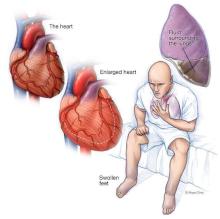
Cardiac amyloidosis complications happen because amyloid buildup changes how the heart beats and pumps blood. The condition can lead to serious medical conditions. Possible complications include:
- Heart failure. This is a common complication of cardiac amyloidosis. In cardiac amyloidosis, the heart gets stiff. So it can't stretch as well as it should to fill with blood. As a result, the heart can't pump enough blood to meet the body's needs. Heart failure can be life-threatening.
- Irregular heartbeats, called arrhythmias. Amyloid deposits can affect the electrical signals that tell the heart to beat. The heart may beat too fast or too slow. Or the heartbeat may not follow a steady pattern. Atrial fibrillation (AFib) is one type of irregular heartbeat. It can cause blood clots that lead to stroke. AFib is more common in people with ATTR amyloidosis than in people with AL amyloidosis.
- Heart block, also called conduction block. Amyloid deposits can damage the heart's electrical pathways. This can slow or stop the signals that tell the heart to beat. Heart block may cause a slow heartbeat, fainting or dizziness. Some people need a pacemaker to help the heart beat at a safe rate.
- Sudden cardiac arrest. Rarely, a dangerous heartbeat or severe failure in how the heart beats or pumps can cause the heart to suddenly stop pumping blood. Without emergency treatment, sudden cardiac arrest can lead to sudden cardiac death.
Regular health checkups can help your care team watch for these complications. Finding and treating them early can help you feel better and protect your heart.
Diagnosis
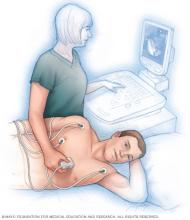
Cardiac amyloidosis can be hard to diagnose. Its early symptoms can be a lot like those of other more common heart conditions.
To diagnose cardiac amyloidosis, a healthcare professional asks about your symptoms, your health history and your family health history. Next, your healthcare professional examines you and listens to your heart.
You also may need tests to check your heart and look for causes of your symptoms.
Electrocardiogram (ECG/EKG)
This quick and painless test can often be done when you first see your healthcare professional. It shows how your heart is beating and how electrical signals move through the heart. Cardiac amyloidosis can cause changes in the heartbeat.
For this test, sticky patches with sensors on them go on your chest and sometimes your arms and legs. Wires connect the sensors to a computer, which prints or shows the results.
Blood and urine tests
Some blood and urine tests can help find signs of cardiac amyloidosis. Results from some of the tests help your care team learn how much the heart and other organs are damaged. But these tests can't diagnose cardiac amyloidosis by themselves.
Blood and urine tests may include:
- Troponin. This is a protein found in heart muscle. Higher levels of the protein in the blood may mean more heart muscle damage.
- N-terminal pro-B-type natriuretic peptide (NT-proBNP) or B-type natriuretic peptide (BNP). The heart releases these substances into the bloodstream when its chambers are stretched or under increased pressure. High levels may be a sign of heart failure. Heart failure is a common complication of cardiac amyloidosis. Changes in NT-proBNP or BNP levels also help your healthcare team know how AL amyloidosis treatment is working.
- Estimated glomerular filtration rate (eGFR). This blood test shows how well the kidneys are working. It checks the level of a waste product made by muscles called creatinine. Then it estimates how much blood the kidneys filter each minute. In cardiac amyloidosis, the eGFR may go down if the kidneys are not doing their job well.
- Immunoglobulin free light chains. This blood test measures two small protein pieces called kappa and lambda free light chains. It also checks whether there is more of one type than the other. A higher level of one type or change in the balance between the two may be a sign of AL amyloidosis or another plasma cell disorder. The difference between the increased light-chain level and the other light-chain level is called the difference in free light chains (dFLC). The dFLC measurement helps your healthcare team assess the condition and track how well treatment is working.
- Electrophoresis and immunofixation. These tests check blood and urine for a protein, called an antibody, made by one group of changed plasma cells. The protein is called a monoclonal protein. These tests are used with the free light chain test to look for signs of a plasma cell disorder. Results that are not in range may suggest AL amyloidosis. But more testing is needed to confirm the diagnosis.
- Other blood tests. Amyloidosis can affect more than the heart. Other blood tests may be done to see how well other parts of the body are working, such as the liver.
Imaging tests
Imaging tests make pictures of the heart. They can show changes caused by amyloid buildup. Imaging tests to help diagnose or monitor cardiac amyloidosis may include:
- Chest X-ray. A chest X-ray shows the condition of the lungs and heart. It can show whether the heart is larger than usual.
- Echocardiogram. This is one of the first tests done to help diagnose cardiac amyloidosis. Sound waves make moving pictures of the beating heart. The test shows the thickness of the heart walls and how well the heart squeezes and pumps blood. It also can show patterns in the heart that suggest amyloid buildup.
- Heart MRI, also called cardiac MRI. This test uses radio waves and a strong magnetic field to make clear pictures of the heart tissue. It shows the structure of the heart. It also can show patterns related to amyloid buildup. This test may be done if the images from an echocardiogram do not give enough information.
- Single-photon emission computerized tomography (SPECT) scan. This is a type of nuclear imaging. It's the main nuclear imaging test used to diagnose ATTR cardiac amyloidosis. The test uses a small amount of a radioactive substance called a tracer. If a lot of the tracer collects in the heart during this test and blood and urine tests do not show signs of AL amyloidosis, ATTR may be diagnosed without a heart biopsy.
- Positron emission tomography (PET) scan. This is another nuclear imaging test. It uses a small amount of a tracer that's made to stick to amyloid. An amyloid PET scan may be used to help diagnose amyloidosis when other test results are not clear. PET scans for cardiac amyloidosis are still investigational. They are not part of routine diagnosis. The test is generally available only at specialized centers or through research studies.
Heart biopsy
A biopsy is the removal of a piece of body tissue to be checked under a microscope.
A heart biopsy is usually done in a hospital. A doctor places a thin, flexible tube, called a catheter, through a blood vessel and guides it into the heart. A tiny tool at the end of the tube removes a few small pieces of heart tissue. The tissue goes to a lab where it's checked for amyloid and the type of amyloid.
Your healthcare professional may suggest a heart biopsy when:
- Other tests for cardiac amyloidosis don't give a clear answer.
- Other tests can't tell whether the amyloid is due to AL or ATTR cardiac amyloidosis.
Your care team uses the results of all tests to diagnose cardiac amyloidosis and plan your care.
Genetic testing
Some types of cardiac amyloidosis can be passed down through families. If you have the condition, your healthcare professional may recommend that your family members be checked.
Ask your healthcare professional if genetic testing is right for you. Family screening or genetic testing may include first-degree relatives. This means your parents, siblings and children.
Treatment
There's no single treatment that cures cardiac amyloidosis or reverses all the damage in the heart. But newer treatments can help slow or stop more amyloid from forming. Treatments also can help prevent further damage. In some people, treatment may reverse the damage that already happened.
Your healthcare team works with you to create a treatment plan that fits your condition and symptoms. The goals of treatment are to:
- Manage symptoms.
- Keep the condition from getting worse.
- Lower the risk of complications.
Treatment includes medicines that target the cause of amyloidosis. It also includes medicines that help the heart work better. The type of medicine you get depends on the type of cardiac amyloidosis you have. The type of medicine you need may change over time.
Your healthcare team may change your treatment based on:
- How much your heart is affected.
- If other organs are affected.
- Your overall health.
Medicines for AL cardiac amyloidosis
If you have AL cardiac amyloidosis, you usually get medicines to stop the changed plasma blood cells from making harmful light chains. Lowering the amount of harmful light chains slows or stops new amyloid from forming.
These medicines are often given together for people newly diagnosed with AL cardiac amyloidosis:
- Daratumumab-hyaluronidase (Darzalex Faspro).
- Bortezomib (Velcade).
- Cyclophosphamide (Cytoxan).
- Dexamethasone.
If the first medicine is not a good fit or does not work well enough or if the disease comes back, your care team may use other medicines or medicine combinations. A clinical trial also may be an option.
Some people with AL cardiac amyloidosis may get high-dose chemotherapy medicines and then a stem cell transplant.
Medicines for ATTR cardiac amyloidosis
There are two main types of medicines used to treat ATTR cardiac amyloidosis.
- Protein stabilizers. These medicines help stop the transthyretin (TTR) protein from breaking apart. This slows amyloid from forming. Protein stabilizers used to treat ATTR cardiac amyloidosis include tafamidis (Vyndamax) and acoramidis (Attruby). By slowing the disease, these medicines can help people stay active longer. They also can lower the risk of hospital stays for heart concerns.
- Protein silencers. These medicines lower the amount of transthyretin (TTR) protein made by the liver. Vutrisiran (Amvuttra) is one example.
Medicines to treat symptoms and prevent complications
Your healthcare professional also may give you medicines to treat your symptoms and to prevent complications. Medicines can help:
- Control heartbeats that aren't regular.
- Remove extra fluid from the body.
- Prevent blood clots.
Some medicines commonly used for heart failure or high blood pressure may not work well for people with cardiac amyloidosis. They also may cause blood pressure to drop too low. Your healthcare team chooses these medicines carefully.
Surgery or other procedures
Some people with cardiac amyloidosis may need a stem cell transplant or heart transplant.
- Autologous blood stem cell transplant. This may be a treatment for carefully selected people with AL amyloidosis that has not affected the heart too much. Stem cells are very young cells that help make blood cells. Autologous means that the stem cells come from your own body. A healthcare professional places a needle into a vein in your arm and draws some blood. A machine removes the stem cells. The stem cells are frozen and saved. The rest of your blood goes back into your body. Next, you get strong chemotherapy medicines to kill many of the cells that make harmful light chains. Then your saved stem cells go back into your body to help your bone marrow start making new blood cells.
- Heart transplant. If amyloid deposits cause a lot of damage to your heart, you might need a heart transplant. A surgeon removes your heart and replaces it with a healthier heart from a donor. It may be a treatment option for heart failure when medicines and other treatments no longer work.
You may need other procedures to treat complications of cardiac amyloidosis, such as atrial fibrillation (AFib). Some people with AFib may need cardiac ablation to help control the heartbeat.
Heart devices
Some people with cardiac amyloidosis have serious changes in their heartbeat. They may need a heart device to help the heart beat as it should. The device is placed in the chest during a minor surgery. Heart devices may include:
- Pacemaker. If cardiac amyloidosis makes your heart beat too slowly, you may need this device. It helps keep the heart beating regularly.
- Implantable cardioverter-defibrillator (ICD). This device is a treatment for certain dangerous heartbeats. It delivers an electric shock when needed to reset the heart rhythm.
- Cardiac resynchronization device. This is a treatment for some people with moderate to severe heart failure. It helps the heart chambers squeeze in a better and more organized way.
After treatment for cardiac amyloidosis, you need regular health checkups. This may include tests to check your heart and to see how well treatment is working.
Care team
If you have cardiac amyloidosis, different healthcare professionals work together to treat your condition and support your care. You do not have to manage the condition on your own.
Your specific care team depends on your individual needs but may include:
- Doctors trained in heart diseases, called cardiologists.
- Other heart specialists who care for and treat irregular heartbeats and heart failure.
- Doctors trained in blood diseases, called hematologists.
- Genetic counselors.
- A primary care healthcare professional.
Lifestyle and home remedies
Cardiac amyloidosis can make everyday activities harder because you may feel tired, weak or short of breath. These steps may help you manage symptoms and stay as active as you can.
- Take your medicines as directed.
- Go to your regular health checkups.
- Do not smoke.
- Follow your healthcare team's advice about salt and fluids.
- Talk to your care team before making big changes to your diet or activities.
- Stay active in ways your healthcare team says are safe.
- Rest when you feel tired.
It also is important to manage emotional stress. Learning that you have cardiac amyloidosis may be difficult. Some people find that talking about their concerns with others in similar situations can help. You might connect with friends or family or join a support group.
Prognosis means what may happen with the condition over time. It also means how well you may do after treatment. It also may be called your outlook.
The prognosis for cardiac amyloidosis is different for each person. The condition can be life-threatening. But newer treatments have improved the outlook for many people with cardiac amyloidosis.
Your prognosis depends on several things, including:
- The type of cardiac amyloidosis.
- The stage of the condition.
- Whether other organs are affected.
- How early you start treatment.
- How well treatment works for you.
In general, a better prognosis for both types is linked with:
- Finding cardiac amyloidosis early.
- Starting treatment before there is a lot of heart damage.
If it is not treated, AL cardiac amyloidosis often gets worse faster than ATTR cardiac amyloidosis. The prognosis for AL cardiac amyloidosis is better when treatment lowers harmful light chains quickly and by a large amount.
The prognosis for ATTR amyloidosis depends on the stage of the condition and how well the heart and kidneys work.
For hereditary ATTR amyloidosis, the specific change in the TTR gene may affect when your symptoms start. It also may affect which organs are involved and how your condition changes over time. Your healthcare professional may suggest genetic counseling. A genetic counselor can explain what your gene change may mean for you and your family.
To understand your prognosis, your healthcare team uses results from blood tests and imaging tests, such as echocardiograms and cardiac MRI. No single test can predict exactly what will happen to one person.
Preparing for an appointment
If you have symptoms of cardiac amyloidosis or are worried about your risk of the condition, make an appointment with your healthcare professional. You may be referred to a doctor trained in heart diseases, called a cardiologist. You also may see a doctor trained in blood disorders, called a hematologist. If cardiac amyloidosis is found early, treatment may work better.
Appointments can be brief. Because there's often a lot to talk about, it's a good idea to be prepared for your appointment. Here's some information to help you get ready.
What you can do
When you make your appointment, ask if you need to do anything in advance. For example, you may be told not to eat or drink for a while before some tests.
Other things you can do to prepare:
- Write down any symptoms. Include those that may not seem related to cardiac amyloidosis.
- Write down important personal information. Tell your healthcare team if you have a family history of amyloidosis. Some types can run in families. Knowing as much as you can about your family history can be helpful.
- Make a list of all the medicines, vitamins and supplements that you take. Include the doses.
- Ask someone to go with you to help you remember what your care team says.
Also write down questions to ask your healthcare team. For cardiac amyloidosis, some basic questions include:
- What type of cardiac amyloidosis do I have?
- What other organs are affected?
- What tests do I need?
- What treatments do I need?
- What types of side effects can I expect from treatment?
- What are the possible complications?
- Do I need to change my diet or activities?
- Should I consider genetic testing or genetic counseling?
Don't hesitate to ask other questions during your appointment.
What to expect from your doctor
Your healthcare team usually asks many questions, such as:
- When did your symptoms start?
- How bad are they?
- Do the symptoms come and go, or do you have them all the time?
- Does anything make your symptoms better or worse?
- How is your appetite?
- Have you recently lost weight without trying?
- Have you had any swelling in your legs, feet or ankles?
- Have you felt short of breath?
- Are you able to work and do your usual daily tasks?
- Has anyone in your family ever been diagnosed with amyloidosis?
Stages
Staging is a way to describe how serious cardiac amyloidosis is. It also helps your healthcare team know your outlook, also called prognosis. But it doesn't tell you exactly what will happen. It also doesn't say how much amyloid is in the heart. But staging can help your healthcare team plan the right treatment for you. The staging system depends on the type of cardiac amyloidosis.
Stages of AL cardiac amyloidosis
There are several staging systems available to tell how AL amyloidosis may affect a person over time. These systems use blood test results that show stress or damage to the heart, such as troponin and NT-proBNP. Some also use results from echocardiograms.
Older AL amyloidosis staging systems include the Mayo 2012 system and the European-modified Mayo 2004 system. A newer system is the AL International Staging System (AL-ISS). It was created using information from people who received newer treatments. It groups AL amyloidosis from stage 1 through stage 3C.
Staging systems continue to evolve as treatments improve. Your healthcare team can explain which system it uses and what your stage means for you.
Stages of ATTR cardiac amyloidosis
There are two commonly used systems to help stage ATTR cardiac amyloidosis.
- The Mayo Clinic staging system uses the results from NT-proBNP and troponin blood tests. The tests show if there are signs of stress or damage to the heart. This system was developed for wild-type ATTR cardiac amyloidosis. It groups the condition from stage 1 to stage 3. Stage 1 means earlier disease. Stage 3 means more serious disease.
- The National Amyloidosis Centre staging system uses NT-proBNP and a measure of kidney function called estimated glomerular filtration rate (eGFR). It can be used for both wild-type and hereditary ATTR cardiac amyloidosis. It groups the condition from stage 1 to stage 3. Stage 1 means earlier disease. Stage 3 means more serious disease. An expanded version adds stage 4, but it may not be used everywhere yet.
Your healthcare team can explain which staging system it uses. The stage is only one part of your care. Your symptoms and other test results matter too. How well you do with treatment also matters.
© 1998-2026 Mayo Foundation for Medical Education and Research(MFMER). All rights reserved. Terms of Use