
Cutaneous T-cell lymphoma
Conditions
Overview
Cutaneous T-cell lymphoma is a rare type of lymphoma that mainly affects the skin. Lymphoma is a cancer that affects the lymphocytes, which are a type of white blood cell. The white blood cells are part of the body's germ-fighting immune system.
There are many types of lymphoma. These types are often divided into two categories: Hodgkin lymphoma and non-Hodgkin lymphoma. Cutaneous T-cell lymphoma (CTCL), is a type of non-Hodgkin lymphoma.
CTCL gets its name from the kind of cell that makes up this cancer. It begins in white blood cells called T cells. These cells also are called T lymphocytes. The T cells undergo changes and turn into cancer cells. A cell's DNA holds the instructions that tell the cell what to do and when to die. Because of these DNA changes, the cells don't die. They usually multiply and form a mass. In cutaneous T-cell lymphoma, the T cells attack the skin.
Cutaneous T-cell lymphoma is not a single condition. There are several types of CTCL. Depending on the type you have, it can appear on the skin as a rash or as slightly raised or scaly patches in various shapes, sizes and colors. Sometimes other growths, including firm bumps and tumors, may appear within the skin.
CTCL is often hard to diagnose early because it usually looks like the skin conditions eczema, and psoriasis when it first starts. The rash can go away and come back. This cycle can repeat for months or years before the rash becomes worse or the prescribed treatment stops working. CTCL also is easy to miss in tests when it first appears. Under the microscope, the cancer cells may look like cells from a typical rash. Sometimes the skin has to be studied many times before a diagnosis is reached.
Cutaneous T-cell lymphoma typically cannot be cured. But many treatments can help reduce symptoms, improve the skin appearance and slow the cancer's growth. Treatment depends on the type of CTCL you have. If the cancer is only in the skin and in early stages, healthcare professionals may start with skin-directed treatments. If the cancer forms tumors or spreads to the blood, lymph nodes or organs, systemic treatments, which work throughout the whole body, usually are given.
Skin-directed treatments may include skin creams, light therapy and surface-level radiation therapy. Chemotherapy is a systemic treatment. A combination of several of these options may be used. These treatments help manage the disease and improve quality of life.
There are several types of cutaneous T-cell lymphoma (CTCL). Some types are indolent, which means the cells grow slowly. In other types, the cells grow quickly. The CTCL types include:
- Mycosis fungoides. Mycosis fungoides is the most common type of CTCL. It typically grows slowly and mainly looks like scaly patches similar to eczema or psoriasis. In a small number of people, it can worsen quickly.
- Sezary syndrome. Sezary syndrome grows and expands quickly. It affects the skin and the blood. In time, it typically causes a rash over the whole body.
- Subcutaneous panniculitis-like T-cell lymphoma. This type is usually slow growing. It mainly affects the fatty layer underneath the skin and may feel like a hard lump under the skin. It usually appears on the arms, legs, face and torso. The torso includes the chest, stomach and pelvic area.
- Primary cutaneous gamma-delta T-cell lymphoma. Primary cutaneous gamma-delta T-cell lymphoma is typically fast growing. It may cause thickened patches of skin, lumps, tumors or ulcers in the skin.
- Primary cutaneous anaplastic large cell lymphoma. This type usually appears on or in the skin as slow-growing lumps.
There are many types of cancer that start in the immune cells and affect the skin. People sometimes wonder if CTCL is the same as cutaneous B-cell lymphoma. CTCL is a type of non-Hodgkin lymphoma that starts in the T cells. Cutaneous B-cell lymphoma is a type of non-Hodgkin lymphoma that involves B cells, which is another type of immune system cell. People who have lymphomas involving B cells often have different treatment plans.
Symptoms
Signs and symptoms of cutaneous T-cell lymphoma (CTCL) include:
- Patches of flat, raised or scaly skin that might itch. The patches happen most often on skin that doesn't get much sun, including the upper thighs, breasts and buttocks.
- Patches of skin that look pink, red, brown or gray. They may be harder to see on Black and brown skin.
- Patches of skin that look lighter in color than the skin around them. They may be harder to see on white skin.
- Lumps that form on the skin and may break open.
- Lymph nodes that get bigger.
- Hair loss, including on the body and scalp.
- Thickened skin on the palms of the hands and soles of the feet.
- A rash over all the skin that is scaly and itchy.
When to see a doctor
Make an appointment with a healthcare professional if you have symptoms that worry you or are not going away. This might include an itchy rash that is worsening or not responding to prescribed medication.
Causes
Cutaneous T-cell lymphoma (CTCL) begins in white blood cells called T cells. T cells also are called T lymphocytes. In one type of CTCL called Sezary syndrome, the cancer cells also are in the blood.
The T cells undergo changes and turn into cancer cells. A cell's DNA holds the instructions that tell the cell what to do and when to die. Because of these DNA changes, the cells don't die. They usually multiply and form a mass. In CTCL, the T cells attack the skin. Exactly why these DNA changes happen is not known.
Risk factors
The risk of cutaneous T-cell lymphoma (CTCL) may be higher in:
- Older adults. The condition can happen at any age, but it's more common in people age 50 and older.
- People assigned male at birth. The condition is twice as common in people assigned male at birth than it is in people assigned female at birth.
- Black people. Black people have the highest risk of getting CTCL and are more likely to get this cancer at an earlier age.
There is no known way to prevent CTCL.
Complications
Cutaneous T-cell lymphoma (CTCL) may cause a number of complications as the cancer grows and spreads to other areas of the body. Complications vary by type. For example, mycosis fungoides and Sezary syndrome may cause infections and additional types of lymphoma.
Diagnosis
Getting the right diagnosis may take time. Cutaneous T-cell lymphoma (CTCL) is hard to diagnose because its rash usually looks like the skin conditions eczema and psoriasis when it first starts. Eczema also is called atopic dermatitis.
The rash can go away and come back. The cycle can repeat for months to years before the rash becomes worse or stops responding to medicine. A dermatologist or other healthcare professional typically begins with a thorough skin exam. CTCL tests and procedures might include blood tests, skin biopsies and imaging tests.
Physical exam
A healthcare professional typically starts with a physical exam to check your skin for scaly areas, growths and unusual patterns. You may be asked you how your symptoms have behaved over time. The healthcare professional also may check for other signs of cutaneous T-cell lymphoma, such as swollen lymph nodes.
Blood tests
Blood tests such as a complete blood count can give information about your condition. Sometimes blood tests show cancer cells in the blood. This is more common with one type of cutaneous T-cell lymphoma called Sezary syndrome.
Skin biopsy
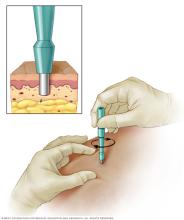
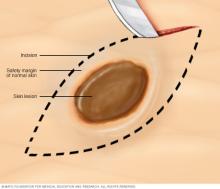
A skin biopsy is a key part of getting the diagnosis. It is a procedure to remove cells from the surface of the body so that they can be looked at under a microscope and tested in a lab. The tests can show whether cancer cells are present in the skin.
A healthcare professional may take the sample of skin with a circular cutting tool. This type of biopsy is called a punch biopsy. For larger areas and growths, the healthcare professional may use a small knife. This is called an excisional biopsy.
Skin biopsies don't always detect cancer cells, even when cancer is present. Under the microscope, the biopsied cells might look like cells from a typical rash when symptoms first appear. You might need more than one skin biopsy over time.
Imaging tests
An imaging test takes pictures inside the body. It can show the location and extent of the cutaneous T-cell lymphoma.
If there's concern that the cancer cells have spread to other parts of the body, your healthcare professional may suggest imaging tests. These may include a computerized tomography scan, also called a CT scan, or a positron emission tomography scan, also called a PET scan.
Testing lymphoma cells in the lab
Lymphoma cells collected from a biopsy go to a lab for testing. The healthcare team uses the results to find out the type of cutaneous T-cell lymphoma (CTCL) that you have.
To help decide whether the cells are CTCL cells, these lab tests look for:
- Proteins on the surface of the cancer cells. CTCL cells have certain proteins on their surfaces that can help identify them. These proteins are known as markers.
- Changes in the cancer cells' DNA. Cancer can happen when cells get changes in their DNA. A cell's DNA holds the instructions that tell a cell what to do. Gene changes can cause the cells to multiply rapidly.
Treatment
Treatments for cutaneous T-cell lymphoma (CTCL) depend on the type. They also depend on how much skin is involved and whether the cancer has spread to the blood, lymph nodes or organs.
Treatment often involves skin-directed therapies and systemic treatments that work throughout the whole body. Treatment may include topically applied medicines. It also may include radiation therapy, light therapy, extracorporeal photopheresis, topically applied chemotherapy, systemic medications or systemic chemotherapy. Sometimes, but not commonly, it may include bone marrow transplant is used. Many treatments exist for this cancer. Your treatment plan may include a mix of treatments.
Skin creams and ointments
Some medicines for CTCL are applied to the skin. The medicines may come in creams, gels and ointments.
Medicines used in this way include:
- Steroid medicines. Steroid medicines put on the skin can help control rash and itchiness.
- Chemotherapy medicines. Chemotherapy treats cancer with strong medicines. Some chemotherapy medicines are put on the skin to kill the cancer cells.
Light therapy
Light therapy for cutaneous T-cell lymphoma involves shining a certain kind of light on the skin to kill the cancer cells. During this treatment, you stand in a treatment area while lamps shine on your skin. The treatment often is given a few times a week for several weeks.
Sometimes light therapy also uses medicine to make the cancer cells easier to hurt with the light. This is called photodynamic therapy.
Radiation therapy
Radiation therapy treats cancer with powerful energy beams. For cutaneous T-cell lymphoma, the energy beams are most often X-rays or electrons. The treatment might target a small area of cancer on the skin. Or it can be given to all the skin on the body but typically does not enter penetrate into the body.
Extracorporeal photopheresis
Extracorporeal photopheresis helps reduce the amount of cancer cells in the blood. The treatment involves removing blood from the body, spinning it to separate cellular components, and then extracting white blood cells. A photosensitizing medicine called 8-methoxypsoralen, is added to the white blood cells. The cells are then exposed to ultraviolet A light. Afterward, the treated cells are returned to the body.
Medicines in pill form or through a vein
Some medicines for CTCL are given in pill form or through a vein. Giving the medicine this way means it travels through the body and can treat the cancer wherever it is growing.
Medicines used in this way include:
- Chemotherapy. Chemotherapy treats cancer with strong medicines. The medicines kill the cancer cells.
- Targeted therapy. Targeted therapy for cancer is a treatment that uses medicines that attack specific chemicals in the cancer cells. By blocking these chemicals, targeted treatments can cause cancer cells to die.
- Immunotherapy. Immunotherapy for cancer is a treatment with medicine that helps the body's immune system kill cancer cells. The immune system fights off diseases by attacking germs and other cells that shouldn't be in the body. Cancer cells survive by hiding from the immune system. Immunotherapy helps the immune system cells find and kill the cancer cells.
Bone marrow transplant
A bone marrow transplant, also called a bone marrow stem cell transplant, involves putting healthy bone marrow stem cells into the body. These cells replace cells hurt by chemotherapy and other treatments. A bone marrow transplant might be used when CTCL is far along or comes back after other treatments.
The cancer prognosis tells you how likely it is that the cancer can be treated successfully. Your healthcare team can get a general sense of your outlook based on the type of cutaneous T-cell lymphoma (CTCL) you have and the stage. The care team also considers other factors such as your overall health. Some CTCL types may cause other cancers.
Your healthcare team will explain your treatment choices and help you pick the ones that are most likely to work well for you.
Lifestyle and home remedies
Many people with cutaneous T-cell lymphoma (CTCL) have itchy skin. Caring for your skin may help. Besides what your healthcare professional gives you to control itching, it also may help to:
- Use mild soap with no scent. This might help ease itching. When you wash your skin, use warm, not hot, water.
- Keep skin moisturized. Put a gentle lotion, cream or ointment with no scent on your skin after showers and baths. Use the moisturizer throughout the day as needed. This can help ease itching.
Coping and support
A diagnosis of cutaneous T-cell lymphoma (CTCL) can be a challenge. Here are some ideas that may help you cope.
Learn about cutaneous T-cell lymphoma
Learn enough about your cancer to feel OK making decisions about your treatment and care. Talk with your healthcare team. Ask your care team to recommend good sources to use for more information.
Find a good listener
Finding someone who is willing to listen to you talk about your hopes and fears can be helpful as you manage a cancer diagnosis. This could be a friend or family member. A counselor, medical social worker or clergy member also may offer helpful guidance and care.
It also may help to join a support group or talk with others who have cancer. Ask your healthcare team about local or online groups. Find support online through Mayo Clinic Connect, a community where you can connect with others for support, practical information and answers to everyday questions.
Preparing for an appointment
Start by making an appointment with a doctor or other healthcare professional if you have symptoms that worry you or are not going away.
Here's some information to help you get ready for your appointment.
What you can do
When you make the appointment, ask if there's anything you need to do before you go. Make a list of:
- Your symptoms, including any that don't seem related to the reason for your appointment, and when they began.
- Key personal information, including major stresses, recent life changes and family medical history.
- All medicines, vitamins and other supplements you take, including dosages.
- Questions to ask your healthcare professional.
Bring a family member or friend with you, if possible, to help you remember the information you're given.
For cutaneous T-cell lymphoma (CTCL), some basic questions to ask include:
- What's likely causing my symptoms?
- Are there other possible causes for my symptoms?
- What tests do I need?
- I have other health conditions. How can I best manage them together?
- Are there limits restrictions I need to follow?
- Should I see a specialist?
- Are there brochures or other printed material I can have? What websites do you suggest?
Be sure to ask all the questions you have.
What to expect from your doctor
Your healthcare professional may ask you questions, such as:
- Do you have symptoms all the time, or do they come and go?
- How bad are your symptoms?
- What, if anything, seems to make your symptoms better?
- What, if anything, seems to make your symptoms worse?
Stages
If you're diagnosed with cutaneous T-cell lymphoma (CTCL), the next step is to find out how much and where the cancer has spread. This is called the stage. Healthcare professionals may use imaging and biopsies to determine the stage by looking at how big the cancer is, its location and the distance it traveled from where it first started. Your healthcare team creates your treatment plan based on the stage.
Cutaneous T-cell lymphoma is not staged the same way for every type. The stages of CTCL often range from 1 to 4 and describe the extent the cancer affects the skin, lymph nodes and organs. For mycosis fungoides and Sezary syndrome, stages are also assigned to describe how the cancer involves the blood. A higher stage number means the cancer is more advanced.
- Skin. Lower stage numbers typically mean the cancer is limited to smaller amounts of the skin. As the stage numbers go up, the cancer can progress to larger areas of the skin or tumors on the skin. Higher stages also mean the cancer has traveled to other areas of the body.
- Lymph nodes. When the stage numbers go up, that means more lymph nodes may be involved. Higher stages also may mean that the lymph nodes are located deeper within the body.
- Organs. Higher stages usually mean the cancer traveled outside of the skin and lymph nodes to other organs.
© 1998-2026 Mayo Foundation for Medical Education and Research(MFMER). All rights reserved. Terms of Use