
Diabetes insipidus
Conditions
Overview
Diabetes insipidus (die-uh-BEE-teze in-SIP-uh-dus) is a condition that causes the fluids in the body to get out of balance. Then the body makes and passes large amounts of urine. The condition also causes great thirst even after drinking something.
Depending on the cause, diabetes insipidus also is called arginine vasopressin (AVP) deficiency or resistance.
Diabetes insipidus is not linked to diabetes mellitus, also called type 1 and type 2 diabetes. Diabetes mellitus involves high blood sugar levels, which may cause the body to make too much urine. Diabetes insipidus is not common. Diabetes mellitus is common and often simply called diabetes.
There's no cure for diabetes insipidus. But treatment can ease its symptoms. Easing symptoms includes relieving thirst, lessening the amount of urine the body makes and preventing loss of too much body fluid, called dehydration.
Symptoms
Symptoms of diabetes insipidus, also called arginine vasopressin (AVP) deficiency or resistance, in adults include:
- Being very thirsty and drinking a lot of fluids.
- Making large amounts of pale urine.
- Getting up often to urinate and drink water during the night.
Most adults urinate an average of 1 to 3 quarts (about 1 to 3 liters) a day. People who have diabetes insipidus and who drink a lot of fluids may make as much as 20 quarts (about 19 liters) of urine a day.
A baby or young child who has diabetes insipidus may have these symptoms:
- Large amounts of pale urine that cause heavy, wet diapers and bed-wetting.
- Being very thirsty.
- Slow growth and poor weight gain.
- Vomiting.
- Being cranky.
- Fever.
- Having trouble passing stool, called constipation.
- Headache.
- Vision issues.
When to see a doctor
See your healthcare professional right away if you or your child urinates often and is very thirsty.
Causes
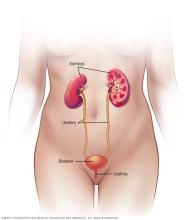
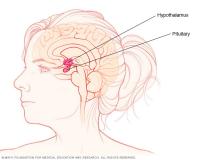
In diabetes insipidus, the body can't balance fluid levels. The cause depends on the type of diabetes insipidus, also called arginine vasopressin (AVP) deficiency or resistance.
How the kidneys work
The kidneys filter fluid in the blood to remove waste. The kidneys return most of that fluid to the bloodstream. The waste and a small amount of fluid leave the kidneys as urine. Urine leaves the body after it's briefly stored in the bladder.
The kidneys need a hormone called antidiuretic hormone (ADH) to put the filtered fluid back into the bloodstream. The hormone also is called arginine vasopressin (AVP).
ADH comes from a part of the brain called the hypothalamus. The pituitary gland, a small gland at the base of the brain, stores the ADH and lets it out when needed. ADH travels to the kidneys to help the kidneys keep more fluid in the blood and put less fluid in the urine.
Conditions that cause the brain to make too little ADH or that block the effect of ADH cause the body to make too much urine. Kidney conditions that change how the kidney responds to ADH also can cause too much urine.
Types of diabetes insipidus
Types of diabetes insipidus include:
-
Central diabetes insipidus. Damage to the pituitary gland or hypothalamus from surgery, a tumor, a head injury or an illness can cause central diabetes insipidus. That damage affects the making, storage and release of ADH. Central diabetes insipidus also is called arginine vasopressin (AVP) deficiency.
A condition passed down in families, called inherited, may cause central diabetes insipidus too. So can an autoimmune reaction that causes the body's immune system to damage by mistake the cells that make ADH.
- Nephrogenic diabetes insipidus. Also called arginine vasopressin (AVP) resistance, this happens when the kidneys can't respond to ADH. That issue may be due to a condition passed down in families, called inherited. Certain medicines, including lithium and antiviral medicines such as foscarnet (Foscavir), also can cause the condition. Low levels of potassium in the blood, called hypokalemia, also cause it. It can also be caused by high levels of calcium in the blood, called hypercalcemia. It can also be due to a blocked urinary tract or a urinary tract infection.
- Gestational diabetes insipidus. This rare form of diabetes insipidus happens only during pregnancy. It happens when the placenta makes an enzyme that destroys ADH. The placenta is the organ that grows during pregnancy to give oxygen and nutrients to an unborn baby, also called a fetus.
Sometimes, healthcare professionals can't find a clear cause of diabetes insipidus. Repeated testing over time may help find a cause.
Risk factors
Anyone can get diabetes insipidus, also called arginine vasopressin (AVP) deficiency or resistance. But those at higher risk include people who:
- Have a family history of the condition.
- Take certain medicines that could lead to kidney issues. Examples include water pills, also called diuretics.
- Have high levels of calcium or low levels of potassium in their blood.
- Have had a serious head injury, brain surgery or a brain tumor.
Complications
Dehydration
Diabetes insipidus, also called arginine vasopressin (AVP) deficiency or resistance, may lead to dehydration. That happens when the body loses too much fluid. Dehydration can cause:
- Dry mouth.
- Thirst.
- Extreme tiredness.
- Dizziness.
- Lightheadedness.
- Fainting.
- Upset stomach.
Electrolyte imbalance
Diabetes insipidus can change the levels of minerals in the blood that keep the body's fluids balanced. Those minerals, called electrolytes, include sodium and potassium. Symptoms of an electrolyte imbalance may include:
- Weakness.
- Upset stomach.
- Vomiting.
- Loss of appetite.
- Not thinking clearly.
Diagnosis
To diagnose diabetes insipidus, a healthcare professional asks you about your health history and does a physical exam. Tests used to diagnose diabetes insipidus, also called arginine vasopressin (AVP) deficiency or resistance, may include:
Water deprivation test. For this test, you stop drinking fluids for several hours. During the test, your healthcare professional measures changes in your body weight, how much urine your body makes, and the amount of sodium, potassium and other substances in your urine and blood. Your healthcare professional also may measure the amount of ADH in your blood.
During this test, you may get a lab-made form of ADH, as either a tablet or a nasal spray. That can help show whether your body is making enough ADH and whether your kidneys can respond as needed to ADH.
- Urine test. Testing urine to see whether it has too much water can help diagnose diabetes insipidus.
- Blood tests. Checking the levels of certain substances in the blood, such as sodium, can help with a diagnosis and may help tell the type of diabetes insipidus.
- MRI. An MRI can look for issues with the pituitary gland or hypothalamus. This imaging test uses a powerful magnetic field and radio waves to make detailed pictures of the brain.
- Genetic testing. If other people in your family have had issues with too much urination or have been diagnosed with diabetes insipidus, your healthcare professional may suggest genetic testing.
Treatment
If you have mild diabetes insipidus, drinking more water to keep from getting dehydrated may be all you need. For other types of diabetes insipidus, also called arginine vasopressin (AVP) deficiency or resistance, treatment most often depends on the type.
-
Central diabetes insipidus, also called AVP deficiency. If an issue in the pituitary gland or hypothalamus, such as a tumor, is the cause, the treatment first aims to treat the cause.
If you need other treatment, you may get a lab-made hormone called desmopressin (DDAVP). This medicine replaces the missing ADH and lessens the amount of urine the body makes. Desmopressin comes as a pill or nasal spray. If you're in a hospital, you may get it through a vein in your arm.
With central diabetes insipidus, it's likely that your body still makes some ADH. But the amount can change from day to day. That means the amount of desmopressin that you need also may change.
Taking more desmopressin than you need can cause your body to hold water. Sometimes, it may cause low sodium levels in the blood that can be serious. Talk with your healthcare professional about how and when to adjust the amount of desmopressin you take.
-
Nephrogenic diabetes insipidus, also called AVP resistance. Because the kidneys don't respond well to ADH in this form of diabetes insipidus, desmopressin won't help. Instead, your healthcare professional may tell you to drink plenty of fluid. You also may need to eat a low-salt, low-protein diet to lessen the amount of urine your kidneys make.
Treatment with hydrochlorothiazide (Microzide) may ease your symptoms. Hydrochlorothiazide is a diuretic, which causes the body to make more urine. But it can lessen urine output for some people with nephrogenic diabetes insipidus.
If your symptoms are due to medicines you take, stopping those medicines may help. But talk with your healthcare professional before you stop any medicine.
- Gestational diabetes insipidus. Treatment for gestational diabetes insipidus involves taking the lab-made hormone desmopressin.
Lifestyle and home remedies
If you have diabetes insipidus, also called arginine vasopressin (AVP) deficiency or resistance:
- Prevent water loss. If you take your medicine and can get enough drinking water, you may be able to prevent issues from water loss, called dehydration. Carry water with you everywhere. Keep a supply of medicine with you when you're away from home.
- Wear a medical alert bracelet or carry a medical alert card. If you have a medical emergency, the alert gives healthcare professionals information that helps you get the right care. If you're in an emergency room or a hospital, the alert tells your healthcare team to test your sodium levels often.
Preparing for an appointment
You're likely to first see your main healthcare professional, who may send you to a specialist who treats hormone issues, called an endocrinologist.
Here's some information to help you get ready for your appointment.
What you can do
When you make the appointment, ask if there's anything you need to do before you go. You may need to stop drinking water the night before the appointment. But do so only if your healthcare professional asks you to.
Take a family member or friend to the appointment if possible. Someone who goes with you can help you remember what your healthcare team tells you.
Make a list of:
- Your symptoms and when they began. Include any that don't seem linked to the reason for your appointment. Be ready to answer questions about how often you urinate and how much water you drink each day.
- Key personal information, including any major stresses or recent life changes.
- Key medical information, including recent surgeries, conditions for which you've recently been treated and recent head injuries.
- All vitamins, minerals and other supplements you take, including dosages.
- Questions to ask your healthcare professional.
For diabetes insipidus, some basic questions to ask include:
- What's the most likely cause of my symptoms?
- What tests do I need?
- Will I always have this condition?
- What treatments are there? Which do you suggest for me?
- How will we know whether my treatment is working?
- Will I need to make changes to my diet or lifestyle?
- Will I still need to drink a lot of water if I'm taking medicines?
- I have other health conditions. How can I best manage these conditions together?
- Are there brochures or other information I can take home? What websites do you suggest?
What to expect from your doctor
Your healthcare professional is likely to ask you questions, including:
- How much more are you urinating than usual?
- How much water do you drink each day?
- Do you get up at night to urinate and drink water?
- Are you pregnant?
- Have you had a recent head injury, or have you had brain surgery?
- Has anyone in your family been diagnosed with diabetes insipidus?
- What, if anything, makes your symptoms better or worse?
What you can do in the meantime
While you wait for your appointment, drink enough to ease your thirst. Don't do anything that might cause water loss. This includes exercise, hard physical work or spending time in the heat.
© 1998-2026 Mayo Foundation for Medical Education and Research(MFMER). All rights reserved. Terms of Use