
Embolic stroke (brain embolism)
Conditions
Overview
Embolic stroke is a type of ischemic stroke, which is a stroke that happens when blood flow to part of the brain is blocked. In embolic stroke, the blockage is caused by material that forms somewhere else in the body, travels in the bloodstream and then blocks an artery in the brain. This traveling material is called an embolus. A brain embolism, also called a cerebral embolism, refers to this kind of blockage.
Embolic stroke is different from thrombotic stroke. In embolic stroke, a clot or other material forms somewhere other than the blocked brain artery and then travels to it. In thrombotic stroke, a clot forms in the blood vessel at the site of the blockage itself. It does not travel.
Healthcare professionals also may use the term cardioembolic stroke. This means the embolus came from the heart. Common heart-related sources include atrial fibrillation and blood clots in the heart.
Some ischemic strokes are called cryptogenic strokes because the cause is still not found after the usual evaluation. A related term is embolic stroke of undetermined source, also called ESUS. This means the stroke pattern suggests an embolic cause, but initial testing does not show a major narrowed artery or a clear high-risk heart source.
Embolic stroke is serious. It can cause disability and can be deadly. Early recognition of stroke symptoms and fast treatment improve the chances of survival and may reduce complications.
Symptoms
If you or someone you're with may be having an embolic stroke, pay close attention to when the symptoms began, or when the person was last known to be well. Some treatments work best when given as soon as possible after stroke symptoms start.
Symptoms of an embolic stroke are similar to other types of stroke. Symptoms usually begin suddenly. They can include:
- Trouble speaking and understanding what others are saying. A person having a stroke may be confused, slur words or may not be able to understand speech.
- Numbness, weakness or paralysis in the face, arm or leg. This often affects just one side of the body. The person can try to raise both arms over the head. If one arm begins to fall, it may be a sign of a stroke. Also, one side of the mouth may droop when trying to smile.
- Problems seeing in one or both eyes. The person may suddenly have blurred or blackened vision in one or both eyes. Or the person may see double.
- Headache. A sudden, severe headache may be a symptom of a stroke. Vomiting, dizziness and a change in consciousness may occur with the headache.
- Trouble walking. Someone having a stroke may stumble or lose balance or coordination.
Can you catch a brain embolism early?
Usually embolic strokes happen very quickly. Occasionally symptoms may develop over hours. Sometimes strokelike symptoms last only a short time and then go away. This can be a transient ischemic attack, also called a TIA. A TIA is a brief blockage of blood flow to the brain.
Both embolic stroke and TIAs are medical emergencies. A TIA can be a warning sign of stroke. Getting evaluated quickly may help you lower the risk of a stroke. And if you're already having a stroke, getting treatment quickly may help prevent brain damage and other complications.
When to seek emergency care
Get emergency help right away if you notice possible stroke symptoms, even if they go away.
Think "FAST" and do the following:
- Face — Ask the person to smile. Does one side of the face droop?
- Arms — Ask the person to raise both arms. Does one arm drift down? Or is one not able to rise?
- Speech — Ask the person to repeat a simple sentence. Is speech slurred or different than usual?
- Time — Call 911 or emergency medical help right away if you see any of these signs.
Causes
Embolic stroke happens when a blood clot or other material forms an embolus that travels through the bloodstream and blocks an artery in the brain. Clots often come from the heart. This is called cardioembolic stroke. Clots also can come from the aorta or another blood vessel. Less common types of emboli include fat and air.
Blood clots
Conditions that cause blood clots can lead to embolic stroke. Examples include:
- Atrial fibrillation (AF). This irregular heart rhythm is a common cause of cardioembolic stroke, where the clot travels from the heart to the brain.
- Other heart conditions. Cardioembolic stroke also can be caused by other heart conditions that cause clots. These include recent heart attack, endocarditis caused by an infection, valve disease, clots in the heart, mechanical heart valves and some heart tumors.
- Atherosclerosis, a buildup of plaque on artery walls. Plaques made of fats, cholesterol and other substances can build up in large arteries. These plaques can cause a clot to form. Or material can break off from the plaques and travel to the brain.
- Blood-clotting conditions. These include conditions such as antiphospholipid syndrome, factor V Leiden and hyperhomocysteinemia.
- Anatomy. When born, babies have a small opening in the heart that usually closes after birth. That opening is called a patent foramen ovale (PFO). In some people, the PFO does not close as usual. When this happens, it makes it possible for a clot in a vein to pass from the right side of the heart to the left side of the heart. From there, the clot can enter an artery that sends blood to the brain. When this is the cause, the embolism is called a paradoxical embolism.
- Infections. Sometimes infections can cause blood clots. Examples include COVID-19 and sepsis.
Other types of emboli
Though less common, other materials also can cause embolic stroke. These include:
- Fat embolism. This happens when fat droplets enter the bloodstream and travel to the brain. This can happen with some bone fractures, orthopedic procedures or when there's severe trauma to large fat deposits.
- Air embolism. This happens when air enters the bloodstream and travels to the brain. This is usually a complication of a medical procedure, such as a cardiopulmonary bypass, central venous catheter removal or cardiac catheterization.
When the cause cannot be found
You may hear certain terms if the stroke looks to be caused by an embolism but the source cannot be found. These terms include:
- Cryptogenic stroke. This is a broad term for any ischemic stroke where the cause is not known even after the usual testing.
- Embolic stroke of undetermined source (ESUS). This is a type of cryptogenic stroke. It means an embolism is suspected as the cause, but the cause of the embolism can't be identified after standard testing. You might sometimes hear this called a cryptogenic embolism or cryptogenic emboli.
Risk factors
Many factors can increase the risk of embolic stroke. Potentially treatable stroke risk factors include:
Lifestyle risk factors
- Being overweight or obese.
- Physical inactivity.
- Cigarette smoking or secondhand smoke exposure.
- Heavy or binge drinking.
- Use of illegal drugs such as cocaine.
Medical risk factors
- Atrial fibrillation and other heart conditions that can cause clots. Examples include heart failure, recent heart attack, endocarditis caused by an infection, valve disease, prosthetic heart valves and some heart tumors.
- High cholesterol and atherosclerosis.
- Diabetes.
- High blood pressure.
- Sleep apnea.
- Personal history of stroke or TIA.
- COVID-19 infection.
There also are some risk factors for stroke that you can't change. For example, age is another risk factor. Older people have a higher risk of stroke than do younger people.
Complications
Complications of embolic stroke can be temporary or permanent. They depend on how long the brain goes without blood flow and which part of the brain is affected.
Possible complications include:
- Loss of muscle movement, known as paralysis. You may lose movement or muscle control on one side of the body or in part of the face, arm or leg.
- Trouble talking or swallowing. A stroke might affect the muscles in the mouth and throat. This can make it hard to talk clearly, swallow or eat. You also may have trouble with language, including speaking or understanding speech, reading or writing.
- Memory and thinking problems. Some people have trouble with memory, reasoning, judgment or understanding.
- Emotional and mood changes. Stroke can make it harder to control emotions. Depression also can happen after stroke.
- Pneumonia and other medical concerns during recovery. Trouble swallowing can raise the risk of inhaling food or liquid into the lungs. This is called aspiration and can lead to pneumonia. Other complications during recovery can include trouble breathing. This can happen as a result of aspiration or when the stroke directly affects the parts of the brain that control breathing. Skin breakdown and pressure sores also can happen if the stroke affects the ability to move and be mobile.
- Another stroke. Another stroke can happen after an embolic stroke.
Some people recover well after stroke. Others may have lasting disability or need help with daily activities.
Prevention
You cannot prevent every embolic stroke. But you may be able to lower your risk by managing or treating common causes of embolism. If you've already had an embolic stroke or a TIA, these measures also might be recommended to help prevent another stroke.
Manage conditions that increase risk
- High blood pressure. Lowering blood pressure is one of the most important ways to reduce stroke risk. Healthy lifestyle changes and medicines often are used to treat high blood pressure.
- Diabetes. Diet, exercise and maintaining a healthy weight can help you keep your blood sugar in a healthy range. This is part of lowering the risk of stroke. If lifestyle factors aren't enough to manage blood sugar, you may be prescribed diabetes medicine.
- High cholesterol and atherosclerosis. Lifestyle changes and medicines, such as statins, can help manage cholesterol. They also can help reduce the buildup of plaques in the arteries called atherosclerosis. Sometimes, atherosclerosis may need treatment with surgery or other procedures on the heart or blood vessels.
- Obstructive sleep apnea (OSA). OSA is a sleep disorder that causes you to stop breathing for short periods several times during sleep. Your healthcare professional may recommend a sleep study if you have symptoms of OSA. Treatment includes a device that delivers positive airway pressure through a mask to keep the airway open while you sleep.
Maintain a healthy lifestyle
- Lower the amount of cholesterol and saturated fat in your diet. Eating less cholesterol and fat, especially saturated fats and trans fats, may reduce buildup in the arteries. If you can't control your cholesterol through dietary changes alone, you may need a cholesterol-lowering medicine.
- Quit tobacco use. Smoking and secondhand smoke raise stroke risk. Quitting lowers your risk of stroke.
- Exercise regularly. Aerobic exercise can help lower stroke risk. It can lower blood pressure, increase the levels of good cholesterol, and improve the overall health of the blood vessels and heart. It also helps you lose weight, control diabetes and reduce stress. Gradually work up to at least 30 minutes of moderate physical activity on most or all days of the week. The American Heart association recommends getting 150 minutes of moderate-intensity aerobic activity or 75 minutes of vigorous aerobic activity a week. Moderate intensity activities can include walking, jogging, swimming and bicycling.
- Maintain a healthy weight. Being overweight raises stroke risk and can worsen other risk factors, such as high blood pressure, cardiovascular disease and diabetes.
- Eat a diet rich in fruits and vegetables. Eating five or more servings of fruits or vegetables every day may reduce the risk of stroke. The Mediterranean diet, which emphasizes olive oil, fruit, nuts, vegetables and whole grains, may be helpful.
- Drink alcohol in moderation, if at all. Large amounts of alcohol increase the risk of high blood pressure and ischemic strokes. Alcohol also may interact with other medicines. But small to moderate amounts of alcohol may help prevent ischemic stroke and decrease the blood's clotting tendency. A small to moderate amount is about one drink a day. Talk to your healthcare professional about what's appropriate for you.
- Do not use illicit drugs. Certain illicit drugs such as cocaine are risk factors for a TIA or a stroke.
Medicines that can help prevent stroke
-
Antiplatelet medicines. Platelets are cells in the blood that form clots. Antiplatelet medicines make these cells less sticky and less likely to clot. A commonly used antiplatelet medicine is aspirin. Your healthcare professional can recommend the right dose of aspirin for you.
If you've had a TIA or minor stroke, you may take both an aspirin and an antiplatelet medicine such as clopidogrel (Plavix). These medicines may be prescribed for a period of time to reduce the risk of another stroke. If you can't take aspirin, you may be prescribed clopidogrel alone. Ticagrelor (Brilinta) is another antiplatelet medicine that can be used for stroke prevention.
-
Blooding-thinning medicines, known as anticoagulants. These medicines reduce blood clotting. They often are used to help prevent a first stroke or another stroke when there's a clotting risk related to the heart, such as with atrial fibrillation.
Slower acting warfarin (Jantoven) may be used longer term, for example to reduce the risk of clots from a mechanical heart valve. Warfarin is a powerful blood-thinning medicine, so you need to take it exactly as directed and watch for side effects. You also need regular blood tests to monitor warfarin's effects. Because of the increased risk of bleeding and the need for monitoring, many choose newer blood-thinning medicines.
Several newer blood-thinning medicines are available to prevent strokes in people who have a high risk. These medicines include dabigatran (Pradaxa), rivaroxaban (Xarelto), apixaban (Eliquis) and edoxaban (Savaysa). They work faster than warfarin and usually don't require regular blood tests or monitoring by your healthcare professional. These medicines also are associated with a lower risk of bleeding complications compared with warfarin.
Diagnosis
If healthcare professionals think you may be having a stroke, things move quickly once you get to the hospital. The first goal is to find out what type of stroke you're having. Health professionals also need to rule out other possible causes of your symptoms, such as a brain tumor or drug reaction.
Tests used to diagnose embolic stroke may include:
- A physical exam and blood tests. A health professional asks about when symptoms started and does several tests. These may include listening to your heart and checking your blood pressure. A neurological exam looks at how a potential stroke is affecting your nervous system. You also may need tests to check how fast your blood clots and whether your blood sugar is too high or low. And you may be tested to see if you have an infection.
- Computerized tomography (CT). A CT scan uses a series of X-rays to create a detailed image of your brain. A CT scan can show bleeding in the brain, an ischemic stroke, a tumor or other conditions. You might have a contrast substance injected into your bloodstream to view the blood vessels in the neck and brain in more detail. This type of test is called a computerized tomography angiography. A test called a CT perfusion scan measures blood flow in the brain.
- Magnetic resonance imaging (MRI). An MRI uses powerful radio waves and a magnetic field to create a detailed view of the brain. The test can detect brain tissue damaged by an ischemic stroke. Sometimes a contrast substance is injected into a blood vessel to view the arteries and veins and highlight blood flow. This test is called magnetic resonance angiography or magnetic resonance venography. A test called a perfusion MRI measures blood flow in the brain.
- Carotid ultrasound. In this test, sound waves create detailed images of the inside of the carotid arteries in the neck. A carotid ultrasound can show buildup of fatty deposits called plaques and blood flow in the carotid arteries.
- Cerebral angiogram. This test is less common, but it provides a detailed view of arteries in the brain and neck. A thin, flexible tube called a catheter is inserted through a small incision, usually in the groin. The tube is guided through the major arteries and into the carotid or vertebral artery in the neck. Then a dye is injected into the blood vessels to make the arteries visible under X-ray imaging.
- Echocardiogram. An echocardiogram uses sound waves to create detailed images of the heart. An echocardiogram can find a source of clots in the heart that may have traveled to the brain and caused a stroke.
- Heart rhythm monitoring. An electrocardiogram (ECG or EKG) can help find atrial fibrillation or another heart rhythm condition that may have caused an embolus. Some people may need longer heart rhythm monitoring after the first evaluation, for example, if the stroke looks embolic but the cause is still not clear. This may include wearing a Holter monitor or an external loop recorder or other device. Or a device, such as an implantable loop recorder, may be implanted under the skin during a minor surgical procedure.
Embolic stroke of undetermined source
Sometimes testing suggests that a stroke was caused by an embolus, but the source is still not clear. You may hear a diagnosis of embolic stroke of undetermined source, also called ESUS.
For a stroke to be identified as ESUS, health professionals must use brain and blood vessel imaging and heart testing to:
- Rule out a small deep type of stroke linked to small blood vessels in the brain.
- Rule out major heart conditions that can cause embolism.
- Find that the artery that supplies the affected brain area has not narrowed by 50% or more.
You also may hear the term cryptogenic stroke. This is a broad term for any ischemic stroke where the cause is not known even after the usual testing.
Treatment
Treatment for embolic stroke needs to happen right away to reduce the chance of brain damage and other complications. The first goal is to restore blood flow to the brain as quickly as possible. This may be done with:
-
Emergency clot busting IV medicine. An IV medicine that can break up a clot has to be given within 4.5 hours from when symptoms began or from when a person was last known to be well. The sooner the medicine is given, the better. Quick treatment improves your chances of survival and may reduce complications.
An IV injection of recombinant tissue plasminogen activator (TPA) is the gold standard treatment for ischemic stroke. An injection of TPA is usually given through a vein in the arm within the first 4.5 hours after stroke symptoms started.
This medicine restores blood flow by dissolving the blood clot causing the stroke. By quickly removing the cause of the stroke, it may help people recover more fully from a stroke. Your healthcare professional considers certain risks, such as potential bleeding in the brain, to decide whether TPA is part of your treatment plan.
-
Removing the clot with a stent retriever, also called mechanical thrombectomy. A device attached to a catheter can directly remove the clot from the blocked blood vessel in the brain. This procedure is especially helpful for people with large clots that can't be completely dissolved with TPA. This procedure often is performed in combination with injected TPA. This procedure may help improve outcomes and reduce long-term disability. It should be done as soon as possible. In some people, it may be used up to 24 hours after the person was last known to be well.
The time window when these procedures can be considered has been expanding due to newer imaging technology. Perfusion imaging tests done with CT or MRI help decide if someone may benefit from thrombectomy. In some people, it may be used up to 24 hours after the person was last known to be well.
Other treatments
Your health professionals may suggest other treatments depending on the cause of the embolic stroke. These treatments may help lower the risk of having another stroke.
- Carotid endarterectomy. Carotid arteries are the blood vessels that run along each side of the neck, supplying the brain with blood. This surgery removes the plaque blocking a carotid artery and may reduce the risk of another stroke. A carotid endarterectomy also involves risks, especially for people with heart disease or other medical conditions.
- Angioplasty and stents. In an angioplasty, a surgeon threads a catheter to the carotid arteries through an artery in the groin. A balloon is then inflated to expand the narrowed artery. Then a stent can be inserted to support the opened artery.
- Medicines and lifestyle changes that help prevent stroke. After the emergency phase, medicines and lifestyle changes to prevent another stroke may be recommended. These can differ depending on what led to the embolic stroke. Some people need antiplatelet or anticoagulant medicines and lifestyle changes that help reduce the risk of clots. Others may need medicines and lifestyle changes to manage conditions, such as high blood pressure, that raise stroke risk.
- Left atrial appendage closure. This procedure may be an option for some people with atrial fibrillation who can't take blood thinners due to bleeding risks. The procedure closes a small sac in the left upper heart chamber. This sac is called an appendage and is where most clots related to atrial fibrillation form. During the procedure a doctor gently guides a closure device through a catheter to the sac. Once the device is in place, the catheter is taken out. The device stays in permanently.
- Patent foramen ovale (PFO) closure. If you have an opening in the heart called a PFO and have had a stroke suspected to be caused by it, you may need a procedure to close the hole. The procedure may be done by inserting a plug into the hole through a thin, flexible tube inserted into the groin and guided to the heart. Or it may be closed with stitches during surgery done through a small incision, sometimes using robotic techniques. PFOs are common. So in most people with a PFO and a stroke, another cause of the stroke is found. Those people do not need the PFO closed.
For fat embolism, treatment is mainly to reduce symptoms and offer supportive care, such as managing blood pressure or using a ventilator to help with breathing.
For air embolism, treatment often includes short-term high-flow oxygen and hyperbaric oxygen therapy. These treatments may improve outcomes if given early after the air embolism.
Stroke recovery and rehabilitation
After emergency treatment, you're closely monitored for at least a day. After that, stroke care focuses on helping you recover as much function as possible and to return to independent living. The impact of the stroke depends on the area of the brain involved and the amount of tissue damaged.
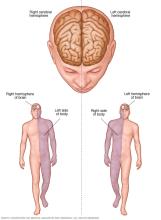
If the stroke affected the right side of the brain, movement and feeling on the left side of your body may be affected. If the stroke damaged the left side of the brain, movement and feeling on the right side of your body may be affected. Brain damage to the left side of the brain also may cause speech and language disorders.
Most people who have had a stroke and have remaining symptoms go to a rehabilitation program. Your healthcare professional can recommend the therapy program that is right for you. A program is recommended based on your age, overall health and degree of disability from the stroke. Your lifestyle, interests, priorities and whether you have help from family members or caregivers are considered.
Rehabilitation may begin before you leave the hospital. After discharge, you might continue the program in a rehabilitation unit of the same hospital. Or you may go to another rehabilitation unit or to a skilled nursing facility as an outpatient. You also might have rehabilitation at home.
Every person's stroke recovery is different. Depending on your condition, your treatment team may include a doctor trained in brain conditions, known as a neurologist, a rehabilitation doctor, known as a physiatrist, a rehabilitation nurse, a dietitian, a physical therapist, an occupational therapist, a recreational therapist, a speech pathologist, a social worker or case manager, a psychologist or psychiatrist, or a chaplain.
Embolic stroke is serious. It can cause disability and can be deadly. Quick treatment improves the chances of survival and may reduce complications. After embolic stroke, some people recover well. Others have lasting disability or need help with daily activities. Recovery depends on a number of factors, including:
- How much of the brain was affected.
- Which part of the brain was affected.
- How quickly treatment began.
Brain damage from an embolic stroke cannot always be fully reversed. Recovery is possible, and some people regain meaningful function. But many do not return to full independence. About half of those who survive more than six months after a stroke need help with at least one daily living activity.
The risk of another embolic stroke is an important part of prognosis. Some causes of embolic stroke carry a higher risk of another stroke than do others. For example, major heart-related embolic sources are linked with a high risk of recurrence.
Ongoing care after embolic stroke is important because treatment and risk reduction can help lower the chance of another stroke and may improve long-term outlook.
Coping and support
An embolic stroke is a life-changing event that can affect your emotional well-being as much as your physical function. Some people may feel frustrated, depressed or notice mood changes. Some people may have less interest in sex after an embolic stroke.
Maintaining your self-esteem, connections to others and interest in the world are essential parts of your recovery. Several strategies may help you and your caregivers, including:
- Don't be hard on yourself. Physical and emotional recovery involves tough work and takes time. Celebrate your progress. Allow time for rest.
- Join a support group. Meeting with others recovering from a stroke lets you get out and share experiences. You also can exchange information and build new friendships.
- Let friends and family know what you need. People may want to help, but they may not know what to do. Tell them how they can help. For example, ask them to bring over a meal and stay to eat with you and talk. Or ask them to attend social events or religious activities with you.
Communication challenges
If the embolic stroke affected speech and language, these tips may help you and your caregivers cope.
- Practice. Try to have a conversation at least once a day. It can help you learn what works best for you. It also can help you feel connected and rebuild your confidence.
- Relax and take your time. Talking may be easiest and most enjoyable in a relaxing situation when you're not rushed. Some people who have had a stroke find that after dinner is a good time for conversation.
- Say it your way. When you're recovering from a stroke, you may need to use fewer words. Rely on gestures or use your tone of voice to communicate.
- Use props and communication aids. You may find it helpful to use cue cards to communicate. Cue cards can include words used often. Or they can include pictures of close friends and family members, a favorite television show, the bathroom, or other wants and needs.
Preparing for an appointment
A stroke in progress is usually diagnosed in a hospital. If you're having a stroke, your immediate care focuses on reducing brain damage. If you haven't had a stroke but you're worried about your risk, talk to your healthcare professional at your next appointment.
What to expect from your doctor
In the emergency room, you may see an emergency medicine specialist or a doctor trained in brain conditions, known as a neurologist. Nurses and medical technicians also are likely to be involved in your care.
Your emergency team's first priority is to stabilize your symptoms and overall medical condition. Then the team decides whether you're having a stroke. Healthcare professionals try to find the cause of the stroke to choose a treatment plan for you.
If you're seeking medical advice during a scheduled appointment, your healthcare professional considers your risk factors for stroke and heart disease. Your health professional can offer advice on how to lower your risk. This may include lifestyle strategies, stopping smoking or not using illicit drugs. Your healthcare professional also may consider if you need medicines to control high blood pressure, cholesterol and other stroke risk factors.
© 1998-2026 Mayo Foundation for Medical Education and Research(MFMER). All rights reserved. Terms of Use