
End-stage kidney disease
Conditions
Overview
End-stage kidney disease happens when the kidneys no longer work well enough to meet the body's needs. End-stage kidney disease is the most advanced stage of chronic kidney disease. It is sometimes called end-stage renal disease or kidney failure.
Kidneys filter waste and excess fluid from the blood and release it in urine. In chronic kidney disease, the kidneys slowly stop working the way they're supposed to. Because of this, excess fluid and waste can build up in the body. When the problem advances to end-stage kidney disease, the buildup can be dangerous.
People with end-stage kidney disease need dialysis or a kidney transplant to stay alive. Some people may opt for conservative care to manage the symptoms. With conservative care, the goal is to achieve the best quality of life in the time that remains.
Symptoms
In early stages of kidney disease, you might have no signs or symptoms. As kidney disease gets worse, symptoms may become more clear.
End-stage kidney disease symptoms might include:
- Vomiting or upset stomach.
- Loss of appetite.
- Feeling tired and weak.
- Changes in how much you urinate.
- Chest pain, if fluid builds up around the lining of the heart.
- Shortness of breath, if fluid builds up in the lungs.
- Swelling of feet and ankles.
- High blood pressure that's hard to control.
- Trouble sleeping.
- Reduced mental sharpness.
- Muscle twitches and cramps.
- Constant itching.
Symptoms of kidney disease often are vague. Because the kidneys can make up for lost function, symptoms might not show up until you have kidney damage that can't be reversed.
When to seek care
Make an appointment with a doctor or other healthcare professional if you have symptoms of kidney disease. Catching kidney disease early might keep it from turning into kidney failure.
If you have a medical condition that raises your risk of kidney disease, your healthcare team may want to keep an eye on your kidney function. This may include urine and blood tests and blood pressure checks to see how well the kidneys are working. Ask your doctor or other healthcare professional if this type of monitoring is right for you.
Causes
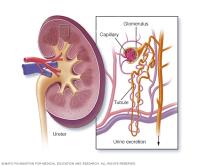
Kidney disease happens over time. Often, there's a disease or condition that hurts kidney function, causing kidney damage to worsen over several months or years. Sometimes, kidney damage keeps getting worse even after the underlying cause has been treated.
Causes of kidney disease include:
- Type 1 or type 2 diabetes.
- High blood pressure.
- Some autoimmune diseases, such as lupus, sarcoidosis and Sjogren syndrome.
- Polycystic kidney disease or other inherited kidney diseases.
- Prolonged blockage, called an obstruction, of the urinary tract due to conditions such as enlarged prostate or urinary tract tumors.
- Vesicoureteral (ves-ih-koe-yoo-REE-tur-ul) reflux, a condition that causes urine to go backward up into the kidneys.
- Certain medicines, such as lithium and large doses of ibuprofen or other nonsteroidal anti-inflammatory drugs.
Risk factors
Risk factors for end-stage kidney disease include:
- Diabetes.
- High blood pressure.
- Heart disease.
- Polycystic kidney disease.
- Smoking.
- Being overweight.
- Being Black, Native American or Asian American.
- Family history of kidney disease.
- Changes or issues with the shape or size of the kidneys.
- Older age.
- Frequent use of medicines that can damage the kidneys.
These factors may play a part in chronic kidney disease advancing to end-stage kidney disease.
Complications
Once kidney damage happens, it can't be reversed. Potential complications of end-stage kidney disease can affect almost any part of the body and include:
- High blood pressure. Since the kidneys don't work as well to remove extra salt and water from the body, blood pressure starts to rise. High blood pressure can lead to more kidney damage, which in turn raises blood pressure even more.
- Acid buildup. Also called acidosis, acid buildup happens when the kidney can't remove extra acids. These may be acids the body makes or that you take in with the foods you eat. This can lead to issues with bone health and protein breakdown.
- Fluid retention. This could lead to leg swelling, high blood pressure or fluid in the lungs. Also called pulmonary edema, fluid in the lungs causes shortness of breath. Fluid retention usually happens in later stages of kidney disease. A sudden increase in body weight might be a sign of fluid retention.
- High blood potassium levels. Also called hyperkalemia, high blood potassium may happen suddenly. It usually happens in the later stages of kidney disease. It may damage the heart and be life-threatening.
- Anemia. This happens when there aren't enough healthy red blood cells to carry oxygen to the body's tissues.
- Heart disease. With advanced kidney disease, blood vessels called arteries can become stiff and get clogged. This makes blood pressure go up and could lead to heart disease.
- Bone weakness. Weak bones and a higher risk of bone fractures can happen.
- Sexual health conditions. Lower sex drive, erectile dysfunction or reduced fertility can happen.
- Damage to the central nervous system. This could lead to trouble concentrating or personality changes. This complication usually happens in the very last stages of kidney disease.
- Immune system changes. You may have a lowered immune response, which puts you at risk of infection.
- Pericarditis. This inflammation of the membrane that covers the heart can happen in people with advanced kidney disease.
- Pregnancy complications. Both you and your unborn baby may be at risk.
Prevention
If you have kidney disease, you may be able to slow its progress by making healthy lifestyle choices:
- Achieve and keep a healthy weight.
- Be active most days.
- Eat a balanced diet of nutritious, low-sodium foods. Limit how much protein you have.
- Control high blood pressure.
- Take your medicines as prescribed.
- Have your cholesterol levels checked every year.
- Control your blood sugar level if you have diabetes.
- Don't smoke or use tobacco products.
- Get regular checkups.
Diagnosis
To diagnose end-stage kidney disease, your doctor or other healthcare professional may talk with you about your medical history and ask about your family's medical history. You may have a physical exam and neurological exam. Other tests to diagnose kidney disease might include:
- Blood tests. Kidney function tests look for the level of waste products in the blood. Waste products include creatinine and urea.
- Urine tests. Checking a sample of urine can reveal signs of chronic kidney disease. Urine tests also could provide clues about what's causing kidney disease.
- Imaging tests. A healthcare professional might use ultrasound to view the kidneys. Ultrasound can show the structure and size of the kidneys. Other imaging tests might be used in some cases, such as an MRI or CT scan.
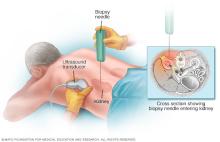
- Removing a sample of kidney tissue for testing. A healthcare professional might recommend a kidney biopsy. This procedure removes a sample of kidney tissue for testing in a lab. During a kidney biopsy, a long, thin needle is inserted through the skin and into a kidney. The biopsy sample is sent to a lab for testing. In the lab, tests can help reveal what's causing a kidney problem.
Results from these tests help your healthcare team create a treatment plan for you. Certain tests might be repeated over time to help track changes in your condition.
Stages of kidney disease
There are five stages of kidney disease. To learn what stage you have, a healthcare professional performs a blood test to get an estimate of how well your kidneys are working. The test is called the estimated glomerular filtration rate (eGFR). It measures how much blood the kidneys filter each minute. The results are recorded as milliliters per minute (mL/min). A low eGFR score means reduced kidney function, especially if the value is below 60 mL/min.
When your kidneys fail and no longer work well enough to keep you alive, you have end-stage kidney disease. End-stage kidney disease happens when eGFR is consistently less than 15 mL/min.
As a part of learning your kidney disease stage, a healthcare professional also might test whether you have protein in your urine. Constant loss of protein in the urine is also a sign of kidney damage, even if your kidney function and eGFR are in the healthy to mild range.
| Kidney disease stage | GFR, mL/min | Kidney function | |
|---|---|---|---|
| Source: National Kidney Foundation | |||
| Stage 1 | 90 or above | Healthy kidney function | |
| Stage 2 | 60 to 89 | Mild loss of kidney function | |
| Stage 3a | 45 to 59 | Mild to moderate loss of kidney function | |
| Stage 3b | 30 to 44 | Moderate to severe loss of kidney function | |
| Stage 4 | 15 to 29 | Severe loss of kidney function | |
| Stage 5 | Less than 15 | Kidney failure | |
Treatment
End-stage kidney disease treatments include:
- Kidney transplant.
- Dialysis.
- Supportive care, also called palliative care.
Kidney transplant
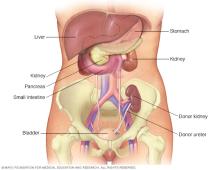
A kidney transplant is a surgical procedure. A healthy kidney from a donor is placed into a person whose kidneys no longer work well. A kidney transplant often is the treatment of choice for end-stage kidney disease. Without a transplant, lifetime dialysis is needed.
The kidney transplant process takes time. It involves finding a donor, living or deceased, whose kidney best matches your own. You then have surgery. During surgery, the new kidney is placed in your lower belly. To allow the new kidney to function, a surgeon attaches the kidney's blood vessels and the tube that links the kidney to the bladder. This tube is called the ureter.
You may need to spend up to a week in the hospital. After leaving the hospital, you likely will have regular checkups to review your progress as you recover. You may take a number of medicines to help keep your immune system from rejecting the new kidney. These medicines also can lower the risk of complications after surgery, such as infection.
After a successful kidney transplant, the new kidney filters the blood. You no longer need dialysis.
Dialysis
Dialysis does some of the work of your kidneys when your kidneys can't do it themselves. This includes removing extra fluids and waste products from your blood, restoring electrolyte levels, and helping control your blood pressure.
Dialysis options include peritoneal dialysis and hemodialysis.
For dialysis to be successful, lifestyle changes may be needed. For instance, you need to follow a certain diet.
Palliative care
If you choose not to have a kidney transplant or dialysis, you can choose supportive care, also called palliative care. This can help you manage your symptoms so that you feel better. You also can combine palliative care with kidney transplant or dialysis.
Without either dialysis or a transplant, end-stage kidney disease gets worse. Death could happen quickly or take several months, even years. Palliative care might include treating symptoms, measures to keep you comfortable and end-of-life planning.
Lifestyle and home remedies
Following a special diet is an important part of kidney disease treatment. This includes finding ways to lower how much sodium you take in. Careful choices about what you eat and drink can limit how hard the kidneys have to work. Ask for a referral to a registered dietitian who specializes in working with people who have kidney disease, called a renal dietitian. A renal dietitian can study your diet and suggest food and drink choices you can make to help your kidneys work less hard.
For example, a renal dietitian might work with you to:
- Avoid products with added salt. Lower the amount of sodium you eat by staying away from salty snack foods and other foods with added salt. These include many ready-made foods, such as frozen dinners and canned soups and vegetables. Processed meats and cheeses also tend to be high in salt.
- Choose foods lower in potassium. Your dietitian might suggest that you choose lower potassium foods at each meal. High-potassium foods include bananas, oranges, potatoes, spinach and tomatoes. Examples of low-potassium foods include apples, cabbage, carrots, green beans, grapes and strawberries. Many salt substitutes have potassium, so you may want to avoid them if you have kidney failure.
- Limit protein. Your dietitian can estimate how many grams of protein you need each day. Based on that amount, your dietitian can make suggestions on what to eat. High-protein foods include lean meats, eggs, milk, cheese and beans. Low-protein foods include vegetables, fruits, breads and cereals.
Coping and support
Learning that you have end-stage kidney disease can come as a shock, even if you've been living with chronic kidney disease for some time. It also can be hard to manage the treatment schedule if you're on dialysis.
If you're feeling overwhelmed by your diagnosis, it might help to:
- Connect with other people who have kidney disease. People who are going through the same thing as you can understand what you're feeling. They also can offer unique support. Ask your doctor or other healthcare professional about support groups in your area. Or contact the American Association of Kidney Patients, the National Kidney Foundation or the American Kidney Fund. These organizations can help connect you with groups in your area.
- Stick to your routine as much as possible. Try to keep doing the things you enjoy. Continue working if your condition allows.
- Be active most days of the week. If your healthcare team says it's OK, keep up your activity level. Aim for at least 30 minutes of physical activity most days of the week. This can help with fatigue and stress.
- Talk with someone you trust. You might have a friend or family member who is a good listener. Or you may find it helpful to talk with a faith leader or someone else you trust. Ask your doctor or other healthcare professional for a referral to a social worker or counselor.
Preparing for an appointment
For end-stage kidney disease, you'll likely keep seeing the same healthcare team you've been seeing for treatment of chronic kidney disease. If you're not already being cared for by a nephrologist, you might be referred to one. A nephrologist is a doctor who specializes in kidney conditions.
What you can do
Before your appointment, it's a good idea to:
- Be aware of any restrictions. When you make the appointment, ask if there's anything you need to do in advance, such as change your diet, so that you're ready for any tests you may need.
- Write down any symptoms you have, including any that may seem unrelated to your kidneys or urinary function, and when they started.
- Write down key personal information, including any major stresses or recent life changes.
- Make a list of all medicines, vitamins or supplements you take and how much you take.
- Consider bringing a family member or friend along. It can be hard to remember all the information you get during an appointment. Someone who comes with you may remember things that you missed or forgot.
- Write down questions to ask your healthcare team.
For end-stage kidney disease, some basic questions to ask include:
- What's the level of damage to my kidneys?
- Is my kidney function getting worse?
- Do I need more tests?
- What's causing my condition?
- What are my treatment options?
- What are the possible side effects of each treatment?
- I have these other health conditions. How can I best manage them together?
- Do I need to eat a special diet?
- Can you refer me to a dietitian who can help me plan my meals?
- How often do I need to have my kidney function tested?
- Where can I find more information?
Don't hesitate to ask any other questions you have.
What to expect from your doctor
Your doctor or other healthcare professional may ask you questions, such as:
- How have your symptoms changed over time?
- Have you noticed changes in your urinary habits?
- Have you felt a lot more tired lately?
- Have you been diagnosed or treated for high blood pressure?
© 1998-2026 Mayo Foundation for Medical Education and Research(MFMER). All rights reserved. Terms of Use