
Heart failure
Conditions
Overview
Heart failure occurs when the heart muscle doesn't pump blood as well as it should. When this happens, blood often backs up and fluid can build up in the lungs, causing shortness of breath.
Some heart conditions cause the heart to become too weak or stiff to fill and pump blood properly. These conditions include narrowed arteries in the heart and high blood pressure.
Proper treatment may improve the symptoms of heart failure and may help some people live longer. Lifestyle changes can improve quality of life. Try to lose weight, exercise, use less salt and manage stress.
But heart failure can be life-threatening. People with heart failure may have severe symptoms. Some may need a heart transplant or a device to help the heart pump blood.
Heart failure also may be called congestive heart failure. The term "congestive" refers to fluid buildup in the lungs or other parts of the body. You also may see the term "cardiac failure" used to mean heart failure.
In the United States, congestive heart failure is a common condition.
Heart failure care at Mayo Clinic
Types
Healthcare professionals may describe congestive heart failure by:
- Which side of the heart is affected.
- How well the heart squeezes or relaxes.
- Whether symptoms started suddenly or have been present for a long time.
- Whether the heart is affected by blockages or vessel narrowing or a different cause.
These things help guide testing and treatment.
There are different types of heart failure.
- Left-sided heart failure. This type affects the lower left heart chamber, called the left ventricle. This is the heart's main pumping chamber. Fluid may back up in the lungs, causing shortness of breath. This shortness of breath can occur when walking, sitting, lying down or bending over, and even at rest.
- Right-sided heart failure. This type affects the lower right chamber, called the right ventricle. Fluid may back up into the belly, legs and feet, causing swelling in the legs or belly or nausea and bloating.
Sometimes, heart failure affects both sides of the heart.
Heart failure also may be described by how much blood the lower left heart chamber pumps out with each squeeze. This is called the ejection fraction (EF). Ejection fraction also helps determine the type of heart failure and guide treatment.
- In heart failure with preserved ejection fraction (HFpEF), the ejection fraction is 50% or higher. But the heart still may not pump enough blood to meet the body's needs. HFpEF is a type of left-sided heart failure. It also may be called diastolic heart failure. The left ventricle can't relax, and the heart has trouble filling with blood.
- In heart failure with reduced ejection fraction (HFrEF), the ejection fraction is often 40% or lower. HFrEF is a type of left-sided heart failure. It also may be called systolic heart failure. The left ventricle can't squeeze as well as it should. The heart isn't strong enough to pump enough blood to the body.
Chronic, acute and decompensated heart failure
You also may hear the terms "chronic," "acute" and "decompensated." They describe when heart failure begins or how it changes.
- Chronic heart failure. It continues over time. Symptoms may be stable for a while and then get worse.
- Acute heart failure. It starts suddenly or gets worse quickly. It needs prompt medical care.
- Acute decompensated heart failure. This is a sudden or gradual worsening of chronic heart failure. It often needs added treatment in a hospital.
End-stage or advanced heart failure
During end-stage congestive heart failure, you may have severe symptoms that interfere with daily life. Symptoms may occur while you are resting or with very little activity. The symptoms continue despite treatment. Some people with advanced heart failure cannot tolerate standard medicines.
Symptoms
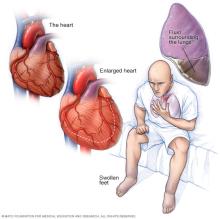
If you have congestive heart failure, your heart can't supply enough blood to meet your body's needs.
Symptoms may develop slowly. Sometimes, heart failure symptoms start suddenly. Heart failure symptoms may include:
- Shortness of breath with activity, when lying down, when bending over or even at rest. Shortness of breath also is called dyspnea.
- Fatigue and weakness.
- Swelling in the legs, ankles and feet.
- Fast or irregular heartbeat.
- Reduced ability to exercise.
- Wheezing.
Other symptoms may include:
- A cough that doesn't go away or a cough that brings up white or pink mucus with spots of blood.
- Swelling of the belly area, causing nausea, bloating or a sensation of fullness.
- Very fast weight gain from fluid buildup.
- Nausea and lack of appetite.
- Trouble concentrating or decreased alertness.
- Chest pain if heart failure is caused by a heart attack.
These symptoms can be caused by many different health conditions. A complete checkup by a healthcare professional is needed to make a diagnosis.
Symptoms of end-stage or advanced heart failure
Symptoms that heart failure may be at an advanced stage include:
- Shortness of breath with very little activity or at rest.
- Swelling that is hard to control and requires higher doses or additional medicines called diuretics.
- Low blood pressure or worsening kidney or liver function.
- Repeated hospital stays or ER visits, dangerous heartbeats, or repeated shocks from an implantable cardioverter-defibrillator (ICD).
- Difficulty tolerating heart failure medicines, which may require lowering the dose or stopping some medicines because of problems such as low blood pressure or worsening kidney function.
These symptoms cannot tell exactly how long someone will live. If you have advanced heart failure, your care team can talk with you about treatment choices and what matters to you.
When to seek care
See your healthcare professional if you think you might have symptoms of heart failure.
Call your healthcare professional right away if you have heart failure and:
- Your symptoms suddenly get worse.
- You develop a new symptom.
- You gain 5 pounds (2.3 kilograms) or more within a few days.
These changes could mean that heart failure is getting worse or that treatment isn't working.
Follow the action plan from your healthcare professional. It may give a different weight-change limit or other instructions based on your condition.
When to seek emergency care
Call 911 or your local emergency number if you have any of the following:
- Chest pain.
- Fainting or severe weakness.
- Fast or irregular heartbeat with shortness of breath, chest pain or fainting.
- Repeated shocks from a defibrillator if you have one.
- Sudden, severe shortness of breath and coughing up white or pink foamy mucus.
These symptoms may be due to heart failure. But there are many other possible causes. Don't try to diagnose yourself.
In the emergency room (ER), healthcare professionals do tests to learn whether your symptoms are due to heart failure or something else.
Causes
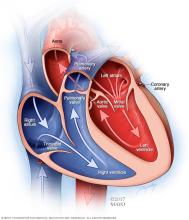
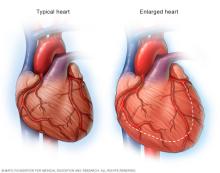
Heart failure can be caused by a weakened, damaged or stiff heart.
- If the heart is damaged or weakened, the heart chambers may stretch and get bigger. The heart can't pump out the needed amount of blood.
- If the main pumping chambers of the heart, called the ventricles, are stiff, they can't fill with enough blood between beats.
The heart muscle can be damaged by certain infections, heavy alcohol use, recreational drug use and some chemotherapy medicines.
Any of the following conditions also can damage or weaken the heart and cause heart failure.
- Coronary artery disease and heart attack. Coronary artery disease is the most common cause of heart failure. The disease results from the buildup of fatty deposits in the arteries. The deposits narrow the arteries. This reduces blood flow and can lead to heart attack.
A heart attack occurs when blood flow to part of the heart is blocked. Damage to the heart muscle from a heart attack may mean that the heart can no longer pump as well as it should.
- High blood pressure. Also called hypertension, this condition forces the heart to work harder than it should to pump blood through the body. Over time, the extra work can make the heart muscle too stiff or too weak to properly pump blood.
- Heart valve disease. The valves of the heart keep blood flowing the right way. If a valve isn't working properly, the heart must work harder to pump blood. This can weaken the heart over time. Treating some types of heart valve disease may reverse heart failure.
- Inflammation of the heart muscle, also called myocarditis. Myocarditis is caused most commonly by a virus, including the COVID-19 virus. Myocarditis can lead to left-sided heart failure.
- Disease of the heart muscle, called cardiomyopathy. There are different types of cardiomyopathy. In general, the condition causes the heart to have a harder time pumping blood to the rest of the body. This can lead to symptoms of heart failure.
- A heart condition that you're born with, also called a congenital heart defect. Congenital heart defects affect both children and adults. If the heart and its chambers or valves haven't formed correctly, the other parts of the heart have to work harder to pump blood. This may lead to heart failure.
- Irregular heartbeats, called arrhythmias. Irregular heartbeats may cause the heart to beat too fast, creating extra work for the heart. A slow heartbeat also may lead to heart failure. Treating an arrhythmia may reverse heart failure in some people.
- Other diseases. Some long-term diseases may contribute to chronic heart failure. Examples are diabetes, HIV infection, an overactive or underactive thyroid, or a buildup of iron or protein.
Your genes also can play a role. Some conditions that cause heart failure, including hypertrophic cardiomyopathy, may be inherited but not all are. Ask your healthcare professional whether genetic counseling or testing may be helpful if several relatives have had heart failure or cardiomyopathy.
Causes of sudden or worsening heart failure also include:
- A heart attack or reduced blood flow to the heart.
- Allergic reactions.
- A severe infection, such as pneumonia.
- A blood clot in the lungs, called a pulmonary embolism.
- Very high blood pressure.
- A sudden heart valve issue.
Other causes include:
- Any illness that affects the whole body.
- Viruses that attack the heart muscle.
- A fast or irregular heartbeat.
- Missing heart failure medicines or taking a medicine that can worsen heart failure.
- Having too much sodium or fluid.
- Use of some medicines, including some chemotherapy medicines to treat cancer.
Risk factors
Heart and blood vessel conditions that increase the risk of heart failure or make existing heart failure worse include:
- Coronary artery disease. Narrowed arteries may limit the heart's supply of oxygen-rich blood, resulting in weakened heart muscle.
- Heart attack. A heart attack is a form of coronary artery disease that occurs suddenly. Damage to the heart muscle from a heart attack may mean the heart can no longer pump as well as it should.
- Heart valve disease. Having a heart valve that doesn't work properly raises the risk of heart failure.
- High blood pressure. The heart works harder than it has to when blood pressure is high.
- Irregular heartbeats. Irregular heartbeats, especially if they are very frequent and fast, can weaken the heart muscle and cause heart failure.
- Congenital heart disease. Some people who develop heart failure were born with changes in the structure or function of their heart.
Other health conditions that may increase the risk of heart failure or make it worse include:
- Diabetes. Having diabetes increases the risk of high blood pressure and coronary artery disease.
- Sleep apnea. This condition causes breathing to repeatedly stop and start during sleep. It can lower blood oxygen levels and raise the risk of irregular heartbeats. Obstructive and central sleep apnea can worsen heart failure, including right-sided heart failure.
- Obesity. People who have obesity have a higher risk of developing heart failure.
- Viral infections, including COVID-19. Some viral infections can injure the heart and cause myocarditis, irregular heartbeats or heart failure. They also may worsen existing heart failure.
- Stroke. A stroke can affect signals between the brain and heart. Some people have irregular heartbeats or changes in how the heart squeezes or relaxes after a stroke. Heart failure can sometimes occur, but it does not happen to everyone who has a stroke.
- Pneumonia and other respiratory infections. These infections can trigger or worsen heart failure. They also can cause shortness of breath, so tests may be needed to find the cause.
- Anorexia nervosa. This eating disorder is linked with a higher risk of heart failure and other heart conditions.
Medicines that may increase the risk of heart failure or make it worse include:
- Some diabetes medicines. The diabetes medicines rosiglitazone and pioglitazone (Actos) have been found to increase the risk of heart failure in some people. Don't stop taking these medicines without first talking to your healthcare professional.
- Some other medicines. Other medicines that may lead to heart failure or heart conditions include nonsteroidal anti-inflammatory drugs (NSAIDs) and some medicines used to treat high blood pressure, cancer, blood conditions, irregular heartbeats, nervous system diseases, mental health conditions, lung and urinary conditions, and infections.
Other risk factors for heart failure include:
- Aging. The heart's ability to work decreases with age, even in healthy people.
- Alcohol use. Drinking too much alcohol may weaken the heart muscle and lead to heart failure.
- Drugs, including amphetamines and alcohol.
- Smoking or using tobacco. If you smoke, quit. Using tobacco increases the risk of heart disease and heart failure.
Complications
If you have heart failure, it's important to have regular health checkups, even if symptoms improve. Your healthcare professional can examine you and run tests to check for complications.
Complications of heart failure depend on your age, overall health and the severity of heart disease. They may include:
- Kidney damage or failure. Heart failure can reduce the blood flow to the kidneys. Untreated, this can cause kidney failure. Kidney damage from heart failure can require dialysis for treatment.
- Other heart changes. Heart failure can cause changes in the heart's size and function. These changes may damage heart valves and cause irregular heartbeats.
- Liver damage. Heart failure can cause fluid buildup that puts too much pressure on the liver. This fluid backup can lead to scarring, which makes it more difficult for the liver to work properly.
- Sudden cardiac death. If the heart is weak, there is a risk of dying suddenly due to a dangerous irregular heartbeat.
Prevention
One way to prevent heart failure is to treat and manage the conditions that can cause heart failure or increase the risk. These conditions include coronary artery disease, high blood pressure, diabetes and obesity.
Some of the same lifestyle changes used to manage heart failure also may help prevent it. Try these heart-healthy tips:
- Don't smoke.
- Get plenty of exercise.
- Eat healthy foods.
- Maintain a healthy weight.
- Reduce and manage stress.
- Take medicines as directed.
Diagnosis
To diagnose heart failure, your healthcare professional examines you and asks questions about your symptoms and medical history. Your health professional checks to see if you have risk factors for heart failure, such as high blood pressure, coronary artery disease or diabetes.
No single test diagnoses every case of congestive heart failure. Tests help find the cause and rule out other conditions.
Your health professional listens to your lungs and heart with a device called a stethoscope. A whooshing sound called a murmur may be heard when listening to your heart. Your health professional may look at the veins in your neck and check for swelling in your legs and belly.
Treatment
Treatment of congestive heart failure may depend on the cause. Treatment often includes lifestyle changes and medicines. Heart failure is not always curable. But if another health condition is causing the heart to fail, treating it may reverse heart failure.
Some people with heart failure need surgery to open blocked arteries or to place a device to help the heart work better.
With treatment, symptoms of heart failure may improve.
Even when symptoms and ejection fraction improve, heart failure may return or worsen. Continue your medicines and follow-up care unless your healthcare professional changes your treatment plan.
Medications
A combination of medicines may be used to treat heart failure. The specific medicines used depend on the cause of heart failure and the symptoms. Medicines to treat heart failure include:
- Angiotensin-converting enzyme (ACE) inhibitors. These medicines relax blood vessels to lower blood pressure, improve blood flow and decrease the strain on the heart. Examples include enalapril (Vasotec, Epaned), lisinopril (Zestril, Qbrelis) and captopril.
- Angiotensin 2 receptor blockers (ARBs). These medicines have many of the same benefits as ACE inhibitors. They may be an option for people who can't tolerate ACE inhibitors. They include losartan (Cozaar), valsartan (Diovan) and candesartan (Atacand).
- Angiotensin receptor plus neprilysin inhibitors (ARNIs). This medicine uses two blood pressure medicines to treat heart failure. The combination medicine is sacubitril-valsartan (Entresto). It's used to treat some people with heart failure with reduced ejection fraction. It may help prevent the need for a hospital stay in those people.
- Beta blockers. These medicines slow the heart rate and lower blood pressure. They reduce the symptoms of heart failure and help the heart work better. If you have heart failure, beta blockers may help you live longer. Examples include carvedilol (Coreg), metoprolol (Lopressor, Toprol-XL, Kapspargo Sprinkle) and bisoprolol.
-
Diuretics. Often called water pills, these medicines make you urinate more frequently. This helps prevent fluid buildup in your body. Diuretics, such as furosemide (Lasix, Furoscix) and bumetanide (Bumex), also decrease fluid in the lungs, so it's easier to breathe.
-
Potassium-sparing diuretics. Also called aldosterone antagonists, these medicines include spironolactone (Aldactone, CaroSpir) and eplerenone (Inspra). They may help people who have severe heart failure with reduced ejection fraction (HFrEF) live longer.
-
Sodium-glucose cotransporter-2 (SGLT2) inhibitors. These medicines help lower blood sugar. They are often prescribed with diet and exercise to treat type 2 diabetes. But they're also one of the first treatments for heart failure. That's because several studies showed that the medicine lowered the risk of hospital stays and death in people with certain types of heart failure — even if they didn't have diabetes. These medicines include canagliflozin (Invokana), dapagliflozin (Farxiga) and empagliflozin (Jardiance).
Some diuretics make the body lose potassium and magnesium. Your healthcare professional may recommend supplements to treat this. If you're taking a diuretic, you may have regular blood tests to check your potassium and magnesium levels.
Unlike some other diuretics, these medicines can raise the level of potassium in the blood to dangerous levels. Talk with your healthcare professional about your diet and potassium intake.
More medicines that may be used to treat heart failure include:
- Digoxin (Lanoxin). This medicine, also called digitalis, helps the heart squeeze better to pump blood. It also tends to slow the heartbeat. Digoxin reduces heart failure symptoms in people with HFrEF. Someone with a heart rhythm disorder, such as atrial fibrillation, may be more likely to receive it.
- Hydralazine and isosorbide dinitrate (BiDil). This combination of medicines helps relax blood vessels. It may be added to your treatment plan if you have severe heart failure symptoms and ACE inhibitors or beta blockers haven't helped.
- Vericiguat (Verquvo). This medicine for chronic heart failure is taken once a day by mouth. It's a type of medicine called an oral soluble guanylate cyclase (sGC) stimulator. In studies, people with high-risk heart failure who took this medicine had fewer hospital stays for heart failure and heart disease-related deaths than those who got a pill with no medicine.
- Positive inotropes. These medicines may be given by IV to people with severe advanced heart failure who are in the hospital. Positive inotropes can help the heart pump blood better and maintain blood pressure. Long-term use of these medicines has been linked to an increased risk of death in some people. Talk with your healthcare professional about the benefits and risks of these medicines.
- Other medicines. Your healthcare professional may prescribe other medicines to treat specific symptoms. For example, some people may receive nitrates for chest pain, statins to lower cholesterol or blood thinners to help prevent blood clots.
Your healthcare professional may need to change your medicine doses frequently. This is more common when you've just started a new medicine or when your condition is getting worse.
Heart failure medicines can cause side effects. Depending on the medicine, these may include dizziness, low blood pressure, changes in kidney function or changes in potassium levels. Your healthcare team may check your blood pressure and do blood tests after you start a medicine or the dose changes. Tell your healthcare team if you have any side effects. Do not stop a medicine without talking with your healthcare professional.
Treatment during a flare-up
You may need to stay in the hospital if you have a flare-up of heart failure symptoms. While in the hospital, you may receive:
- Medicines to relieve your symptoms.
- More medicines to help your heart pump better.
- Oxygen through a mask or small tubes placed in your nose.
If you have severe heart failure, you may need to use supplemental oxygen for a long time.
Surgery or other procedures
Surgery or other procedures may be recommended to treat heart failure or the condition that led to it.
Surgery or other procedures for heart failure may include:
- Coronary artery bypass graft surgery. You may need coronary artery bypass graft surgery if severely blocked arteries are causing your heart failure. The surgery involves taking a healthy blood vessel from the leg, arm or chest and connecting it below and above the blocked arteries in the heart. The new pathway improves blood flow to the heart muscle.
-
Heart valve repair or replacement. If a damaged heart valve causes heart failure, your health professional may recommend repairing or replacing the valve. There are many different types of heart valve surgery. The type needed depends on the cause of the heart valve disease.
Heart valve repair or replacement may be done as open-heart, minimally invasive surgery or through a small puncture in a blood vessel.
-
Implantable cardioverter-defibrillator (ICD). An ICD is used to prevent complications of heart failure. It isn't a treatment for heart failure itself. An ICD is a device similar to a pacemaker. It's implanted under the skin in the chest with wires leading through the veins and into the heart.
The ICD checks the heartbeat. If the heart starts beating at a dangerous rhythm, the ICD tries to correct the beat. If the heart stops, the device shocks it back into regular rhythm. An ICD also can work as a pacemaker and speed up a slow heartbeat.
- Cardiac resynchronization therapy (CRT). Also called biventricular pacing, CRT is a treatment for heart failure in people whose lower heart chambers aren't pumping in sync with each other. A device sends electrical signals to the lower heart chambers. The signals tell the chambers to squeeze in a more coordinated way. This improves the pumping of blood out of the heart. CRT may be used with an ICD.
-
Ventricular assist device (VAD). A VAD helps pump blood from the lower chambers of the heart to the rest of the body. It's also called a mechanical circulatory support device. Although a VAD can be placed in one or both lower chambers of the heart, it's usually placed in the lower left chamber.
Your healthcare professional may recommend a ventricular assist device if you're waiting for a heart transplant. Sometimes, a VAD is used as a permanent treatment for people who have heart failure but who aren't candidates for a heart transplant.
Heart transplant. Some people have such severe heart failure that surgery or medicines don't help. These people may need a heart transplant.
A heart transplant isn't the right treatment for everyone. A team of healthcare professionals at a transplant center helps determine whether the procedure may be safe and beneficial for you. The team looks at your overall health and how well your heart and other organs work. Not everyone with advanced heart failure can have a heart transplant.
A ventricular assist device may be used while you wait for a transplant.
Possible complications depend on the procedure and your health. They may include:
- Bleeding.
- Infection.
- Blood clots.
- Stroke.
- An irregular heartbeat.
- Kidney issues.
Implanted devices can cause infection or have issues that require another procedure. A heart transplant also can lead to rejection of the donor heart. Your care team can talk with you about the benefits and risks of each option.
End-of-life care
Heart failure may get better for a time and then get worse again. No single symptom or test can predict exactly how long someone will live. The healthcare team looks at the overall pattern. This includes repeated severe episodes, how symptoms respond to treatment, how well other organs are working and how much strength the person has.
Your healthcare professional may recommend special medical care to reduce symptoms and improve quality of life. This is called palliative care. Anyone who has a serious or life-threatening illness can benefit from this type of care. It can be used to treat symptoms of the disease or to ease the side effects of treatment.
In some people with heart failure, medicines no longer work and a heart transplant or device isn't an option. If this occurs, special end-of-life care may be recommended. This is called hospice care.
Hospice care allows family and friends — with the aid of nurses, social workers and trained volunteers — to care for and comfort you. Hospice care is available in your home or in nursing homes and assisted living centers.
Hospice care provides the following for those who are sick and those who care for them:
- Emotional support.
- Psychological support.
- Spiritual support.
Although it can be hard, discussing end-of-life issues with your family and healthcare team is important. Part of this discussion will likely involve an advance care directive. This is a general term for spoken and written instructions you give concerning your medical care if you can't speak for yourself.
If you have an ICD, also discuss whether and when to turn off the device so that it can't give shocks near the end of life.
Prognosis
Prognosis means what may happen over time. It also is called outlook. It is an estimate of what will happen. But it doesn't say what exactly will happen. The outlook for people with heart failure is different for everyone.
Your outlook depends on many things, including your age and whether you have other conditions, such as kidney disease or diabetes. The outlook also depends on details about your heart failure, including:
- The cause of heart failure and whether it can be treated.
- The type and stage of heart failure.
- How your symptoms limit your activity.
- How well treatment is working.
Other things that play a role in your outlook include:
- How well your heart and kidneys work.
- Test results.
- Recent emergency visits or hospital stays.
Life expectancy
It is understandable to wonder about life expectancy with congestive heart failure. Survival rates can offer a general picture, but they are based on large groups of people. They cannot tell exactly how long you will live.
Healthcare professionals use survival rates along with information about your health and treatment to discuss life expectancy and plan care. The rates are only one part of that discussion.
In general, life expectancy tends to be shorter at older ages. But age alone cannot predict how long a person with heart failure will live. Your overall health, heart function and response to treatment also matter.
On average, people with heart failure with preserved ejection fraction (HFpEF) may have a lower risk of death than people with HFrEF. Both types can be serious, and ejection fraction alone cannot predict life expectancy.
Across large groups of people with chronic or stable heart failure, about 57% live five years after diagnosis. About 35% live 10 years after diagnosis. These numbers do not mean that a person will live for only five or 10 years. Some people live longer than these estimates suggest. Others live for less time.
These estimates are based partly on people who received heart failure care years ago. Because care changes over time, the numbers may not fully reflect the outlook for people receiving treatment today.
Heart failure often is a long-term condition and is not always curable. When a treatable condition causes it, treatment may improve or sometimes reverse the heart failure. Many people still need ongoing care.
Lifestyle and home remedies
Some people with heart failure may be told to take omega-3 fatty acid supplements. Some research shows that the supplements may help reduce the need for hospital stays.
Making certain lifestyle changes often improves heart failure symptoms. Lifestyle changes may even stop the condition from getting worse.
The following changes are recommended to improve heart health:
- Don't smoke. Smoking damages the blood vessels and raises blood pressure. It lowers blood oxygen levels and speeds up the heartbeat. Quitting is the best way to reduce the risk of heart disease. If you need help quitting, talk with your healthcare professional. Smoking or any type of tobacco use can prevent a person from being listed for a heart transplant. Transplant programs generally require a period without smoking before a person can be placed on the transplant list. Also avoid secondhand smoke.
- Check your legs, ankles and feet for swelling. Do this every day. Call your healthcare professional if the swelling worsens.
- Weigh yourself. Ask your healthcare professional how often you should do this. Weight gain may mean your body is holding onto fluid. You may need a change in treatment. Call your health professional if you gain 5 pounds (2.3 kilograms) or more within a few days.
- Manage weight. Being overweight increases the risk of heart disease. Ask your healthcare professional what weight is right for you. Even losing a small amount of weight can help improve heart health.
- Eat a healthy diet. Aim to eat a diet that includes fruits and vegetables, whole grains, fat-free or low-fat dairy products, and lean proteins. Limit saturated or trans fats.
Limit salt. Too much salt, also called sodium, can make the body hold onto water. This is called water retention. It makes the heart work harder. Symptoms include shortness of breath and swollen legs, ankles and feet.
Ask your healthcare professional if you should follow a no-salt or low-salt diet. Remember that salt is already added to prepared foods.
- Limit alcohol. Alcohol can interfere with certain medicines. It also weakens the heart and increases the risk of irregular heartbeats. If you have heart failure, your healthcare professional may recommend that you don't drink alcohol.
- Ask how much fluid you can drink. If you have severe heart failure, your health professional may suggest that you limit the amount of fluids you drink. Drinking more water or other fluids than your healthcare professional recommends can worsen fluid buildup for some people. A strict fluid limit may not be needed for everyone whose heart failure is controlled. Ask how much fluid is right for you.
- Stay as active as possible. Moderate exercise helps keep the heart and body healthy. But be sure to talk with your healthcare professional about an exercise program that's right for you. If you have heart failure, your health professional may suggest a walking program or a cardiac rehabilitation program at your local hospital.
Reduce stress. Strong emotions such as anxiety or anger can make the heart beat faster. Breathing becomes heavier and blood pressure goes up. These changes can make heart failure worse.
Find ways to reduce emotional stress. Practicing mindfulness and connecting with others in support groups are some ways to reduce and manage stress.
- Get better sleep. Heart failure can cause shortness of breath, especially when lying down. Try sleeping with your head propped up using a pillow or a wedge. If you snore or have trouble sleeping, ask about a test for sleep apnea.
- Get recommended vaccinations. Ask your healthcare professional about getting influenza, pneumonia and COVID-19 vaccinations.
Coping and support
Managing heart failure requires open communication between you and your healthcare professional. Be honest about any challenges concerning your diet, lifestyle and medicine use. Pay attention to your body and how you feel. Tell your healthcare professional when you're feeling better or worse. This helps guide your treatment.
These steps may help you manage heart failure:
- Take medicines as directed. If side effects or costs are a concern, ask your health professional about options. Don't stop taking your medicines without talking to your health professional. Also, go to all scheduled health appointments. Reschedule any that you miss.
- Use caution with other medicines and supplements. Some medicines available without a prescription to treat pain and swelling can make heart failure worse. They include ibuprofen (Advil, Motrin IB, others) and naproxen sodium (Aleve). Some diet pills and supplements also may not be safe if you take medicines for heart failure. Always tell your healthcare professional about all the medicines you take, including those you take without a prescription.
- Weigh yourself daily. If your healthcare professional asks you to weigh yourself every day, do it after you wake up and urinate, before you eat or drink, and at about the same time each day. Write your weight down in a notebook. Bring the notes to your medical checkups. An increase in weight can be a sign of fluid buildup.
- Check your blood pressure at home. Write down your numbers and bring them to your health checkups. This helps your health professional know if treatment is working or your condition is getting worse. Home blood pressure monitors are available at stores and pharmacies.
- Know how to contact your healthcare professional. Keep your health professional's phone number, the hospital's phone number, and directions to the hospital or clinic on hand. You'll want easy access to this information if you have health questions or if you need to go to the hospital.
- Ask for help. Sticking to treatment and lifestyle changes may be challenging. It may help to ask your friends and family to help you meet your goals.
Talk with your healthcare team if you need help managing stress, anxiety or depression. Counseling and support groups may help.
Preparing for an appointment
If you are worried about your heart failure risk, make an appointment with your healthcare professional. You may be referred to a doctor trained in heart diseases. This type of doctor is called a cardiologist. If heart failure is found early, treatment may be easier and more effective.
Appointments can be brief. Because there's often a lot to discuss, it's a good idea to be prepared for your appointment. Here's some information to help you get ready.
Getting ready
- Be aware of pre-appointment restrictions. When you make the appointment, ask if there's anything you need to do in advance. For example, you may be told not to eat or drink for a while before some tests.
- Write down any symptoms you're having, including any that may seem unrelated to heart failure.
- Write down key personal information, including a family history of heart disease, stroke, high blood pressure or diabetes, and any major stresses or recent life changes. Find out if anyone in your family has had heart failure. Some heart conditions that cause heart failure run in families. Knowing as much as you can about your family history can be helpful.
- Make a list of all medicines, vitamins or supplements that you're taking. Include doses. Bring this list with you to all health checkups.
- Take someone along, if possible. Sometimes it can be difficult to remember all the information given to you during an appointment. Someone who goes with you may remember something that you missed or forgot.
- Write down questions to ask your healthcare professional. For example, if you have heart failure you might ask if it's safe for you and your partner to have sex. Most people with heart failure can continue having sex once symptoms are under control. If you have questions, talk with your healthcare professional.
Your time with your health professional is limited, so preparing a list of questions can help you make the most of your time together. List your questions from most important to least important in case time runs out. For heart failure, some basic questions to ask your healthcare professional include:
- What's the most likely cause of my symptoms?
- Are there other possible causes for my symptoms?
- What kinds of tests do I need? Do these tests require any special preparation?
- What treatments are available? Which do you recommend for me?
- What foods should I eat or avoid?
- What's an appropriate level of physical activity?
- Do I have any activity restrictions?
- How often should I be screened for changes in my condition?
- I have other health conditions. How can I best manage these conditions together?
- Is there a generic available for the medicine you're prescribing for me?
- Do my family members need to be screened for conditions that may cause heart failure?
- Is there any information that I can take home with me? What websites do you recommend?
Don't hesitate to ask other questions.
What to expect from your doctor
Your healthcare professional is likely to ask many questions. Being ready to answer them may save time to go over any details you want to spend more time on. Your health professional may ask:
- When did you first notice your symptoms?
- Do your symptoms occur all the time, or do they come and go?
- How severe are your symptoms?
- What, if anything, seems to improve your symptoms?
- Does anything make your symptoms worse?
What you can do in the meantime
It's never too early to make healthy lifestyle changes, such as quitting smoking, cutting down on salt and eating healthy foods. These changes can help prevent heart failure from starting or worsening.
Following your treatment plan
Following your treatment plan can help manage symptoms and support your health.
- Take medicines as directed.
- Continue healthy habits, including fluid control, salt control and daily weight checks.
- Take daily blood pressure readings if recommended by your healthcare professional.
- Keep follow-up appointments.
Ask what changes should prompt a call to your healthcare professional.
Safe activity and cardiac rehabilitation can improve fitness, symptoms and quality of life. Ask your healthcare professional what type and amount of activity are right for you.
Ask your healthcare professional what the survival numbers may mean for your life expectancy. No number or test can predict the future with certainty. Your healthcare professional can use information about your health, treatment and goals to discuss a more personal outlook.
Stages
During or after testing for heart failure, your healthcare professional may tell you the stage of disease. Staging helps determine the most appropriate treatment. There are two main ways to determine the stage of heart failure:
New York Heart Association (NYHA) classification
This system groups heart failure into four categories by number. You may see Roman numerals used for these category names.
- Class 1 heart failure. There are no heart failure symptoms.
- Class 2 heart failure. Everyday activities can be done without difficulty. But exertion causes shortness of breath or fatigue.
- Class 3 heart failure. It's difficult to complete everyday activities.
- Class 4 heart failure. Shortness of breath occurs even at rest. This category includes the most severe heart failure. It may be called end-stage or advanced congestive heart failure.
American College of Cardiology/American Heart Association classification
This stage-based classification system uses letters A to D. It includes a category for people who are at risk of developing heart failure.
- Stage A. There are several risk factors for heart failure but no signs or symptoms.
- Stage B. There is heart disease but no signs or symptoms of heart failure.
- Stage C. There is heart disease and signs or symptoms of heart failure.
- Stage D. There is heart disease and the symptoms disrupt daily life or lead to hospitalization. This stage is usually called end-stage or advanced congestive heart failure. Advanced heart failure requires specialized treatments.
Healthcare professionals often use the staging systems together to help decide the right treatment for you. Your health professional can help you interpret your stage.
© 1998-2026 Mayo Foundation for Medical Education and Research(MFMER). All rights reserved. Terms of Use