
Henoch-Schonlein purpura
Conditions
Overview
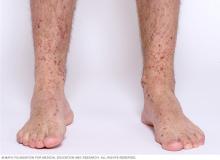
Henoch-Schonlein purpura causes the small blood vessels in the skin, joints, intestines and kidneys to become inflamed and bleed. This condition also is called IgA vasculitis.
The most noticeable symptom of this form of vasculitis is a rash that often appears on the legs and feet. Henoch-Schonlein purpura also can cause belly pain and aching joints. Rarely, the condition may cause serious kidney damage.
Anyone can get Henoch-Schonlein purpura. But it's most common in children between the ages of 3 and 10. The illness often goes away on its own without treatment. Medical care may be needed if Henoch-Schonlein purpura affects the kidneys or leads to other health concerns.
Symptoms
Symptoms of Henoch-Schonlein purpura include:
- Rash. The main symptom is a rash made up of raised spots called purpura. Patches of the rash can look like bruises. The color of this rash may be shades of red or purple depending on skin color. The rash typically forms on the legs and feet. It also can appear on the buttocks, arms, face, chest, back and belly. The rash may be worse in areas where clothing puts pressure on the skin, such as the sock line and waistline.
- Swollen, sore joints. People with Henoch-Schonlein purpura often have pain and swelling around the joints. The swelling typically is in the knees and ankles. Sometimes, joint pain develops about 1 to 2 weeks before the rash appears. Joint soreness and swelling typically go away without any lasting damage when the illness passes.
- Digestive tract symptoms. Many people with Henoch-Schonlein purpura develop belly pain, nausea and vomiting. They also may have black, tarry or bloody stools. These symptoms sometimes happen before the rash appears.
- Kidney involvement. Henoch-Schonlein purpura can affect the kidneys. This typically doesn't cause any noticeable symptoms. But a urine test may show protein or blood in the urine when kidneys are affected. Usually this goes away once the illness passes. Rarely, some people develop kidney disease that lasts a long time.
When to see a doctor
See your healthcare professional if you have a rash you think may be Henoch-Schonlein purpura, and you also have serious belly pain, nausea, vomiting or bloody stools.
If your child develops a rash that you think may be Henoch-Schonlein purpura, make an appointment for your child to see a healthcare professional as soon as possible.
Causes
In Henoch-Schonlein purpura, some of the body's small blood vessels become inflamed. That can cause bleeding in the skin, belly and kidneys. It's not clear why the inflammation develops. It may be the result of an immune system response in the body.
Many people who have Henoch-Schonlein purpura develop it after an upper respiratory illness, such as a cold.
Other possible triggers of Henoch-Schonlein purpura include strep throat, COVID-19 and other infections. Insect bites and cold weather, as well as some medicines and foods, also may trigger Henoch-Schonlein purpura.
Risk factors
Factors that raise the risk of developing Henoch-Schonlein purpura include:
- Age. The disease mainly affects children and young adults. Most cases happen in children between the ages of 3 and 10.
- Sex assigned at birth. Henoch-Schonlein purpura is slightly more common in males.
- Family history. Henoch-Schonlein purpura sometimes runs in families. So it's possible that genetics may play a role in who gets this illness.
- Race. White and Asian people are more likely to develop Henoch-Schonlein purpura than are other people.
Complications
For most people, symptoms of Henoch-Schonlein purpura go away within a month without any lasting problems. But it is common for people who've had this illness to get it again within 4 to 6 months. If Henoch-Schonlein purpura comes back, symptoms often are milder than before.
Other health concerns that can happen due to Henoch-Schonlein purpura, called complications, include:
- Kidney damage. The most serious health issue linked to Henoch-Schonlein purpura is kidney damage. This risk is greater in adults than in children. Sometimes the damage is serious enough that dialysis or a kidney transplant is needed.
- Bowel blockage. Henoch-Schonlein purpura can cause a section of the bowel to fold into itself like a telescope. This is a condition called intussusception. It prevents anything from moving through the bowel. The risk is greater in children than in adults.
Diagnosis
A healthcare professional typically can diagnose Henoch-Schonlein purpura based on the rash, especially if there's also joint pain and digestive tract symptoms. But sometimes one or more of the following tests may be needed.
Lab tests
No single laboratory test can confirm Henoch-Schonlein purpura. But some tests can help rule out other conditions and make a diagnosis of Henoch-Schonlein more likely. They include:
- Blood tests. Blood tests may be done if a diagnosis isn't clear based on symptoms.
- Urine tests. Urine tests may be done to check if protein or other substances are in the blood. This can help show if the kidneys are working properly.
Biopsies
People who have Henoch-Schonlein purpura often have a specific type of protein called immunoglobulin A in the parts of the body affected by the illness. This protein also is called IgA. To check for that protein, your healthcare professional may take a small sample of skin to test in a lab. This test is called a biopsy. In people who have serious kidney involvement, a kidney biopsy may be needed.
Ultrasound
Ultrasound is an imaging test that uses sound waves to make pictures of the body. An ultrasound can help rule out other causes of belly pain. Ultrasound also can be used to check for other health concerns, such as a bowel obstruction.
Treatment
Henoch-Schonlein purpura usually goes away on its own within a month with no lasting health concerns. Rest, plenty of fluids and pain relievers you can buy without a prescription may help ease symptoms.
Medicines
If joint pain or belly pain is serious, your healthcare professional may suggest taking a corticosteroid medicine, such as prednisone, to ease the pain. Because these medicines can have serious side effects, talk about the risks and benefits of using them with your healthcare professional before you start taking them.
Surgery
If Henoch-Schonlein purpura causes a section of the bowel to fold into itself or develop a hole, surgery may be needed.
Self care
For most people with mild Henoch-Schonlein purpura, self-care steps at home are all that's needed while the illness runs its course. Rest, plenty of fluids and pain relievers you can buy without a prescription may help.
Preparing for your appointment
You'll likely first see your family healthcare professional or your child's pediatrician for Henoch-Schonlein purpura. You may later be referred to a kidney specialist, called a nephrologist, if health concerns in the kidneys develop. Here's some information to help you get ready for the appointment.
What you can do
When you make the appointment, ask if there's anything to do beforehand, such as not eating or drinking before having a specific test.
Make a list of:
- Symptoms you have or your child has, including any that seem unrelated to the reason for the appointment.
- Key personal information, including major stresses, recent life changes and family medical history.
- All medicines, vitamins or other supplements you take or your child takes, including the doses.
- Questions to ask your healthcare professional.
Take along a family member or friend, if possible, to help you remember the information you're given.
Questions you may want to ask your healthcare professional include:
- What might be causing these symptoms?
- What tests are needed to confirm the diagnosis?
- Is this condition temporary or will it last a long time?
- How will I know if there's kidney damage? What if it develops later?
- How is Henoch-Schonlein purpura treated?
- What are the side effects of treatment?
- What self-care steps might help?
- Are there brochures or other printed material I can take with me? What websites do you recommend?
What to expect from your doctor
Your healthcare professional is likely to ask a number of questions, such as:
- Did the symptoms start slowly or quickly?
- Did the rash appear after an illness?
- What did the rash look like when it first started?
- Is the rash painful? Does it itch?
- Are other symptoms involved, such as belly pain or aching joints?
© 1998-2026 Mayo Foundation for Medical Education and Research(MFMER). All rights reserved. Terms of Use