
Invasive lobular carcinoma (ILC)
Conditions
Overview
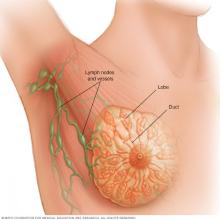
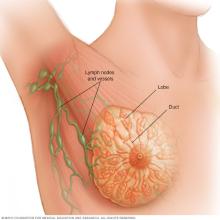
Invasive lobular carcinoma (ILC) is a type of breast cancer. It causes a growth of cells in the milk-producing glands of the breast. These glands are called lobules.
Invasive lobular carcinoma is an invasive cancer, which means the cancer cells have broken out of the lobule where they formed and have grown into the surrounding breast tissue. The cells can spread to the lymph nodes and other areas of the body.
Invasive lobular carcinoma, also called infiltrating lobular carcinoma, makes up a small portion of all breast cancers. Most breast cancers are invasive ductal carcinomas. These cancers grow in the tubes that can carry breast milk to the nipple, called ducts.
Compared with the ductal type, invasive lobular carcinoma is less likely to cause a lump in the breast. It's also more likely to be missed on imaging tests, such as mammograms. This can make detecting the cancer more difficult. It's often diagnosed when it grows larger or spreads to the lymph nodes.
Even with these differences, lobular breast cancer and ductal breast cancer have similar survival rates. The prognosis and treatment options for both types are the same.
Treatments for invasive lobular carcinoma include surgery, radiation therapy and medicines, such as estrogen blocker therapy, chemotherapy and targeted therapy.
Many invasive lobular carcinomas can be cured, especially when the cancer is only in the breast. But cancer that spreads to other parts of the body is harder to treat. A cure may not be possible for advanced cancer, but there are treatments that can slow its growth and extend your life.
Types of invasive lobular carcinoma (ILC) include:
- Classic. Classic invasive lobular carcinomas tend to grow slowly. Most use hormones to help them grow, so healthcare professionals say they are hormone receptor (HR) positive cancers. The classic type isn't likely to make extra HER2, so these cancers are usually HER2 negative.
- Pleomorphic. Pleomorphic invasive lobular carcinomas tend to grow quickly. The pleomorphic type is often HR positive and HER2 negative, but sometimes can be HR negative or HER2 positive.
Symptoms
Invasive lobular carcinoma (ILC) often doesn't cause any symptoms at first. This type of breast cancer is less likely to cause something that feels like a lump in the breast. It may feel more like an area of thickening. Other symptoms are similar to other types of breast cancer.
Invasive lobular carcinoma signs and symptoms may include:
- An area of thickening in part of the breast that makes it feel different from the surrounding tissue.
- A nipple that looks flattened or turns inward.
- Changes in the color of the breast skin. In people with white skin, the breast skin may look pink or red. In people with brown and Black skin, the breast skin may look darker than the other skin on the chest or it may look red, purple or brown.
- Change in the size, shape or appearance of a breast.
- Changes to the skin over the breast, such as skin that looks dimpled or looks like an orange peel.
- Peeling, scaling, crusting or flaking of the skin on the breast.
When to see a doctor
Make an appointment with a doctor or other healthcare professional if you notice a change in your breasts. Changes to look for may include a lump, an area of puckered or otherwise unusual skin, a thickened region under the skin, and nipple discharge. Even if you've recently had a mammogram, don't wait until your next appointment to report these concerns to your healthcare team.
Causes
The exact cause of invasive lobular carcinoma (ILC) often isn't known. Healthcare professionals know that it starts when changes happen in the DNA inside breast cells. But exactly what causes these genetic changes isn't always known.
How DNA changes lead to cancer
A cell's DNA holds the instructions that tell a cell what to do. In healthy cells, the DNA gives instructions to multiply at a set rate. The instructions also tell the cells to die off at a set time. In cancer cells, changes happen in the DNA. The changes alter the instructions for multiplying and dying. The result is that the cancer cells multiply faster than healthy cells. And they can keep living when healthy cells would die. This causes too many cells in the area.
Most invasive lobular carcinoma cells have genetic changes that affect a protein called epithelial cadherin, which is often shortened to E-cadherin. E-cadherin helps cells stick together. When it doesn't work as it should, the cancer cells spread out in the breast tissue instead of forming a lump.
How DNA changes occur
For most people, the DNA changes that cause invasive lobular carcinoma happen by chance. Sometimes the changes that lead to cancer are passed from parents to children. Healthcare professionals say they are inherited or hereditary.
Not everyone with an inherited DNA change gets cancer. And most people who get cancer don't have an inherited DNA change. It's likely that invasive lobular carcinoma is caused by a mix of genetic and environmental factors. More research is needed to find the exact cause.
How the cancer becomes invasive and spreads
The DNA changes that lead to invasive lobular carcinoma cause a growth inside a milk-producing lobule in the breast. The cells can break out of the lobule and grow into nearby tissue.
Over time, cancer cells can break away and spread to other parts of the body. When cancer spreads, it's called metastatic cancer. Like other breast cancers, invasive lobular carcinoma most often spreads to the bones, lungs, liver and brain. But it also can spread to places where other breast cancers don't typically go, such as the stomach, ovaries, and the lining of the abdomen, called the peritoneum. This cancer also can spread to the thin layers of tissue and fluid that surround the brain and spinal cord, called the leptomeninges.
Risk factors
The risk factors for invasive lobular carcinoma (ILC) are similar to the risk factors for breast cancer in general. Factors that may raise the risk include:
- A family history of breast cancer. If a parent, sibling or child had breast cancer, your risk of breast cancer is increased. The risk is higher if your family has a history of getting breast cancer at a young age. The risk also is higher if you have multiple family members with breast cancer. Still, most people diagnosed with breast cancer don't have a family history of the disease.
- A personal history of breast cancer. If you've had cancer in one breast, you have an increased risk of getting cancer in the other breast.
- A personal history of breast conditions. Certain breast conditions are markers for a higher risk of breast cancer. These conditions include lobular carcinoma in situ (LCIS) and atypical hyperplasia of the breast. If you've had a breast biopsy that found one of these conditions, you have an increased risk of breast cancer.
- Being female. Women are much more likely than men are to get breast cancer. However, everyone is born with some breast tissue, so anyone can get breast cancer, including men. Invasive lobular carcinoma can happen in men, but they are much more likely to have the ductal type of breast cancer.
- Beginning your period at a younger age. Beginning your period before age 12 increases your risk of breast cancer.
- Beginning menopause at an older age. Beginning menopause after age 55 increases the risk of breast cancer.
- Dense breast tissue. Breast tissue is made up of fatty tissue and dense tissue. Fatty tissue is made of fat. Dense tissue is made of milk glands, milk ducts and fibrous tissue. If you have dense breasts, you have more dense tissue than fatty tissue in your breasts. Having dense breasts increases the risk of developing breast cancer and makes it harder to detect cancer on a mammogram. Talk with your healthcare team about other tests you might have in addition to mammograms to look for breast cancer.
- Drinking alcohol. Drinking alcohol increases the risk of breast cancer. There is no safe amount of alcohol when it comes to breast cancer. The more alcohol you drink, the greater your risk.
- Having your first child at an older age. Giving birth to your first child after age 30 may increase the risk of breast cancer.
- Having never been pregnant. Having been pregnant one or more times lowers the risk of breast cancer. Never having been pregnant increases the risk.
- Inherited DNA changes that increase cancer risk. Certain DNA changes that increase the risk of breast cancer can be passed from parents to children. The DNA changes linked to an increased risk of invasive lobular carcinoma include BRCA2, which also raises the risk of ovarian cancer, and CDH1, which also raises the risk of stomach cancer.
- Menopausal hormone therapy. Taking certain hormone therapy medicines to manage the symptoms of menopause may increase the risk of breast cancer. The risk is linked to hormone therapy medicines that combine estrogen and progesterone.
- Older age. The risk of breast cancer increases as you age. Invasive lobular carcinoma tends to happen at an older age compared with other types of breast cancer. It happens most often in those who have been through menopause.
- Obesity. Having obesity increases the risk of breast cancer.
- Radiation exposure. Radiation treatments to the chest as a child or young adult raises the risk of breast cancer.
Prevention
You can take steps to help lower your risk of invasive lobular carcinoma and other types of breast cancer.
Ask about breast cancer screening
Talk with a healthcare professional about when to begin breast cancer screening. Ask about the benefits and risks of screening. Together, you can decide what breast cancer screening tests are right for you.
Become familiar with your breasts
Do occasional breast self-exams so that you know what your breasts typically feel like. If there is a new change, a lump or something not typical in your breasts, report it to a healthcare professional right away.
Breast awareness through self-exams can't prevent breast cancer. But it may help you to better understand the look and feel of your breasts. This might make it more likely that you'll notice if something changes.
Drink alcohol in moderation, if at all
If you choose to drink alcohol, limit how often you drink and keep the amount small. For overall health, drink one or fewer drinks a day. Do not drink every day. The less you drink, the better.
For breast cancer prevention, there is no safe amount of alcohol. So if you're concerned about your breast cancer risk, you may choose to not drink alcohol.
Exercise most days of the week
Aim for at least 30 minutes of exercise on most days of the week. If you haven't been active lately, ask a healthcare professional whether it's OK and start slowly.
Limit menopausal hormone therapy
Hormone therapy that uses a combination of estrogen and progesterone may increase the risk of breast cancer. Talk with a healthcare professional about the benefits and risks of hormone therapy.
Maintain a healthy weight
If your weight is healthy, work to maintain that weight. If you need to lose weight, ask a healthcare professional about healthy ways to lower your weight. In general, try to eat fewer calories every day and slowly increase how much you exercise.
Talk with a healthcare professional about your cancer risk
If you have a family history of breast cancer or think that you may have an increased risk of breast cancer, talk about it with your healthcare professional. Preventive medicines, surgery and more-frequent screening may be options for people with a high risk of breast cancer.
Diagnosis
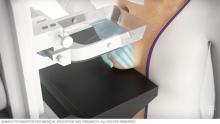
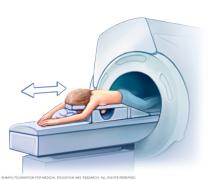
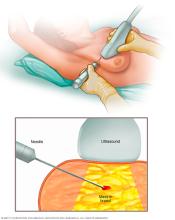
Diagnosing invasive lobular carcinoma (ILC) and other kinds of breast cancer often begins with a breast exam and a discussion of your symptoms. Imaging tests, such as mammogram, ultrasound and MRI, can look at the breast tissue for anything that's not typical. To confirm whether there is cancer or not, a sample of tissue is removed from the area of concern in the breast. The tissue is tested for signs of cancer.
Breast exam
During a breast exam, a healthcare professional looks at the breasts for anything that's not typical. This might include changes in the skin or to the nipple. Then the health professional feels the breasts for lumps. The health professional also feels along the collarbones and around the armpits for lumps.
Mammogram
A mammogram is an X-ray of the breast tissue. Mammograms are commonly used to screen for breast cancer. If a screening mammogram finds something concerning, you might have another mammogram to look at the area more closely. This more-detailed mammogram is called a diagnostic mammogram. It's often used to look closely at both breasts. Invasive lobular carcinoma is less likely to be detected on a mammogram than other types of breast cancer are. Still, a mammogram is a useful diagnostic test.
Breast ultrasound
Ultrasound uses sound waves to make pictures of structures inside the body. A breast ultrasound may give your healthcare team more information about a breast lump. For example, an ultrasound might show whether the lump is a solid mass or a fluid-filled cyst. The healthcare team uses this information to decide what tests you might need next. Invasive lobular carcinoma may be more difficult to detect with ultrasound than other types of breast cancer.
Breast MRI
MRI machines use a magnetic field and radio waves to create pictures of the inside of the body. A breast MRI can make more-detailed pictures of the breast. Sometimes this method is used to look closely for any other areas of cancer in the affected breast. It also might be used to look for cancer in the other breast. Before a breast MRI, you usually receive an injection of contrast. The contrast material helps the tissue show up better in the images. MRI helps show the size of an invasive lobular carcinoma when the cancer is hard to see on other imaging tests.
Breast biopsy
A biopsy is a procedure to remove a sample of tissue for testing in a lab. For a breast biopsy, a healthcare professional often puts a needle through the skin and into the breast tissue. The health professional guides the needle using images created with X-rays, ultrasound or another type of imaging. Once the needle reaches the right place, the health professional uses the needle to draw out tissue from the breast. Often, a marker is placed in the spot where the tissue sample was removed. This small metal marker will show up on imaging tests. The marker helps your healthcare team mark the area of concern.
Lab testing
The tissue sample from a biopsy goes to a lab for testing. Tests can show whether the cells in the sample are cancerous. Other tests give more details about the cells. The testing is done by pathologists. Pathologists are doctors who look for disease in cells, fluids and tissue removed from the body.
Results are often given in a pathology report. The results may show:
- Cell type. The results show whether the cancer cells are ductal cells, lobular cells or other kinds of cells. Invasive lobular carcinoma contains lobular cells.
- Cell grade. The grade of the breast cancer cells is based on how the cells look under a microscope. The grade tells the healthcare team whether the cancer is likely to grow slowly or quickly.
- E-cadherin status. Epithelial cadherin, which is often shortened to E-cadherin, is a protein that helps cells stick together. It's often missing from invasive lobular carcinoma cells. A test that looks for this protein may help the pathologist decide whether the cancer is lobular or ductal. This test isn't always needed.
- Hormone receptor status. Most breast cancer cells use the hormones estrogen and progesterone to help them grow. Cells that do this have receptors that help them catch the hormones circulating in the bloodstream. If testing finds receptors for one or both hormones, the cancer is hormone receptor positive. If testing doesn't find receptors, then the cancer is hormone receptor negative.
- HER2 status. Some breast cancer cells use a protein called human epidermal growth factor receptor 2 (HER2) to help them grow. Healthy breast cells make some HER2, but the cancer cells can make a lot more. If tests show the cancer cells have extra copies of the HER2 gene or increased levels of the HER2 protein, the cancer is HER2 positive. If testing doesn't find these, the cancer is HER2 negative.
- Ki-67 score. Ki-67 is a protein that marks how fast the cancer cells divide, also called the proliferation rate. The Ki-67 score goes from 0% to 100%. A higher score suggests a higher rate of dividing cells and faster growth.
The healthcare team uses the results from lab tests to decide on the cancer's stage, understand the prognosis and make a treatment plan.
Staging tests
Once your healthcare team diagnoses invasive lobular carcinoma, you may have other tests to figure out the extent of the cancer. This is called the cancer's stage. Your healthcare team uses your cancer's stage to understand your prognosis.
Complete information about your cancer's stage may not be available until after breast cancer surgery.
Tests and procedures used to stage invasive lobular carcinoma may include:
- Blood tests, such as a complete blood count and tests to show how well the kidneys and liver are working.
- Bone scan.
- CT scan.
- MRI.
- Positron emission tomography (PET) scans, including fluoroestradiol (FES) PET scan to detect advanced breast cancer that is estrogen receptor positive.
Not everyone needs all of these tests. Your healthcare team picks the tests based on your specific situation.
The stages of invasive lobular carcinoma are the same as the stages for other types of breast cancer. Breast cancer stages range from 0 to 4. A lower number means the cancer is less advanced and more likely to be cured. As the cancer grows into the breast tissue and gets more advanced, the stages get higher.
A cancer's grade is a number that tells the healthcare team how different the cancer cells look from healthy cells. The grades of invasive lobular carcinoma (ILC) go from 1 to 3.
To decide on the grade, doctors in the lab, called pathologists, use a microscope to look at the cancer cells from a biopsy. If the cancer cells look similar to healthy cells, then the cancer cells are low grade. Low-grade cancer grows slowly. If the cancer cells look very different from healthy cells, then the cancer cells are high grade. High-grade cancer grows quickly.
The grades of invasive lobular carcinoma include:
- Grade 1. Grade 1 is a low grade. The cancer cells look similar to healthy cells. Grade 1 invasive lobular carcinoma typically grows slowly and has a low risk of spreading. It's sometimes called well-differentiated cancer.
- Grade 2. Grade 2 is an intermediate grade. The cancer cells look a little different from healthy cells. Grade 2 invasive lobular carcinoma grows more quickly than a grade 1 cancer. It also has a higher risk of spreading. Sometimes it's called moderately differentiated cancer.
- Grade 3. Grade 3 is a high grade. The cancer cells look very different from healthy cells. Grade 3 invasive lobular carcinoma is considered a fast-growing cancer. It has the highest risk of spreading. Sometimes it's called poorly differentiated cancer.
Most invasive lobular carcinomas are grade 1 or 2. The grade helps the healthcare team understand the prognosis and make a treatment plan.
Treatment
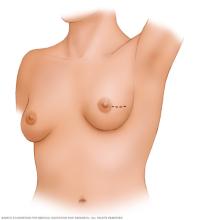
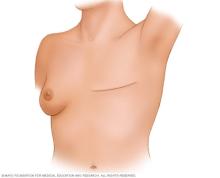
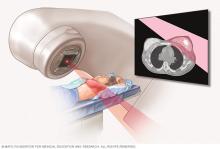
Treatment for invasive lobular carcinoma (ILC) often starts with surgery to remove the cancer. Most people with breast cancer will have other treatments after surgery, such as radiation, chemotherapy and estrogen blocker therapy. Some people may have chemotherapy or estrogen blocker therapy before surgery. These medicines can help shrink the cancer and make it easier to remove.
Invasive lobular carcinoma treatment is very similar to the treatment for other types of breast cancer. Some things that might be different with this type of cancer include:
- Most invasive lobular carcinomas are sensitive to hormones. Breast cancers that are sensitive to hormones are called hormone receptor (HR) positive. These cancers are likely to respond to treatments that block hormones in the body, called estrogen blocker therapy.
- Most invasive lobular carcinomas don't make extra HER2. HER2 is a protein that some healthy breast cells make. Some breast cancer cells develop changes that cause them to make a lot of HER2. Treatments can target the cells that are making extra HER2. Invasive lobular carcinomas are less likely to make extra HER2, so they're less likely to respond to this treatment.
- Most invasive lobular carcinomas grow slowly. Slow-growing cancers are less likely to respond to treatment with chemotherapy. Most invasive lobular carcinomas are the classic type, which grows slowly, so chemotherapy may not be as effective.
Your treatment plan will depend on many factors. Your healthcare team considers the stage of the cancer and how quickly it's growing. Your care team also considers your overall health and what you prefer.
There are many options for breast cancer treatment. You don't have to sort through them on your own. Your healthcare team can help explain your options and work with you to choose a treatment plan that fits your needs and goals. Consider seeking a second opinion from a breast specialist in a breast center or clinic. Some people also find it helpful to talk with breast cancer survivors who have faced similar decisions.
Breast cancer surgery
Breast cancer surgery typically involves a procedure to remove the breast cancer and, sometimes, a procedure to remove some nearby lymph nodes. The main surgical procedures used to treat invasive lobular carcinoma include:
- Lumpectomy. A lumpectomy is surgery to remove the breast cancer and some of the healthy tissue around it. It allows you to maintain most of your breast. Other names for this surgery are breast-conserving surgery and wide local excision. Most people have radiation therapy after lumpectomy.
- Mastectomy. A mastectomy is surgery to remove all breast tissue from a breast. Total mastectomy, also called simple mastectomy, removes all of the breast, including the lobules, ducts, fatty tissue and some skin, including the nipple and areola. Other procedures include skin-sparing mastectomy, which leaves the skin, and nipple-sparing mastectomy, which leaves the areola, nipple and skin.
- Lymph node surgery. Lymph node surgery removes nearby lymph nodes to check them for cancer. When breast cancer spreads it most often goes to the lymph nodes under the arm. A sentinel node biopsy removes some of those lymph nodes for testing. An axillary lymph node dissection removes most of the underarm lymph nodes.
You may choose to have breast reconstruction after mastectomy surgery. Breast reconstruction is surgery to restore shape to the breast. Options might include reconstruction with a breast implant or reconstruction using your own tissue. Consider asking your healthcare team for a referral to a plastic surgeon before your breast cancer surgery.
Estrogen blocker therapy
Estrogen blocker therapy treats breast cancer that is sensitive to hormones. This means the cancer cells have proteins called receptors. The receptors bind to the hormones estrogen and progesterone. The cancer grows in response to these hormones. Healthcare professionals call these cancers hormone receptor positive. Estrogen blocker therapy also is called endocrine therapy and hormone therapy for breast cancer.
This treatment is often used for invasive lobular carcinoma, since most of these cancers are hormone receptor positive. Estrogen blocker therapy may be used before surgery to shrink the cancer. It also may be used after surgery and other treatments to lower the risk that the cancer will come back.
If the invasive lobular carcinoma spreads to other parts of the body, estrogen blocker therapy can help control it.
Estrogen blocker therapy treatments can include:
- Medicines that block or destroy hormone receptors. These medicines are called selective estrogen receptor modulators.
- Medicines that lower hormone production. These medicines are called aromatase inhibitors.
- Surgery or medicines to stop the ovaries from making hormones.
Radiation therapy
Radiation therapy treats cancer with powerful energy beams. The energy can come from X-rays, protons or other sources.
Radiation therapy for breast cancer often uses external beam radiation. During this type of radiation therapy, you lie on a table while a machine moves around you. The machine directs radiation to precise points on your body.
For invasive lobular carcinoma, radiation therapy may be used after surgery. It can kill any cancer cells that might be left after surgery. The radiation lowers the risk of the cancer coming back.
Chemotherapy
Chemotherapy treats cancer with strong medicines. Many chemotherapy medicines exist. Chemotherapy for breast cancer often involves a combination of medicines. Most are given through a vein. Some are available in pill form.
Chemotherapy may used after surgery to treat invasive lobular carcinoma. It can kill any cancer cells that might remain and lower the risk of the cancer coming back.
Sometimes chemotherapy is given before surgery. This may help shrink the cancer so that surgery is possible or so that you might consider a less invasive surgery. It also gives the care team a chance to see how the cancer responds to medicines. How the cancer responds to chemotherapy before surgery helps the healthcare team make decisions about what treatments might be needed after surgery.
When the cancer spreads to other parts of the body, chemotherapy can help control it. Chemotherapy may relieve symptoms of an advanced cancer, such as pain.
Targeted therapy
Targeted therapy uses medicines that attack specific chemicals in the cancer cells. By blocking these chemicals, targeted treatments can cause cancer cells to die.
Medicines called CDK4/6 inhibitors are one kind of targeted therapy that may be used to treat invasive lobular carcinoma. These medicines target proteins on the cancer cells called cyclin-dependent kinases (CDK) 4 and 6. CDK4/6 inhibitors help make estrogen blocker therapy more effective for breast cancers that are hormone receptor positive. Other targeted therapy medicines attack other proteins in the body that help cancer cells grow. Your cancer cells may be tested to see whether these medicines might help you.
Targeted therapy medicines may be used before surgery to shrink the cancer and make it easier to remove. Some are used after surgery to lower the risk that the cancer will come back. Others are used only when the cancer has spread to other parts of the body.
Alternative medicine
No alternative medicine treatments have been found to cure invasive lobular carcinoma or other types of breast cancer. But complementary and alternative medicine therapies may help you cope with the side effects of treatment.
Alternative treatments for hot flashes
Hot flashes are bouts of sudden, intense warmness that can leave you sweaty and uncomfortable. They can be a symptom of natural menopause or a side effect of estrogen blocker therapy, which is often used to treat invasive lobular carcinoma.
Talk to your healthcare professional if you experience hot flashes. Many conventional treatments are available for hot flashes, including medicines.
If treatments for hot flashes don't work as well as you'd like, it might help to add complementary and alternative treatments to help you feel better.
Options might include:
- Acupuncture.
- Breathing exercises.
- Hypnosis.
- Relaxation techniques.
- Tai chi.
- Yoga.
While none of these alternative treatments are proved to help control hot flashes, evidence shows that some breast cancer survivors find them helpful.
If you're interested in trying alternative treatments for hot flashes, talk to your healthcare team about your options.
Coping and support
Learning you have invasive lobular carcinoma can be unexpected, and it's natural to have questions about what comes next. You may be receiving a lot of information and facing decisions about surgery, radiation and medical treatments. It's common to have a range of feelings that may change from day to day, and it can take time to process everything. As you move forward, here are some ideas that might be helpful.
Learn enough to make decisions about your care
If you'd like to know more about your cancer, ask your healthcare team for the details. Write down the type, stage and hormone receptor status. Ask for good sources of information where you can learn more about your treatment options.
Knowing more about your cancer and your options may help you feel more confident when making treatment decisions. Still, some people don't want to know the details of their cancer. If this is how you feel, let your care team know that too.
Find a good listener
Finding someone who is willing to listen to you talk about your hopes and fears can be helpful as you manage a cancer diagnosis. This could be a friend or family member. A counselor, medical social worker or clergy member also may offer helpful guidance and care.
Talk with other breast cancer survivors
You may find it helpful and encouraging to talk to others who have been diagnosed with breast cancer. Ask your healthcare team about support groups in your area, or contact the American Cancer Society or another cancer organization in your area to find resources. Find support online through Mayo Clinic Connect, a community where you can connect with others for support, practical information and answers to everyday questions.
Preparing for an appointment
Make an appointment with a doctor or other healthcare professional if you have any symptoms that worry you. If an exam or imaging test shows you might have invasive lobular carcinoma, your healthcare team will likely refer you to a specialist.
Specialists who care for people with breast cancer include:
- Breast health specialists.
- Breast surgeons.
- Doctors who specialize in diagnostic tests, such as mammograms, called radiologists.
- Doctors who specialize in treating cancer, called oncologists.
- Doctors who treat cancer with radiation, called radiation oncologists.
- Genetic counselors.
- Plastic surgeons.
What you can do to prepare
- Write down any symptoms you're experiencing, including any that may seem unrelated to the reason for which you scheduled the appointment.
- Write down key personal information, including any major stresses or recent life changes.
- Write down your family history of cancer. Note any family members who have had cancer. Note how each member is related to you, the type of cancer, the age at diagnosis and whether each person survived.
- Make a list of all medicines, vitamins or supplements that you're taking.
- Keep all of your records that relate to your cancer diagnosis and treatment. Organize your records in a binder or folder that you can take to your appointments.
- Consider taking a family member or friend along. Sometimes it can be difficult to remember all the information given during an appointment. Someone who goes with you may remember something that you missed or forgot.
- Write down questions to ask your healthcare professional.
Questions to ask your doctor
Your time with your healthcare professional is limited. Prepare a list of questions so that you can make the most of your time together. List your questions from most important to least important in case time runs out. For invasive lobular carcinoma, some basic questions to ask include:
- What type of breast cancer do I have?
- What is the stage of my cancer?
- Can you explain my pathology report to me? Can I have a copy for my records?
- Do I need any more tests?
- What treatment options are available for me?
- What are the benefits from each treatment you recommend?
- What are the side effects of each treatment option?
- How will each treatment option affect my daily life? Can I continue working?
- Is there one treatment you recommend over the others?
- How do you know that these treatments will benefit me?
- What would you recommend to a friend or family member in my situation?
- How quickly do I need to make a decision about cancer treatment?
- What happens if I don't want cancer treatment?
- What will cancer treatment cost?
- Does my insurance plan cover the tests and treatment you're recommending?
- Should I seek a second opinion? Will my insurance cover it?
- Are there any brochures or other printed material that I can take with me? What websites or books do you recommend?
- Are there any clinical trials or newer treatments that I should consider?
In addition to the questions that you've prepared, don't hesitate to ask other questions you think of during your appointment.
What to expect from your doctor
Be prepared to answer some questions about your symptoms and your health, such as:
- When did you first begin experiencing symptoms?
- Have your symptoms been continuous or occasional?
- How severe are your symptoms?
- What, if anything, seems to improve your symptoms?
- What, if anything, appears to worsen your symptoms?
Stages
Invasive lobular carcinoma (ILC) staging is a way to describe the size of the cancer and whether it has spread. Staging helps your healthcare team understand your prognosis. It also helps you and your care team decide on a treatment plan that fits your cancer. The stages of invasive lobular carcinoma are the same as the stages used for other types of breast cancer.
Staging information
To stage the breast cancer, the healthcare team collects as much information about the cancer as possible. The information comes from the exams and imaging tests you've had, as well as the biopsy report from the pathologist.
Information used in staging includes:
- The size of the cancer in the breast.
- Whether cancer cells have spread to the lymph nodes or other parts of the body.
- The cancer's grade.
- The cancer's hormone receptor status.
- The cancer's HER2 status.
- The presence of certain genes that might impact treatment options.
- Other pieces of information that may become available after the cancer is removed during surgery.
Types of staging
The process of breast cancer staging can take place at different times after diagnosis and around treatment. Your stage may change as your care team gets more information about your cancer.
Healthcare professionals use different types of stages at different times.
- Anatomic staging happens after a breast biopsy confirms cancer. It tells your care team about the size of the cancer and whether it has spread. It does not take cancer grade, hormone receptor status or HER2 status into account.
- Clinical prognostic staging happens after all tests on your biopsy sample are complete and your care team knows your cancer grade, hormone receptor status and HER2 status. The prognostic staging process tells your care team more about whether the cancer responds to medical treatment. It helps the team choose the first treatment.
- Pathological prognostic staging is used after surgery once the cancer is removed. This kind of staging looks at factors such as the size of the cancer removed during surgery and the number of lymph nodes removed that contain cancer.
- Postneoadjuvant therapy prognostic staging is used when you receive medicine as your first treatment for breast cancer. This staging process considers the status of the cancer after the medicine is given. It can help your care team decide what to do next.
Because there are several types of stages that consider different factors, the stages of breast cancer can be confusing and complicated. Ask your healthcare team to explain your stage and what it means for your treatment.
Anatomic stages
Anatomic staging is the simplest form of breast cancer staging. To decide on the anatomic stage, the healthcare team uses the size of the cancer and whether it has spread. Using this type of staging, the stages go from 0 to 4.
- Stage 0. Cancer cells have not grown beyond ducts. This cancer does not spread. Ductal carcinoma in situ is a stage 0 noninvasive cancer.
- Stage 1. The cancer in the breast is less than 1 inch (2 centimeters) in diameter. Cancer cells have spread beyond ducts into the breast tissue. There is little or no evidence of cancer in the lymph nodes. Cancer has not spread elsewhere in the body.
- Stage 2. The cancer in the breast is less than 2 inches (5 centimeters) in diameter and has spread to some underarm lymph nodes. Or the cancer is larger than 2 centimeters in diameter and has not spread to the underarm lymph nodes.
- Stage 3. The cancer in the breast is any size and has spread to many underarm lymph nodes. Or the cancer is larger than 2 inches (5 centimeters) in diameter and has spread to some underarm lymph nodes. This stage also includes cancers that spread to the skin, the chest beyond the muscle, or the lymph nodes inside the chest wall. Inflammatory breast cancer is considered a stage 3 cancer.
- Stage 4. The cancer in the breast is any size and cancer cells have spread to sites away from the breast and nearby lymph nodes. These sites may include the brain, bones, lungs or liver.
The anatomic stage may be the first stage your healthcare team talks about after your diagnosis. The stage may change as your team gets more information about your cancer, such as the hormone receptor status.
Survival rates
The survival rates for invasive lobular carcinoma (ILC) and other types of breast cancer are quite good. The cancer often can be cured when it's found early. Even when a cure isn't possible, treatments often can slow its growth and extend your life.
People diagnosed with cancer often want to know the survival rates. It's OK to be curious about the survival rates for your cancer. Some people find these numbers helpful because they offer a general sense of what to expect and help put the diagnosis in perspective. It's also OK if these numbers don't feel helpful to you. There are people who find the statistics confusing, discouraging or overwhelming.
Survival statistics can provide general information about the seriousness of the situation, but they can't predict what will happen in any one person. These statistics include thousands of people with breast cancer, including people of different ages, with different health conditions and with different treatment histories.
Keep in mind that your healthcare team uses much more detailed information when talking with you about your individual prognosis and treatment options.
Survival statistics
Survival rates for invasive lobular carcinoma are the same as survival rates for breast cancer in general.
The U.S. National Cancer Institute (NCI) tracks cancer survival rates in the United States. NCI breaks down the rates by how far the cancer has spread, rather than by stage.
- Localized cancer, which means the cancer is only in the breast, has a 5-year relative survival rate of 100%.
- Regional cancer, which means the cancer has spread to nearby lymph nodes, has a 5-year relative survival rate of 88%.
- Distant cancer, which means the cancer has spread to other parts of the body, has a 5-year relative survival rate of 34%.
These are the survival rates for breast cancer in general. Survival rates vary depending on whether the cancer cells have hormone receptors or make extra HER2. Your own chances for survival depend greatly on the details of your cancer.
Prognosis
Cancer prognosis describes how likely it is that a cancer can be treated successfully or cured. Healthcare professionals estimate prognosis using information about the cancer and your overall health. To better understand your personal prognosis, talk with your healthcare team. They can explain the factors that affect your situation.
Having an invasive lobular carcinoma generally doesn't affect prognosis. This type of cancer has a similar prognosis to the other main type, called invasive ductal carcinoma.
Things that can affect the prognosis for invasive lobular carcinoma and other breast cancers include:
- Age at diagnosis. Breast cancer that happens in older people tends to have a better prognosis than cancer that happens in younger people. Invasive lobular carcinoma tends to happen at an older age than other types of breast cancer.
- Cancer grade. Grade 1 and 2 cancers tend to grow more slowly and have a better prognosis than grade 3 cancers. Most invasive lobular carcinomas are grade 1 or 2.
- HER2 status. Cancer cells that make extra HER2 tend to grow faster. But there are many treatments that target HER2. Because treatment is so effective, having a HER2-positive breast cancer gives a better prognosis. Most invasive lobular carcinomas are HER2 negative.
- Hormone receptor status. Cancers that are hormone receptor positive have a better prognosis than those that don't. Most invasive lobular carcinomas are hormone receptor positive.
- The size of the cancer in the breast. A small cancer may be easier to remove completely and have a lower risk of spreading, so it has a better prognosis.
- Whether the lymph nodes contain cancer. Cancer that spreads to the lymph nodes has a higher risk of spreading to other parts of the body. If the cancer hasn't spread to the lymph nodes, the prognosis is better.
What you can do
After breast cancer treatment, healthcare professionals generally recommend making healthy choices that are good for anyone who wants improved health: Eat a balanced diet, exercise, maintain a weight that's healthy for you and limit the amount of alcohol you drink. For people with breast cancer, these healthy choices also might lower the risk of recurrent breast cancer.
Try to:
- Avoid alcohol. Research links drinking alcohol to a higher risk of breast cancer, but it's not clear whether alcohol raises the risk of the cancer coming back. If you choose to drink alcohol, limit how often you drink and keep the amount small. For overall health, drink one or fewer drinks a day. Do not drink every day. The less you drink, the better.
- Follow a healthy diet. Choose a diet that's rich in fruits, vegetables and whole grains. Limit how much red meat, processed meat and sugar you eat.
- Stay active. Aim to exercise most days of the week. If you don't exercise regularly, get your healthcare professional's OK first. Start out with short sessions of an activity you enjoy and build up the amount of exercise over time.
- Strive for a healthy weight. Ask your healthcare professional what weight is healthy for you. If your weight is healthy, work to maintain it. If you need to lose weight, aim to do so slowly. Start by making healthy choices, such as eating fewer calories, moving more and sitting less.
Talk with your healthcare team about other things you can do to lower your risk of recurrence. Also follow your care team's advice on follow-up exams and tests after you finish cancer treatment.
© 1998-2026 Mayo Foundation for Medical Education and Research(MFMER). All rights reserved. Terms of Use