
Lupus
Conditions
Overview
Lupus is a condition in which the body's immune system attacks its own tissues and organs. This is called an autoimmune condition. Lupus causes swelling and irritation, called inflammation, that may affect joints, skin, kidneys, blood cells, brain, heart and lungs.
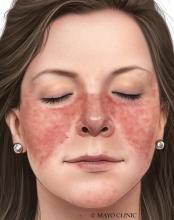
Lupus can be hard to diagnose because its symptoms often are like those of other illnesses. A common sign of lupus is a facial rash that looks like butterfly wings across both cheeks. The rash gets worse when in the sun. Many but not all people with lupus get this rash.
Some people are born more likely to get lupus. Infections, certain medicines or even sunlight can trigger the condition. There's no cure for lupus, but treatments can help manage symptoms.
Symptoms
How lupus shows up isn't the same for everyone who has it. Symptoms may start suddenly or slowly. They may be mild or serious, brief or lasting.
People with lupus may have flares. During flares, symptoms get worse for a while, then get better or go away for a time.
The symptoms of lupus depend on which body systems the condition affects. The most common symptoms include:
- Tiredness.
- Fever.
- Joint pain, stiffness and swelling.
- Butterfly-shaped rash on the face that covers the cheeks and bridge of the nose or rashes on other parts of the body that get worse when in the sun.
- Fingers and toes that turn white or blue when cold or during times of stress. This may be harder to see on Black or brown skin.
- Shortness of breath.
- Chest pain.
- Headaches, confusion and memory loss.
When to see a doctor
See your healthcare professional if you get a rash or other symptoms that worry you.
Causes
Experts don't know the cause of lupus. It's likely that genes and factors in the environment together cause lupus.
Certain factors trigger lupus in people who have the genetic changes that make them more likely to get the condition. Factors include:
- Sunlight. Being in the sun may trigger lupus skin rash or other lupus symptoms.
- Infections. Having an infection can start lupus or cause some people to have a flare.
- Medicines. Certain types of blood pressure medicines, anti-seizure medicines and antibiotics can trigger lupus. People who have this type of lupus often get better when they stop taking the medicine. Rarely, some people have symptoms even after stopping the medicine and need lupus treatment.
Risk factors
Factors that may raise your risk of lupus include:
- Sex. Lupus is more common in people assigned female at birth.
- Age. Lupus affects people of all ages. But it's most often diagnosed between the ages of 15 and 45.
- Race. Lupus is more common in people who are Black, Hispanic or Asian American.
Complications
The swelling and irritation, called inflammation, that lupus causes can affect all or some of the following:
- Kidneys. Lupus can damage kidneys. Kidney failure is one of the leading causes of death among people with lupus.
- Brain and central nervous system. If lupus affects your brain, you may have headaches, dizziness, behavior changes, vision issues, and even strokes or seizures. Many people with lupus have trouble with memory and thinking.
- Blood and blood vessels. Lupus may lead to blood issues. These may include a lower number of healthy red blood cells, called anemia, and a higher risk of bleeding or blood clotting.
- Lungs. Having lupus raises your risk of getting swelling and irritation, called inflammation, of the chest cavity lining. This can make breathing painful. Bleeding into the lungs and pneumonia also can happen.
- Heart. Lupus can cause swelling and irritation of your heart muscle, your arteries or heart membrane. Lupus also can raise the risk of heart attacks and other heart issues.
Other types of complications
Having lupus also increases your risk of:
- Infection. People with lupus are more likely to get infections. Both the condition and its treatments can weaken the immune system and lead to infections.
- Cancer. Having lupus seems to raise the risk of cancer. But the risk is small.
- Bone tissue death. This happens when a bone gets less blood. This can cause tiny breaks in the bone, which can cause the bone to collapse.
-
Pregnancy complications. Pregnant people with lupus have a higher risk of losing the pregnancy, called miscarriage. Lupus raises the risk of high blood pressure during pregnancy and of giving birth too early. To lower the risk of these complications, healthcare professionals often suggest waiting to get pregnant until the lupus is well managed.
Another choice is using medical techniques to protect being able to have children. Done before treatment, this is called fertility preservation.
Diagnosis
Diagnosing lupus is hard because symptoms vary from person to person. Also, symptoms of lupus may change over time. And they can be like those of other conditions.
No one test can diagnose lupus. A healthcare professional makes the diagnosis based on the results of blood and urine tests, symptoms, medical history and a physical exam.
Laboratory tests
Blood and urine tests may include:
- Complete blood count. This test measures the number of red blood cells, white blood cells and platelets, as well as the amount of hemoglobin, a protein in red blood cells. Results may show you have anemia, which is common in lupus. Lupus also may cause a low white blood cell or platelet count.
- Erythrocyte sedimentation rate (ESR). Also called sed rate, this blood test shows the amount of swelling and irritation, called inflammation, in the body. It measures the rate at which red blood cells settle to the bottom of a tube in an hour. A faster than standard rate may mean a condition linked with inflammation, such as lupus.
- C-reactive protein test (CRP). This is another blood test for measuring inflammation in the body.
- Kidney and liver tests. Blood tests can show how well your kidneys and liver work.
- Urine tests. A sample of your urine may show a higher protein level or red blood cells in the urine. This can happen if lupus affects your kidneys.
- Antinuclear antibody (ANA) test. This test can show this type of antibodies, which attack the body's own tissues. Most people with lupus have a positive ANA test, but most people with a positive ANA do not have lupus. If you have a positive ANA test, you may need more testing.
Imaging tests
If lupus may be affecting your lungs or heart, you may have the following tests:
- Chest X-ray. An image of your chest may show shadows that suggest fluid or swelling and irritation, called inflammation, in your lungs.
- Echocardiogram. This test uses sound waves to show pictures of your beating heart. It can check for issues with your valves, heart function and other parts of your heart.
Biopsy
Lupus can harm your kidneys in many ways. Treatment may depend on the type of swelling and irritation, called inflammation, and damage. Sometimes, testing a small sample of kidney tissue can help show what the best treatment might be. A healthcare professional gets the sample with a needle guided by ultrasound.
Sometimes, a healthcare professional takes a sample of skin for study. This can confirm a diagnosis of lupus that affects the skin.
Treatment
Treatment for lupus depends on your symptoms. Talk with your healthcare professional about the pros and cons of treatment and what medicines might work for you.
As your symptoms flare and get better, you may need to change medicines or dosages. The medicines used most often to manage lupus include:
-
Nonsteroidal anti-inflammatory drugs (NSAIDs). NSAIDs that you get without a prescription can treat pain, swelling and fever linked with lupus. NSAIDs include naproxen sodium (Aleve) and ibuprofen (Advil, Motrin IB, others).
Your healthcare professional can prescribe stronger NSAIDs, if needed. Side effects of NSAIDs may include stomach bleeding, kidney damage and a higher risk of heart issues.
-
Antimalarial drugs. Medicines mainly used to treat malaria, such as hydroxychloroquine (Plaquenil, Sovuna), can help treat lupus and lower the risk of lupus flares. People with lupus often take them for years. Side effects may include stomach upset.
Rarely, these medicines can damage the retina of the eye. Have regular eye exams while taking these medicines.
- Corticosteroids. Prednisone and other types of corticosteroids can help the swelling and irritation, called inflammation, of lupus. Side effects include weight gain, easy bruising, thinning bones, high blood pressure, diabetes and higher risk of infection. The risk of side effects rises with higher doses and longer use.
-
Immunosuppressants. People with lupus may need to use medicines that suppress the immune system. Examples include azathioprine (Imuran, Azasan), mycophenolate (Cellcept), methotrexate (Trexall, Xatmep, others), cyclosporine (Sandimmune, Neoral, Gengraf) and leflunomide (Arava). Side effects may include a higher risk of infection, liver damage, being less fertile and a higher risk of cancer.
A newer immunosuppressant, voclosporin (Lupkynis), treats lupus that affects the kidneys. Anifrolumab-fnia (Saphnelo) is another newer medicine for treating lupus.
-
Biologics. You get this medicine, belimumab (Benlysta), through a vein. Side effects include upset stomach, loose stools and infections. Rarely, it can make depression worse.
Rituximab (Rituxan, others) may help some people for whom other medicines haven't worked. Side effects include an allergic reaction and infections.
Self care
There are things you can do to help prevent lupus flares or to cope with the symptoms you have during a flare. Try to:
- Have regular checkups. Don't wait until your symptoms get worse. Having regular checkups may help prevent flares and help you with health concerns, such as stress, diet and exercise, that can lead to lupus complications.
- Be sun smart. Because sunlight can set off a flare, wear clothing that protects you when you're in the sun. This includes a hat, long-sleeved shirt and long pants. Use sunscreen with a sun protection factor (SPF) of at least 55 every time you go outside.
- Get regular exercise. Exercise can help keep your bones strong, lower your risk of heart attack and help you feel better overall.
- Don't smoke. Smoking raises your risk of heart disease. Smoking can make the effects of lupus on your heart and blood vessels worse.
- Eat a healthy diet. A healthy diet focuses on fruits, vegetables and whole grains. You may need to restrict your diet if you have high blood pressure, kidney damage or stomach issues.
- Ask your healthcare professional about vitamin D and calcium supplements. Some studies suggest that taking vitamin D may help people with lupus. A calcium supplement can help you meet the daily 1,000 milligrams to 1,200 milligrams suggested for your age. This can help keep your bones healthy.
Alternative medicine
Sometimes people with lupus seek alternative or complementary medicines. None has been shown to affect the course of lupus. But you may find that some help with symptoms.
Talk with your healthcare professional before trying any of these treatments about the pros and cons and to find out if the treatments might get in the way of your lupus medicines.
Complementary and alternative treatments for lupus include:
- Dehydroepiandrosterone (DHEA). Taking supplements that have this hormone with regular treatment may help cut lupus flares.
- Fish oil. Fish oil supplements have omega-3 fatty acids that may help people with lupus. Early studies found some promise, but fish oil needs more study. Side effects of fish oil supplements can include upset stomach, burping and a fishy taste in the mouth.
- Acupuncture. This therapy uses tiny needles put just under the skin. It may help ease the muscle pain linked with lupus.
Coping and support
Living with lupus raises your risk of depression, anxiety, stress and low self-esteem. To help you cope, try to:
- Learn all you can about lupus. Ask your healthcare team any questions you have about lupus. Also ask where to find other good sources. Knowing about lupus can help you feel better about your treatment choices.
- Turn to friends and family for support. Talk about lupus with your friends and family. Tell them ways they can help you when you have flares. Tell them when you're having a bad day so that they can help.
- Take time for yourself. This can help you cope with stress. Take time to read, meditate, listen to music or write in a journal. Do things that calm and renew you.
- Talk with others who have lupus. You can connect through support groups near you or through online message boards. Talking with others who have challenges like yours can give you comfort, support and ideas about coping with lupus.
Preparing for your appointment
You may start by seeing your main healthcare professional, who may refer you to a specialist in autoimmune conditions, called a rheumatologist.
Because the symptoms of lupus are like those of so many other conditions, your healthcare team must rule out other illnesses before diagnosing lupus. Depending on your symptoms, you may need to see other specialists to help with diagnosis and treatment.
What you can do
Before your appointment, make a list of:
- Your symptoms, when they began and what triggers them.
- Your medical history, including other conditions you have. List family members who had lupus or other autoimmune conditions.
- Medicines, vitamins and supplements you take, including dosages.
- Questions to ask your healthcare team.
Questions to ask might include:
- What might be causing my symptoms?
- What tests do I need?
- Are there treatments or lifestyle changes that might help my symptoms now?
- Should I see a specialist?
Be sure to ask all the questions you have.
What to expect from your doctor
Your healthcare team may ask:
- Does being in the sun cause you to get skin rashes?
- Do your fingers become pale, numb or painful in the cold?
- How much do your symptoms get in the way of school, work or relationships?
- Are you pregnant or do you plan to become pregnant?
© 1998-2026 Mayo Foundation for Medical Education and Research(MFMER). All rights reserved. Terms of Use