
Lymphedema
Conditions
Overview
Lymphedema is swelling that happens when fluid builds up in body tissue. This fluid is rich in protein and is usually drained through the body's lymphatic system. The lymphatic system is a network of vessels and lymph nodes that helps drain fluid and fight infection. When this system is damaged or blocked, the fluid cannot drain properly. This causes swelling.
However, not all swelling is caused by lymphedema. Swelling also can happen for other reasons, such as infection, injury, blood clots, heart failure, kidney disease or issues with veins.
Lymphedema most often affects the arms or legs, but it also can occur in the chest wall, belly, neck or genitals.
Cancer treatments that remove or damage lymph nodes are a common cause of lymphedema. Other blockages or injuries to the lymphatic system also can lead to the condition. Lymphedema can run in families or can happen without a known reason.
Severe lymphedema can make it hard to move the affected arm or leg. It also can increase the risk of skin changes, skin infections and skin breakdown. Rarely, it can cause other infections or sepsis. Treatment may include a special type of massage that helps push fluid out of the swollen area. Treatment also may include compression bandages, compression garments, pneumatic pumps and careful skin care. Rarely, you may need surgery to remove swollen tissue or create new drainage paths.
Symptoms
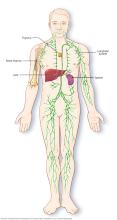
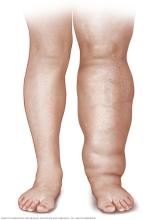
Common symptoms of lymphedema include:
- Swelling in part or all of an arm or a leg, including fingers or toes.
- A feeling of heaviness, tightness or fullness in the affected areas.
- Limited movement or stiffness.
- Repeated skin infections.
- Skin that becomes hard or thick. This condition is called fibrosis.
Symptoms can range from mild to serious. Lymphedema related to cancer treatment may not appear until months or even years after treatment.
When to see a doctor
Contact your healthcare professional if you have lasting swelling in your arm or leg or in another part of your body. If you already have lymphedema, see your healthcare professional right away if the swelling suddenly increases or worsens. See your healthcare professional right away if you have a fever and an area of redness or a change in skin color in the limb with lymphedema. Infections need to be treated quickly.
Causes
The lymphatic system is a network of vessels and lymph nodes that helps remove extra fluid and waste from tissue. It also plays an important role in the immune system by fighting infections and diseases. Lymph nodes act as filters that trap harmful substances. And they contain cells that fight infection and cancer.
Lymph fluid typically moves through the lymphatic system via thin tubes called lymph vessels. It moves as your muscles tighten and relax during everyday activities, such as walking or stretching. The walls of the lymph vessels also have tiny pumps that help keep the fluid moving.
Lymphedema happens when these vessels are damaged or blocked and can't drain the fluid properly. The fluid then builds up in the tissues, usually in an arm or a leg, causing swelling.
The most common causes of lymphedema include:
- Cancer. Tumors can block lymph vessels or nodes, preventing fluid from draining.
- Radiation treatment for cancer. Radiation can cause scarring and inflammation that damage lymph vessels or nodes.
- Surgery. Removing lymph nodes during cancer surgery can disrupt fluid flow. But this doesn't always lead to lymphedema.
- Parasites. In tropical regions, threadlike worms can block lymph nodes, causing swelling.
Sometimes, lymphedema is something a person is born with. This is rare. It happens when the lymphatic system doesn't develop or work as it should. Symptoms can happen at any age and may not be present at birth. Sometimes, lymphedema runs in families.
Risk factors
Certain factors can raise your chance of having lymphedema. You may be more likely to get it if you:
- Had surgery that removed or damaged lymph nodes.
- Received radiation therapy, especially near lymph nodes.
- Have or had cancer, particularly breast, pelvic or prostate cancer.
- Have or had a tumor that blocks lymph flow.
- Are older.
- Are overweight or have obesity.
- Have rheumatoid arthritis or psoriatic arthritis.
- Have a family history of lymphedema or an inherited lymphatic condition.
Complications
Possible complications of lymphedema include:
- Skin infections, called cellulitis. Excess fluid allows germs to grow. Even a small cut can lead to infection, causing redness or a change in skin color, warmth, pain, and swelling. Fungal infections between your toes can cause skin cracks that can lead to infection. Your healthcare professional may give you antibiotics to start quickly if symptoms appear.
- Sepsis. If cellulitis isn't treated right away, the infection can spread to the bloodstream, leading to sepsis — a life-threatening condition that needs emergency care.
- Fluid leakage. Severe swelling can cause lymph fluid to leak or form blisters on the skin.
- Skin changes. In some people with severe lymphedema, the skin may become very thick and hard.
- Cancer. A rare form of soft tissue cancer can result from severe lymphedema that isn't treated. This is uncommon.
Diagnosis
If you're at risk of lymphedema — for example, if you've had cancer surgery that took out or damaged your lymph nodes — your healthcare professional may diagnose it based on your symptoms and a physical exam.
If the cause of your lymphedema isn't clear, your healthcare professional may order imaging tests to look at your lymphatic system. These tests can show whether there are blockages or damage. Common tests include:
- MRI scan. During an MRI scan, magnets and radio waves create detailed 3D images of the tissues.
- CT scan. A CT scan uses X-rays to make detailed images that can show blockages in the lymph system.
- Ultrasound. In this test, sound waves create images of structures inside the body and can help detect blockages in other vessels. But ultrasound cannot show the lymphatic vessels.
- Lymphoscintigraphy. This test involves injecting a small amount of radioactive tracer, then recording images to track how the tracer moves through the lymph vessels. This helps find areas where the fluid flow is blocked.
Treatment
Lymphedema can't be cured, but treatment can help reduce swelling, improve comfort and prevent complications.
Medications
People with lymphedema are more likely to get skin infections such as cellulitis. Your healthcare professional may give you antibiotics to keep on hand so you can start taking them right away if you have symptoms of infection.
A fungal infection between your toes, commonly called athlete's foot, can lead to skin cracks. These cracks can allow germs to enter the body and cause cellulitis. If you have redness, itchiness or scaling between your toes, make sure you dry between the toes thoroughly after showering or bathing. Promptly treat the infection using an antifungal ointment you can buy without a prescription.
Therapy
Specialized lymphedema therapists can teach you techniques and provide equipment to help manage swelling. Common treatments include:
- Exercises. Gentle movements that help the muscles contract can push excess fluid out of the swollen area.
- Manual lymph drainage. This light massage technique helps move trapped fluid toward areas with working lymph vessels. You should not try manual lymph drainage if you have a skin infection, blood clots or active cancer in the affected area.
- Compression bandages. Wrapping the entire limb with low-stretch bandages helps fluid flow back toward the body's center.
- Compression garments. Snug elastic sleeves or stockings apply pressure to the arm or leg to help drain fluid. A prescription and professional fitting are often needed to ensure proper compression.
- Sequential pneumatic compression. A special sleeve connected to a pump inflates and deflates in cycles, gently moving lymph fluid away from the fingers or toes.
Surgical and other procedures
Surgery may be an option for some people when lymphedema doesn't get better with other treatments. However, surgery isn’t right for everyone. A healthcare professional at a specialized center needs to carefully evaluate your condition to see whether surgery is possible and likely to help.
- Transplanting lymph nodes. Working lymph nodes are taken from another part of the body and connected to the lymph vessels in the affected limb. This can improve drainage and reduce the need for compression therapy in early stages.
- Creating new drainage paths. Surgeons can connect lymph vessels to nearby blood vessels. This allows fluid to drain through the bloodstream instead of the blocked lymph system.
- Removing hardened tissue. For serious lymphedema, fibrous or thickened tissue may be removed to improve movement and comfort. This can be done through liposuction or, when lymphedema is very advanced, by surgically removing hardened skin and tissue.
Lifestyle and home remedies
To lower your risk of complications from lymphedema, take steps to protect the affected arm or leg from injury. Even small cuts, scrapes or burns can lead to infection. Be careful around sharp objects. For example:
- Use an electric razor instead of a regular one.
- Wear gloves when gardening or cooking.
- Use a thimble when sewing.
Coping and support
Living with lymphedema can be frustrating, especially since there's no cure. However, you can take steps to manage your condition and protect your health.
Try the following:
- Learn about lymphedema. Understanding the condition and its causes can help you communicate better with your healthcare team.
- Care for your affected limb. Wash and dry it every day. Check for cuts, cracks or signs of infection. Use lotion to keep your skin soft. If you have lymphedema in your foot, dry very carefully between your toes. Change your socks often to help prevent fungal infections.
- Take care of your overall health. Eat plenty of fruits and vegetables, exercise if possible, manage stress, and get enough sleep. Good overall health helps your body heal and gives you more energy.
- Connect with others. Join a support group or an online community for people living with lymphedema. Sharing experiences can help you feel less alone and more encouraged.
Preparing for an appointment
To make the most of your visit with your healthcare professional, it helps to plan ahead.
What you can do
Take a list of the following:
- Your symptoms, even those that don't seem related to the reason for your appointment.
- Key personal information, such as major illnesses, injuries, cancer treatments and recent life changes.
- All medicines, vitamins and supplements you take.
- Questions you want to ask your healthcare professional.
For lymphedema, good questions to ask include:
- What's the most likely cause of my swelling?
- Could something else be causing it?
- What tests do I need, and how should I prepare for them?
- Will the swelling go away in time?
- What treatments are available?
- Are there alternatives to the treatment you're suggesting?
- Are there medicines that can help with swelling?
- How can I manage lymphedema with my other health conditions?
- Do I need to change my diet or activity level?
- Do you have printed materials or website recommendations where I can learn more?
Don't hesitate to ask any other questions that come to mind.
What to expect from the doctor
Your healthcare professional may ask questions such as:
- When did the swelling start?
- Did it happen after surgery, an injury, or radiation therapy or after starting new medicine?
- Do you have any other symptoms?
- Do you have swelling all the time or does it come and go?
- What makes the swelling better or worse?
- What treatments have you tried, and did they help?
What you can do in the meantime
- Keep the swollen limb raised as much as possible.
- Protect your skin from cuts, burns and irritation.
- Avoid heating pads on the affected area — swelling can reduce your ability to feel pain and increase the risk of burns.
- Apply moisturizer daily to prevent dry or cracked skin.
© 1998-2026 Mayo Foundation for Medical Education and Research(MFMER). All rights reserved. Terms of Use