
Microscopic colitis
Conditions
Overview
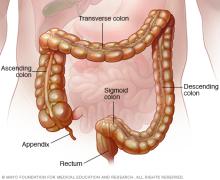
Microscopic colitis is a condition where the large intestine, also called the colon, looks healthy but shows changes when viewed under a microscope. These changes cause frequent, watery diarrhea.
It's not clear what causes microscopic colitis. Factors linked to the condition may have some effect in causing, triggering or worsening the condition.
Microscopic colitis is more common among women and older adults.
Treatments include medicines to improve symptoms. Changes in diet and lifestyle habits also may help.
Symptoms
The main symptom of microscopic colitis is frequent watery diarrhea without blood. People with the condition often have multiple stools a day.
The bouts of frequent diarrhea may begin gradually or suddenly. Diarrhea usually continues daily without treatment. New rounds of symptoms can return even after successful treatment.
Other signs and symptoms may include:
- Diarrhea at night.
- Accidentally passing stool.
- Sudden urge to pass stool.
- Belly pain.
- Extreme tiredness.
- Weight loss.
Frequent diarrhea can cause dehydration, which is low levels of fluids and important minerals in the body. Signs and symptoms of dehydration include:
- Dark-colored urine.
- Urinating less than usual.
- Extreme thirst or dry mouth.
- Tiredness, lightheadedness or fainting.
- Sunken eyes or cheeks.
When to see a doctor
Many different conditions can cause diarrhea. If you have watery diarrhea that lasts more than a few days, make an appointment with your healthcare professional.
Causes
It's not clear what causes microscopic colitis. Several factors linked to the condition may have some effect in causing, triggering or worsening the condition. They include the following:
- Autoimmune diseases are irregular immune system conditions in which the immune system attacks healthy tissues. Autoimmune diseases that may be linked to microscopic colitis include celiac disease, rheumatoid arthritis, type 1 diabetes and Crohn's disease.
- Medicines that may be related to microscopic colitis include:
- Certain pain relievers, such as aspirin, ibuprofen (Advil, Motrin IB, others) and naproxen sodium (Aleve).
- Treatments for excess stomach acid called proton pump inhibitors (PPIs), including lansoprazole (Prevacid), esomeprazole (Nexium), omeprazole (Prilosec) and others.
- Treatments for depression called selective serotonin reuptake inhibitors (SSRIs), including escitalopram (Lexapro), fluoxetine (Prozac), sertraline (Zoloft) and others.
- Treatments for high cholesterol called statins, including atorvastatin (Lipitor), lovastatin (Altoprev), simvastatin (Zocor) and others.
- Infections in the digestive tract may be a contributing factor in some people.
- Bile acids, which play a role in the digestion of certain fats, sometimes aren't absorbed and recycled correctly, possibly contributing to changes in the colon.
Microscopic colitis is an inflammatory condition. Inflammation is typically the immune system's reaction to disease or injury and is part of the healing process. But some conditions cause long-term inflammation that can damage tissues and affect how they work.
Risk factors
Factors than increase the risk of microscopic colitis include:
- Older age.
- Female sex.
- Family history of microscopic colitis.
- Alcohol use.
- Smoking.
Complications
Frequent diarrhea has an impact on the overall quality of life. It can affect the ability to work and be involved in recreational and social activities.
Microscopic colitis does not increase the risk of colon cancer, unlike some other inflammatory diseases of the colon.
Diagnosis
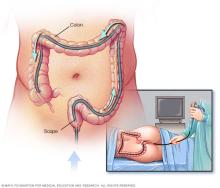
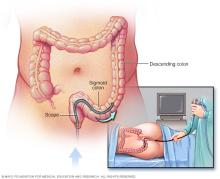
Many conditions can cause diarrhea. A diagnosis of microscopic colitis depends on a physical exam, a history of illness or exposure to others with illness, and a number of tests. Some of these tests are to look for other possible causes of diarrhea.
Laboratory tests of blood samples and stool samples will look for signs of:
- Bacterial or parasitic infections.
- Irregular immune system activity.
- Irregular function of organs in the digestive system.
Colonoscopy
This exam allows your healthcare professional to view your colon using a thin, flexible, lighted tube with an attached camera, called a colonoscope. The camera sends pictures of your rectum and entire colon to a monitor.
Microscopic colitis often doesn't change the appearance of the lining of the colon. But the colonoscopy may show other causes of the symptoms.
In a variation of this procedure, called a flexible sigmoidoscopy, the doctor views the rectum and part of the colon on the left side of the body.
Biopsy
During a colonoscopy or flexible sigmoidoscopy, the doctor also uses an instrument to remove tiny samples of tissue from different sites in the colon. This procedure is called a biopsy.
The samples are sent to a lab. Specialists use microscopic tools to look for changes in tissues and signs of immune system activity that are present with microscopic colitis.
What a diagnosis means
A diagnosis of microscopic colitis will have one of three possibilities:
- Collagenous colitis. Collagen fibers are protein structures that help give shape to and support the lining of the intestine. In collagenous colitis, a thick layer of collagen fibers can be observed in a tissue sample under a microscope.
- Lymphocytic colitis. In this form of the condition, there is a high level of immune system white blood cells called lymphocytes in the lining of the colon.
- Incomplete microscopic colitis. This is when there are signs of either collagenous colitis or lymphocytic colitis. But the degree of change is not enough to make a diagnosis of these conditions. These signs also may suggest another inflammatory disease.
Treatment
The treatment goals are to relieve symptoms of microscopic colitis and improve the person's quality of life. Treatment most often starts with the simplest treatments that are least likely to cause side effects.
Treatments are the same for collagenous colitis and lymphocytic colitis. Incomplete microscopic colitis may improve with some of the same treatments.
First steps
First steps to improve symptoms may include the following:
- Stop taking medicines that may be causing or worsening diarrhea
- Switch to another medicine if possible.
- Stop smoking if you smoke.
- Do not eat high-fiber foods in the short term to improve diarrhea.
- Do not eat dairy, fatty foods, sugar, sweeteners, caffeine and alcohol, which can make diarrhea worse.
Medicines
Medicines to treat microscopic colitis include:
- Antidiarrheal medicines, such as loperamide (Imodium A-D) or bismuth subsalicylate (Pepto-Bismol), may be enough to treat mild symptoms. These medicines also may be used in addition to other prescription medicines. Antidiarrheals are often taken at bedtime to prevent nighttime diarrhea.
- Medicines that block bile acids, such as cholestyramine (Locholest, Prevalite) or colestipol (Colestid), may be used to treat mild diarrhea and may be combined with another medicine.
- Budesonide (Entocort EC, Tarpeyo, others) is a steroid that may reduce inflammation in the colon. This medicine may be taken for several weeks with doses lowered over time. Severe cases may require long-term use of a low dose.
- Immunomodulators are drugs that can help control immune system activity that causes inflammation. These may be used if symptoms do not improve with the use of budesonide. Immunomodulators used to treat microscopic colitis include azathioprine (Azasan, Imuran) and mercaptopurine (Purinethol, Purixan).
- Biologic medicines, which are made from living cells, include some that treat inflammation and autoimmune diseases. These include adalimumab (Humira), infliximab (Remicade), vedolizumab (Entyvio) and variant forms of these biologics. One of these may be used when budesonide treatment isn't working.
Surgery
Very rarely, when the symptoms of microscopic colitis are serious and medicines don't work, your healthcare professional may suggest surgery to remove all or part of your colon.
Lifestyle and home remedies
Diet
These changes to your diet may help improve diarrhea and keep you hydrated:
- Drink plenty of fluids. Drink water or water with added electrolytes. Try drinking broth or watered-down fruit juice with no pulp. Don't drink beverages with added sugar, sweeteners, caffeine or alcohol.
- Choose soft, easy-to-digest foods. These include applesauce, bananas, melons and rice. Eat only well-cooked vegetables.
- Do not eat high-fiber foods. When you have diarrhea, don't eat high-fiber foods, such as whole grains, nuts, beans, broccoli, cabbage and Brussels sprouts. When symptoms improve, you can slowly add high-fiber foods back to your diet. Talk to your healthcare professional about reintroducing these healthy foods.
- Eat several small meals. Spacing small meals throughout the day, rather than three larger meals, may ease diarrhea.
- Do not eat irritating foods. Stay away from spicy, fatty or fried foods, and any other foods that make your symptoms worse.
Coping and support
Skin care
You can help prevent discomfort from diarrhea by keeping the skin around your anus as clean and dry as possible. To relieve discomfort:
- Use unscented wipes. Use scent-free, alcohol-free wipes instead of dry toilet paper after passing stool.
- Wash with water. Gently wash the area around the anus with water and scent-free soap after passing stool. Showering or soaking in a bath also may help.
- Dry thoroughly. Allow the area to air-dry, if possible. If you're short on time, you can gently pat the area dry with toilet paper or a clean washcloth.
- Apply a cream or powder. Moisture-barrier creams help keep irritated skin from having direct contact with feces. Be sure the area is clean and dry before you apply any cream. Nonmedicated talcum powder or cornstarch also may help relieve anal discomfort.
Fecal incontinence
Symptoms of microscopic colitis may include accidentally passing stool, called fecal incontinence, or a sudden urge to pass stool. These tips may help you manage, particularly as diarrhea symptoms improve and you are able to return to typical activities:
- Wear a pad or a disposable undergarment.
- Carry supplies for cleaning up and a change of clothing with you.
- Know where toilets are located before you need them. This can help you get to them quickly.
Preparing for an appointment
Here's some information to help you get ready for your appointment.
What you can do
- Be aware of anything you shouldn't do before your appointment. This might include eating solid food on the day before your appointment.
- Write down your symptoms, including when they started and how they have changed or worsened over time.
- Make a list of all your medicines, vitamins or supplements, as well as the doses and the reason for taking each one.
- Write down your key medical information, including other conditions you have. Also note if you have been in a hospital in the last few months.
- Write down key personal information, including any recent changes or stressors in your life. Include details of your daily diet, including whether you usually use caffeine and alcohol.
- Write down questions to ask your healthcare professional.
Bring a family member or friend to your appointment to help take notes.
Questions to ask your doctor
Some basic questions to ask your healthcare professional include:
- What is most likely causing the diarrhea?
- What kinds of tests do I need?
- What treatments can help?
- Can the medical conditions I have or medicines I'm taking cause diarrhea and other symptoms?
- What foods and drinks should I avoid?
Don't hesitate to ask questions anytime you don't understand something.
What to expect from your doctor
Your healthcare professional is likely to ask you:
- When did your symptoms begin?
- Have your symptoms been ongoing, or do they come and go?
- How many loose stools are you having each day?
- Have you had diarrhea during the night?
- How would you rate your pain on a scale of 1 to 10?
- Has there been blood in your stools?
- Have you lost any weight?
- Have you traveled recently?
- Is anyone else sick at home with diarrhea?
- Have you been to a hospital or taken antibiotics in the last few months?
- Does anything make your diarrhea worse, such as certain foods?
- When did you start taking each of your medicines, vitamins or supplements?
- What do you eat in a typical day?
- Do you use caffeine or alcohol? How much?
- Do you have celiac disease? If so, are you eating a gluten-free diet?
- Do you have diabetes or thyroid disease?
© 1998-2026 Mayo Foundation for Medical Education and Research(MFMER). All rights reserved. Terms of Use