
Nonallergic rhinitis
Conditions
By Mayo Clinic Staff
Overview
Nonallergic rhinitis is a condition that involves sneezing or a stuffy, drippy nose. It can be a long-term condition, and it has no clear cause. The symptoms are like those of hay fever, also called allergic rhinitis. But allergies do not cause nonallergic rhinitis.
Nonallergic rhinitis can affect children and adults. But it's more common after age 20. Factors that trigger symptoms vary from person to person. The triggers can include:
- Dust, fumes and other irritants in the air.
- Weather changes.
- Medicines.
- Hot or spicy foods.
- Long-term health conditions.
Healthcare professionals often first make sure a person's symptoms aren't caused by allergies. So you may need skin or blood tests to find out if you have allergic rhinitis.
Symptoms
Nonallergic rhinitis symptoms often come and go year-round. Your symptoms might include:
- Stuffy or runny nose.
- Sneezing.
- Mucus in the throat.
- Cough.
Nonallergic rhinitis most often doesn't cause an itchy nose, eyes or throat. These symptoms typically happen with allergies such as hay fever.
When to see a doctor
See your healthcare professional if you:
- Have serious symptoms.
- Haven't gotten relief from home remedies or medicines you bought without a prescription.
- Have side effects from medicines.
Causes
The exact cause of nonallergic rhinitis is not known.
But experts do know that nonallergic rhinitis happens when blood vessels in the nose expand. These blood vessels fill the tissue that lines the inside of the nose. Many things could cause this. For instance, the nerve endings in the nose might react to triggers too easily.
But any cause brings on the same result: swelling inside the nose, congestion or lots of mucus.
Triggers of nonallergic rhinitis can include:
- Irritants in the air. These include dust, smog and cigarette smoke. Strong odors, such as perfumes, also can cause symptoms to start. So can chemical fumes, including fumes some workers might get exposed to at their jobs.
- Weather. Changes in temperature or humidity can trigger swelling in the lining of the nose. This can cause a runny or stuffy nose.
- Infections. Illnesses caused by a virus often cause nonallergic rhinitis. These include a cold or the flu.
- Foods and drinks. Nonallergic rhinitis can happen when you eat. Hot or spicy foods are the main triggers. Drinking alcohol also can cause the tissue that lines the inside of the nose to swell. This can lead to a stuffy nose.
- Some medicines. These include aspirin and ibuprofen (Advil, Motrin IB, others). High blood pressure medicines, such as beta blockers, also can cause symptoms.
Medicines that have a calming effect, called sedatives, can trigger nonallergic rhinitis too. So can medicines for depression. Birth control pills and medicines that treat erectile dysfunction also can trigger the symptoms. And using decongestant nose spray or drops too often can cause a type of nonallergic rhinitis called rhinitis medicamentosa.
- Hormone changes. These can be due to pregnancy, periods or birth control use. Hormone problems that may trigger nonallergic rhinitis include a condition that happens when the thyroid gland doesn't make enough thyroid hormone. This is called hypothyroidism.
- Issues linked with sleep. Lying on your back while you sleep can trigger nonallergic rhinitis. Acid reflux that happens overnight also can be a trigger.
Risk factors
Things that can make you more likely to get nonallergic rhinitis include:
- Breathing in some types of unclean air. Smog, exhaust fumes and tobacco smoke are a few of the things that can raise the risk of nonallergic rhinitis.
- Being older than age 20. Most people who get nonallergic rhinitis are 20 or older. That makes it different from allergic rhinitis, which often starts before age 20.
- Using nose sprays or drops for a long time. Don't use store-bought decongestant drops or sprays, such as oxymetazoline (Afrin, Dristan, others), for more than a few days. A stuffy nose or other symptoms might get worse when the decongestant wears off. This is often called rebound congestion.
- Getting pregnant or having periods. Congestion in the nose often gets worse during these times due to hormone changes.
- Being exposed to fumes at work. In some lines of work, fumes from supplies can cause nonallergic rhinitis. Some common triggers include construction materials and chemicals. Fumes from compost also can be a trigger.
- Having some health conditions. Some long-term health conditions can cause nonallergic rhinitis or make it worse. An example is a condition that happens when the thyroid gland doesn't make enough thyroid hormone. This is called hypothyroidism.
Complications
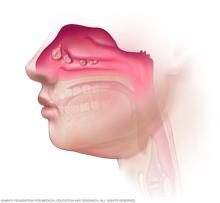
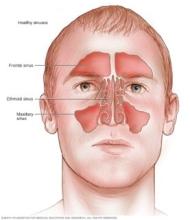
Nonallergic rhinitis might be linked to:
- Nasal polyps. These are soft growths that form on the tissue that lines the inside of the nose. Polyps also can form on the lining of the spaces inside the nose and head, called sinuses. Swelling, also known as inflammation, causes polyps. They're not cancer. Small polyps might not cause problems. But larger ones can block airflow through the nose. That makes it hard to breathe.
- Sinusitis. This is swelling of the sinuses. Long-term congestion in the nose due to nonallergic rhinitis can raise the risk of sinusitis.
- Trouble with daily life. Nonallergic rhinitis might affect how well you can do things at work or school. You also might need to take time off when your symptoms flare or when you need a checkup.
Prevention
If you have nonallergic rhinitis, take steps to ease your symptoms and prevent flare-ups:
- Identify your triggers. Find out what triggers cause your symptoms or make them worse. That way you can stay away from them. Your healthcare professional can help you learn what triggers cause your symptoms.
- Don't use decongestant nose sprays or drops for too long. Using these medicines for more than a few days at a time can make your symptoms worse.
- Get treatment that works. If you've tried a medicine that doesn't help enough, talk with your healthcare professional. You may need a change to your treatment plan to prevent or ease your symptoms.
Diagnosis
Your healthcare professional will likely give you a physical exam and ask you about your symptoms. You'll likely need tests to find out whether something other than nonallergic rhinitis is causing your symptoms.
You may have nonallergic rhinitis if:
- You have a stuffy nose.
- Your nose runs or mucus drips down the back of your throat.
- Tests for other health conditions don't find causes such as allergies or a sinus condition.
Your healthcare professional might have you try a medicine to see whether your symptoms get better.
Checking for allergies
Allergies often cause symptoms such as sneezing and a stuffy, runny nose. You may have some tests to help make sure that allergies are not the cause of your symptoms. You also may need skin or blood tests.
- Skin test. A health professional pricks the skin and exposes it to tiny bits of common allergens found in the air. These include dust mites, mold, pollen, and cat and dog dander. If you're allergic to any of these, you'll likely get a raised bump where your skin was pricked. If you're not allergic, your skin won't have changes.
- Blood test. A lab can test a sample of your blood to find out whether you have an allergy. The lab checks for higher levels of proteins called immunoglobulin E antibodies. These can release chemicals that cause allergy symptoms.
Sometimes, both allergic and nonallergic triggers may cause symptoms.
Checking for sinus conditions
Your healthcare professional also wants to find out whether your symptoms are due to a sinus condition. You might need an imaging test to check your sinuses.
- Nasal endoscopy. This test checks the sinuses with a thin tool that has a camera on the end. The tool is called an endoscope. A health professional passes the endoscope through the nostrils to look inside the nose.
- CT scan. This test uses X-rays to make images of the sinuses. The images are more detailed than those made by typical X-ray exams.
Treatment
Treatment of nonallergic rhinitis depends on how much it bothers you. Home treatment and staying away from triggers might be enough for mild symptoms. Medicines may ease more-severe symptoms. Medicines include:
- Saline nose sprays and nasal irrigation. Saline is a mixture of salt and water. Saline nose spray helps moisturize the nose. It also helps thin mucus and soothes the tissue that lines the inside of the nose. You can buy saline nose spray off the shelf at stores. But a home remedy known as nose irrigation might work even better. It involves using a large amount of saline or a saltwater mixture to help clean out irritants and mucus.
- Antihistamine nasal sprays. Antihistamines treat many health conditions, including allergies. An antihistamine nose spray may ease the symptoms of nonallergic rhinitis too. Your healthcare professional may write you a prescription that lets you buy this type of spray at a pharmacy. These sprays include azelastine (Astepro, Astepro Allergy) or olopatadine hydrochloride (Ryaltris).
Antihistamines taken by mouth often don't work as well for nonallergic rhinitis as they do for allergic rhinitis. These antihistamines include diphenhydramine (Benadryl), cetirizine (Zyrtec Allergy), fexofenadine (Allegra Allergy) and loratadine (Alavert, Claritin).
- Ipratropium nose spray. This prescription spray can ease a runny, drippy nose. Side effects can include nosebleeds and dryness inside the nose.
- Decongestants. These medicines help narrow the blood vessels in the nose and lessen congestion. Side effects can include high blood pressure, heart pounding and feeling restless. You can buy decongestants with or without a prescription. Examples include medicines that have pseudoephedrine (Sudafed 24 Hour) and phenylephrine.
- Steroids. These medicines help prevent and treat swelling linked with some types of nonallergic rhinitis. Side effects can include a dry nose or throat, nosebleeds, and headaches. Your healthcare professional may suggest a steroid nose spray if decongestants or antihistamines don't control your symptoms. Steroid sprays that you can buy off the shelf include fluticasone (Flonase Allergy Relief) and triamcinolone (Nasacort Allergy 24 Hour). Your health professional also can prescribe stronger steroid sprays.
Your healthcare professional may suggest surgery to treat other complications that can happen with nonallergic rhinitis. For example, treatment can include removal of growths in the nose called polyps. Surgery also can fix a condition in which the thin wall between the passages in the nose is off-center or crooked. This is called a deviated septum.
Self-care
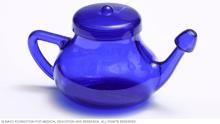
Try these tips to ease the symptoms of nonallergic rhinitis:
- Rinse the inside of the nose. Flushing out the nose with saline or a homemade saltwater mixture can help. It works best when you do it daily. You can put the mixture into a bulb syringe or a container called a neti pot. Or you could use the squeeze bottle included in saline kits.
To prevent illnesses, use water that's distilled, sterile, boiled and cooled, or filtered. If you filter tap water, use a filter with a pore size of 1 micron or smaller. Rinse the device after each use with the same type of water. Leave the device open to air-dry.
- Gently blow your nose. Do this often if you have a lot of mucus.
- Add moisture to the air. If the air in your home or office is dry, set up a humidifier device where you work or sleep. Follow the device's instructions on how to clean it.
Or you could breathe in the steam from a warm shower. This helps loosen mucus in the nose. It also makes the head feel less stuffy.
- Drink liquids. Sip plenty of water, juice and caffeine-free tea. This can help loosen the mucus in the nose. Stay away from drinks that have caffeine.
Alternative medicine
Some small studies of nonallergic rhinitis have looked into treatment with the substance that gives hot peppers their heat, called capsaicin. These studies suggest that using capsaicin inside the nose can ease congestion. But it also can irritate the nose and cause side effects such as burning, sneezing and coughing. More research is needed to find out how much capsaicin to use and for how long.
Some studies also have looked at an alternative treatment in which a health professional places thin, sterile needles in the body. This is called acupuncture. Acupuncture has been used to ease pain and other symptoms. But some experts don't suggest using acupuncture for nonallergic rhinitis.
Preparing for your appointment
If you have nonallergic rhinitis symptoms, here's some information to help you prepare for your appointment.
What you can do
When you make the appointment, ask if there's anything you need to do ahead of time. For example, you might be told not to take medicine for congestion before the appointment.
Make a list of:
- Your symptoms. Include any that don't seem related to the reason for the appointment. Also note when each symptom began.
- Key personal information. Include recent illnesses, major stresses or recent life changes.
- All medicines, vitamins or supplements you take. Include how much you take.
- Questions to ask your healthcare professional.
For nonallergic rhinitis symptoms, some basic questions to ask your healthcare professional include:
- What could be causing my symptoms?
- What tests do I need?
- How long might my symptoms last?
- What treatments are available, and which do you suggest for me?
- I have other health conditions. How can I best manage these conditions together?
- Are there brochures or other printed materials I can have? What websites do you recommend?
Feel free to ask other questions.
What to expect from your doctor
Your healthcare professional is likely to ask you questions, including:
- Do you have symptoms all the time or do they come and go?
- How serious are your symptoms?
- Does anything seem to improve your symptoms?
- What, if anything, seems to make your symptoms worse?
- What medicines have you tried for your symptoms? Has anything helped?
- Do your symptoms get worse when you eat spicy foods, drink alcohol or take certain medicines?
- Are you often exposed to fumes, chemicals or tobacco smoke?
© 1998-2026 Mayo Foundation for Medical Education and Research(MFMER). All rights reserved. Terms of Use