
Psoriatic arthritis
Conditions
Overview
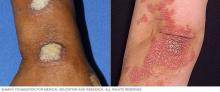
Psoriatic arthritis is a type of arthritis that can affect people who have psoriasis. Psoriasis is a skin condition that causes itchy, scaly patches on the skin. The patches may be red, purple or brown depending on your skin color. Most people get psoriasis first, sometimes years before symptoms of psoriatic arthritis start.
The main symptoms of psoriatic arthritis are joint pain, stiffness and swelling. These symptoms can affect any joint in the body. The symptoms of this condition can vary from mild to serious. Like psoriasis, psoriatic arthritis often goes through cycles. Sometimes symptoms flare up. Other times, they may ease or go away for a while.
There's no cure for psoriatic arthritis. But treatment can help lessen symptoms, protect the joints from damage, and improve your ability to move and stay active.
Symptoms
Psoriatic arthritis and psoriasis are long-term conditions that can get worse over time. But symptoms also can come and go. You may have flare-ups where symptoms get worse. And you may have periods of relief when symptoms improve or go away for a while.
Psoriatic arthritis can affect joints on one or both sides of your body. Psoriatic arthritis shares some symptoms with rheumatoid arthritis. In both conditions, joints may feel painful, swollen and warm to the touch.
Psoriatic arthritis also may cause:
- Swollen fingers and toes. Fingers and toes may become swollen and puffy, sometimes looking like sausages.
- Foot pain. You may feel pain where tendons or ligaments attach to bones. This condition is especially common at the back of the heel, called Achilles tendinitis, or in the sole of the foot, called plantar fasciitis.
- Lower back pain. Some people develop a condition called spondylitis, which causes pain and stiffness in the spine and pelvis.
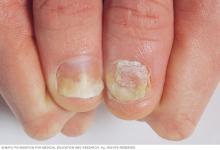
- Changes in nails. Fingernails or toenails may develop tiny dents, called pits. The nails may become brittle or crumbly, and they may start to lift away from the skin underneath. These changes can look like a fungal nail infection, so it's important to have your care team check to be sure of the cause.
- Eye inflammation. A condition called uveitis can cause red, painful eyes and blurry vision. If not diagnosed and treated, it can lead to vision loss.
- Fatigue. Many people with psoriatic arthritis get very tired.
When to see a doctor
If you have psoriasis and start to notice joint pain or stiffness, tell your healthcare professional. Talk to your healthcare professional about seeing a rheumatologist. A rheumatologist is a doctor who specializes in treating psoriasis and psoriatic arthritis. Treating psoriatic arthritis early can help prevent lasting joint damage.
Causes
Psoriatic arthritis happens when the immune system attacks healthy joints and skin by mistake. The immune system is the part of the body that fights illness, but in psoriatic arthritis it attacks healthy tissue. This causes swelling in the joints and makes the body make too many skin cells.
Researchers aren't exactly sure what causes psoriatic arthritis. But it seems to be linked to both your genes and things in the environment. Many people with psoriatic arthritis have family members with the condition or with psoriasis.
Certain genes may make someone more likely to get the condition, including a gene that makes a protein called HLA-B27. This protein is found on the surface of some white blood cells. It plays a role in how the immune system works. HLA is short for human leukocyte antigen. Testing to see if a person has HLA-B27 is called HLA typing. Not everyone with this gene will develop psoriatic arthritis, and not everyone with the disease has the gene.
For some people, things in the environment — such as an injury, a virus or a bacterial infection — may trigger psoriatic arthritis if they already have the genetic risk.
Risk factors
Some things make it more likely that you will develop psoriatic arthritis, including:
- Psoriasis. Having psoriasis is the biggest risk factor. Most people who get psoriatic arthritis already have this skin condition.
- Family history. If a parent or sibling has psoriatic arthritis, you have a higher chance of getting it too.
- Age. Psoriatic arthritis can happen at any age, but it typically starts between ages 30 and 55.
Complications
In rare cases, psoriatic arthritis can lead to a serious condition called arthritis mutilans. This form of the disease causes severe pain and damage to the small bones in the hands, especially the fingers. Over time, it can change the shape of the fingers and make it hard to use the hands for everyday tasks.
Psoriatic arthritis also can be associated with other conditions including:
- High blood pressure, called hypertension.
- Metabolic syndrome, which is a group of conditions that raise the risk of heart disease.
- Diabetes.
- Heart disease.
- Gout.
- Anxiety and depression.
Diagnosis
To find out if you have psoriatic arthritis, your healthcare professional likely will start with a physical exam. During the visit, your healthcare professional may:
- Look at your joints for swelling or tenderness.
- Check your fingernails for signs of pitting or peeling.
- Press on the bottoms of your feet and around your heels to check for sore spots.
No single test can confirm a diagnosis of psoriatic arthritis. But different tests can help rule out other causes of joint pain, such as rheumatoid arthritis or gout.
Imaging tests
- X-rays can show changes in the joints that are common in psoriatic arthritis but not seen in other types of arthritis.
- MRI scans create detailed pictures of bones, joints and soft tissue. These scans are especially helpful for checking the tendons and ligaments in the feet and lower back.
Laboratory tests
- Rheumatoid factor test (RF test) checks for an antibody found in people with rheumatoid arthritis. If the antibody is missing, this may help your healthcare professional confirm psoriatic arthritis instead.
- Joint fluid test involves removing a small sample of fluid from a swollen joint, often in the knee, using a needle. If the fluid contains uric acid crystals, this may mean you have gout. Some people can have both gout and psoriatic arthritis.
Treatment
There is no cure for psoriatic arthritis, but treatment can help manage symptoms, lessen inflammation, and protect your joints and skin from damage. One of the main treatment options is prescription medicine called disease-modifying antirheumatic drugs, often shortened to DMARDs.
Your treatment plan will depend on how serious your symptoms are and which joints are affected. You may need to try different treatments to find what works best for you.
Medications
Several types of medicine can help treat psoriatic arthritis:
- NSAIDs. Nonsteroidal anti-inflammatory drugs, called NSAIDs, help lessen pain and swelling. You can buy some NSAIDs without a prescription, such as ibuprofen (Advil, Motrin IB, others) and naproxen sodium (Aleve). Stronger NSAIDs may be prescribed by your healthcare professional. Side effects can include stomach upset, heart issues, and damage to the liver or kidneys.
- Conventional DMARDs. These drugs help slow down the disease and prevent lasting joint damage. The most common DMARD is methotrexate (Trexall, Otrexup). Others include leflunomide (Arava) and sulfasalazine (Azulfidine). These medicines can have side effects such as liver damage, bone marrow suppression, and lung inflammation and scarring, called fibrosis.
- Biologic DMARDs, called biologics. These newer drugs target specific parts of the immune system that cause joint inflammation. The medicines include adalimumab (Humira), certolizumab (Cimzia), etanercept (Enbrel) and golimumab (Simponi). They also include infliximab (Remicade), ustekinumab (Stelara), secukinumab (Cosentyx), ixekizumab (Taltz), guselkumab (Tremfya) and abatacept (Orencia). Biologics can increase the risk of both common and rare infections, such as tuberculosis.
- Targeted synthetic DMARDs. Tofacitinib (Xeljanz) is a pill that may be used to lessen inflammation if conventional DMARDs and biologic agents haven't helped. Higher doses of tofacitinib can increase the risk of blood clots in the lungs, serious heart issues and cancer.
- Newer oral medicine. Apremilast (Otezla) is a pill that lessens inflammation. It's often used for mild to moderate psoriatic arthritis, especially if you don't want to or can't take conventional DMARDs or biologics. Common side effects include diarrhea, nausea and headaches.
Therapies
Physical and occupational therapy help lessen pain, improves movement and makes everyday activities easier. These therapies teach you new ways to move and use your body to avoid stress on your joints. Ask your healthcare professional for a referral.
Massage therapy also may offer relief by easing muscle tension and pain.
Surgery and other procedures
- Steroid injections. A steroid shot directly into a painful joint can quickly lessen swelling and pain. But steroid shots are typically used sparingly because repeated use may weaken tendons or cartilage and lead to joint damage.
- Joint replacement surgery. If a joint has been seriously damaged by psoriatic arthritis, your healthcare professional may recommend surgery to replace it with an artificial joint made of metal and plastic. Typically, this improves movement and lessens pain.
Self care
Taking care of yourself can help you feel better and manage psoriatic arthritis more easily.
- Protect your joints. Changing how you do everyday tasks can make a difference in how you feel. For example, try using tools that make tasks easier, such as jar openers. Lift heavy items with both hands. Use your whole body, not just your hands, when pushing doors open. These small changes can lessen strain on your joints.
- Stay at a healthy weight. Extra weight puts more pressure on your joints and can make pain worse. Losing weight if needed also can help some arthritis medicines work better.
- Eat healthy foods. Eat more foods such as fruits and vegetables and limit foods that are high in sugar, fat and salt to boost overall health and help manage weight. Eating too many unhealthy foods may increase inflammation and fatigue.
- Keep moving. Regular exercise helps your joints stay flexible and your muscles stay strong. Good options include biking, swimming, walking, yoga and tai chi. These activities are gentle on the joints.
- Quit smoking. Smoking makes psoriasis and psoriatic arthritis worse. Quitting can help lessen your symptoms.
- Drink less alcohol. Alcohol can make some medicines less effective and increase side effects, especially with drugs such as methotrexate.
- Take breaks when needed. Fatigue from pain and inflammation is common. Some medicines also can make you feel tired. Don't stop being active, but rest before you become too tired. Break exercise or work activities into smaller steps.
Coping and support
Living with psoriatic arthritis can be challenging, but you don't have to face it alone. Support from family and friends can make a big difference. Some people also find comfort in support groups where they can talk with others who understand what they're going through. A counselor or therapist can help you manage stress and find ways to cope with the emotional side of having a long-term condition.
Preparing for your appointment
You'll likely start by talking to your regular healthcare professional about your symptoms. If needed, you may be referred to a specialist called a rheumatologist. This type of doctor focuses on arthritis and similar conditions.
What you can do
If possible, bring a friend or a family member with you to your appointment to help you remember all the information you get.
Make a list of:
- Your symptoms and when they began.
- Your medical and family history, including any family members with psoriatic arthritis.
- All medications, vitamins and other supplements you take, including doses.
- Questions to ask your healthcare professional.
Basic questions about psoriatic arthritis might include:
- What's causing my symptoms?
- What tests do I need?
- What treatments are available?
- What lifestyle changes will I need to make?
- Do you have printed information about psoriatic arthritis I can have? What websites do you recommend?
Don't hesitate to ask other questions you have.
What to expect from your doctor
Your healthcare professional might ask some of the following questions:
- What joints are affected?
- Are there activities or positions that make your symptoms better or worse?
- What treatments have you tried? Have any helped?
© 1998-2026 Mayo Foundation for Medical Education and Research(MFMER). All rights reserved. Terms of Use