
Shone syndrome
Conditions
Overview
Shone syndrome is a rare heart condition that's present at birth. That means it's a congenital heart defect. In this condition, there are changes in shape and structure on the left side of the heart.
The changes to the left side of the heart can cause narrowing that reduces or blocks the flow of blood to the body. For example, congenital changes may affect the aorta, which is the body's main blood vessel. The changes also may affect the valves and chambers on the left side of the heart.
Symptoms of Shone syndrome, such as trouble breathing or shortness of breath, happen when blood flow is reduced. But symptoms can be mild. Some people with Shone syndrome don't know they have the condition until later in life.
Many people with Shone syndrome do well after treatment. But repeat treatments are often needed. Adults with congenital heart disease such as Shone syndrome need regular health checkups for life to watch for changes in the heart's health.
Symptoms
Symptoms of Shone syndrome depend on where the changes occur in the heart and how severe they are. Some babies have serious symptoms soon after birth. Some children have mild symptoms that become more noticeable as they grow. Other people don't notice symptoms until later in life.
Symptoms in babies and young children
Narrowing of structures in the heart makes it hard for the heart to pump enough blood. Signs and symptoms may include:
- Trouble breathing.
- Trouble feeding, especially when trouble breathing makes feeding hard.
- Poor weight gain.
- Heavy sweating.
- Changes in the color of the skin, lips and fingernails. The changes may look blue or gray. They may look different depending on skin color.
A baby's symptoms can sometimes seem to come mainly from one heart condition, such as a narrowing in the aorta called coarctation of the aorta. Other areas of narrowing may become more apparent later or after the first narrowed area is treated.
Symptoms in older children and adults
People who had surgery as children for Shone syndrome can develop symptoms again if a repaired area narrows over time. In some people who have been treated for one area of blockage, another area of narrowing or blockage may become more noticeable. Symptoms in older children and adults may include:
- Shortness of breath.
- Swelling in the legs, ankles and feet.
- Tiredness with even small amounts of activity.
- A fast, pounding or irregular heartbeat.
When to seek care
Serious congenital heart defects are often diagnosed before or soon after a child is born. If you think that your baby has symptoms of a heart condition, call your child's healthcare professional.
Call the care team if a person with Shone syndrome develops:
- New or worsening shortness of breath.
- Reduced physical activity or ability to exercise.
- Racing heartbeat.
- Swelling.
- Changes in usual health.
Causes
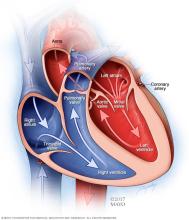
During the first six weeks of pregnancy, the heart begins to form and starts to beat. The major blood vessels that go to and from the heart also begin to form during this critical time.
At this point in development, congenital heart defects may begin to form. Researchers are not clear what causes Shone syndrome or why the heart changes happen. Lower blood flow through the developing left side of the heart may affect the growth of parts of the heart on the same side. But more research is needed.
Shone syndrome may involve:
- The body's main artery, called the aorta.
- The heart valves on the left side of the heart, called the aortic and mitral valves.
- The upper left heart chamber, called the left atrium.
- The lower left heart chamber, called the left ventricle.
In Shone syndrome, changes to parts of the left side of the heart reduce or block the flow of blood through the heart and to the body. These individual changes can happen by themselves. But when a few of them happen together, it is often called Shone syndrome. Several types of changes may occur.
Mitral stenosis
The mitral valve allows blood to flow from the upper left chamber of the heart to the lower left chamber of the heart. Stenosis means that there is narrowing or a blockage that makes it hard for blood to flow across the mitral valve. Stenosis can be above the valve or at the level of the valve. It may be caused by one of the following:
- Supravalvar mitral ring. An extra ring of tissue can narrow the opening above the mitral valve. It can block blood flow into the lower left chamber of the heart.
- Parachute mitral valve. The structures supporting the mitral valve are formed differently. This can make it harder for the valve to open fully and for blood to enter the lower left heart chamber.
Aortic stenosis
The aortic valve allows blood to flow from the lower left chamber of the heart to the aorta. Stenosis means that there is narrowing or blockage that makes it hard for blood to flow across the area around the aortic valve. Narrowing can be above the valve, called supravalvar aortic stenosis. More often, narrowing happens below the valve or at the level of the valve. This is caused by one of the following:
- Subaortic stenosis. There is a narrowing or ridge of tissue below the aortic valve. It blocks blood flow from the lower left heart chamber to the aorta.
- Aortic valve stenosis. The opening between the lower left chamber of the heart and the aorta is smaller than usual. This restricts blood flow through the aortic valve. Sometimes, this happens when the aortic valve has two flaps of tissue, called cusps, instead of the usual three. This condition is called a bicuspid aortic valve.
Coarctation of the aorta
Coarctation of the aorta is a narrowing of part of the aorta. The condition forces the heart to work harder to pump blood. It often raises blood pressure in the arms and head.
A person does not need to have every one of these heart changes to have Shone syndrome.
Risk factors
Shone syndrome happens from changes that occur early in pregnancy as the baby's heart develops. But because the condition affects very few people, the risk factors and causes are hard to study. Shone syndrome may run in families.
Complications
Shone syndrome can cause complications throughout life, even after treatment.
Possible complications include:
- Narrowing that comes back or gets worse. This can involve the aorta, the area below the aortic valve, or the mitral valve. Even if one of these narrowed parts was fixed with surgery, it can become narrowed again.
- Heart failure. Depending on how narrow the affected parts of the heart become, the heart may have trouble pumping enough blood to meet the body's needs. When the heart struggles to pump enough blood, it is called heart failure.
- Pulmonary hypertension. High pressure in the left side of the heart can raise pressure in the blood vessels of the lungs, especially when blood flow through the mitral valve is blocked. High pressure in the blood vessels of the lungs is called pulmonary hypertension.
- Irregular heartbeats, called arrhythmias. This may happen because the heart chambers become strained over time. High pressure in the lungs can put extra stress on the heart. Also, scar tissue from heart surgery can disrupt the heart's electrical signals. These changes can cause the heart to beat too fast, too slow or irregularly.
Regular heart care can help find these changes early. People with Shone syndrome need regular health checkups for life.
Diagnosis
Shone syndrome may be diagnosed during pregnancy or after birth. Other times, Shone syndrome may not be recognized until adulthood.
Diagnosis can be challenging because one area of narrowing may be more obvious than the others. For example, a baby may first get care for a narrow area in the aorta. Later tests may show that a heart valve or another part of the left side of the heart is narrow too.
Tests
Your healthcare professional may do tests to find Shone syndrome and learn more about the heart. Tests can help find which parts of the heart are affected. The tests needed depend on age, symptoms and past heart treatments. Tests may include:
- Echocardiogram. This is the main test used to diagnose Shone syndrome. It uses sound waves to create pictures of the beating heart. The test shows the structure of the heart chambers and valves. It also shows how well blood moves through the heart and heart valves. An echocardiogram can show blockages on the left side of the heart.
- Fetal echocardiogram. This type of echocardiogram is done during pregnancy. It may help find congenital heart defects before birth. However, not every part of Shone syndrome may be seen before birth.
- Cardiac magnetic resonance imaging (MRI). This test uses magnetic fields and radio waves to create detailed images of the heart and blood vessels. It can give more information about the heart's structure, pumping chambers and blood flow.
- Computerized tomography scan (CT scan) of the heart. This test uses several X-rays to make detailed pictures of the heart. It may be used to get more information or to guide treatment.
- Cardiac catheterization. A thin tube called a catheter is guided through a blood vessel to the heart. This can measure pressures inside the heart and lungs. It may be especially important when the care team is concerned about pulmonary hypertension.
In adults, finding one congenital heart defect on the left side of the heart can be a reason to look carefully for others.
Treatment
Treatment for Shone syndrome depends on the heart changes and how well blood moves through the heart. Treatment may include medicines and surgery. Sometimes a heart transplant is needed. But if the heart is working as it should and symptoms are mild, treatment may not be needed right away. Your care team can talk with you about next steps.
Medicines
Medicines cannot fix the heart structure changes in Shone syndrome. But they may help manage symptoms or complications.
For example, medicines may be used to:
- Treat heart failure.
- Manage high blood pressure.
- Manage pulmonary hypertension.
- Treat irregular heartbeats, called arrhythmias.
The medicines needed depend on specific heart changes in Shone syndrome. Talk with your care team about the benefits and possible side effects of any medicine prescribed.
Surgery or other procedures
If narrowing keeps the heart from working well, surgery or a heart procedure usually is done right away. There is not one surgery that fixes all of Shone syndrome. Treatment typically focuses on one heart change at a time. Often, the most serious blockage is treated first. Other structure changes may be treated during the same surgery or at another time.
Surgery or procedures to treat Shone syndrome may include:
-
Balloon angioplasty. This treatment uses a thin tube called a catheter and a tiny balloon to help widen a narrowed area of the aorta. This helps improve blood flow. A metal mesh tube called a stent may be placed in the area to keep the aorta open.
Sometimes surgery is needed instead to fix the narrowed area of the aorta.
- Surgery to remove extra heart tissue. A surgeon may remove extra tissue above the mitral valve or below the aortic valve that is blocking blood flow.
- Mitral valve repair or replacement. When possible, surgeons generally try to fix the person's own mitral valve rather than replace it.
- Other procedures. Many other procedures may help improve blood flow through the left side of the heart. The type of procedure or surgery depends on the structure changes that need to be fixed.
Some children with Shone syndrome need more surgery or procedures over time. This can happen as a child grows. It also can happen if a narrowed area comes back or gets worse.
Heart transplant
Heart transplant may be considered when Shone syndrome causes serious heart trouble that continues despite other treatments. Complications such as pulmonary hypertension and the effects of previous heart surgeries can make transplant decisions more complex. Your care team carefully considers when to recommend a heart transplant.
Prognosis
Prognosis is an estimate of what may happen over time and how well you may do after treatment. There is no single life expectancy that applies to everyone with Shone syndrome.
Many people with Shone syndrome do well with treatment and regular heart care.
People with Shone syndrome need heart care for life, even when they feel well. Areas of the heart repaired during childhood may narrow again or change over time. Other heart changes that need treatment may be found later in life. Adults with Shone syndrome can have heart valve issues, repeated narrowing, irregular heartbeats, pulmonary hypertension or heart failure years after childhood surgery. Regular care from a team that specializes in adult congenital heart disease can help find these complications early.
Coping and support
Living with Shone syndrome can mean years of follow-up, testing and sometimes repeated procedures. The care team helps you plan each step. This includes the move from pediatric heart care to adult congenital heart disease care when the time is right.
You can take an active part in your care or your child's care. It may help to keep a record of:
- The exact heart conditions that have been diagnosed.
- Previous heart procedures and surgeries.
- Current medicines. Include their dosages.
- Recent imaging and test results.
- Contact information for your congenital heart disease care team.
You may find that talking with other people who have been through the same situation brings you comfort and encouragement. Ask your healthcare team if there are any support groups in your area.
Pregnancy
It may be possible to have a successful pregnancy with mild congenital heart disease. But pregnancy causes the heart to pump more blood, which may put extra strain on a heart affected by Shone syndrome. A healthcare professional may advise you not to get pregnant if you have complex congenital heart disease, such as Shone syndrome.
The risk depends on your specific heart conditions, previous repairs, heart function and complications such as pulmonary hypertension. Before becoming pregnant, talk with your healthcare team about the possible risks and complications. Together you can discuss and plan for any special care needed during pregnancy.
During pregnancy, your care team also may include a maternal-fetal medicine specialist and other healthcare professionals experienced in heart disease during pregnancy.
Preparing for an appointment
If you or your child has Shone syndrome, appointments often focus on whether any area of narrowing has changed and how well the heart is working.
Make an appointment for a health checkup with a doctor trained in treating congenital heart disease, even if there are no health complications. It's important for people with congenital heart disease to have regular checkups.
What you can do
Whether the appointment is for you or your child, gather information that can help the care team understand any changes in health.
Make a list of:
- Changes in symptoms or new symptoms and when they started.
- Changes in feeding or eating, growth, activity or ability to exercise.
- Episodes of a fast or irregular heartbeat, dizziness, or fainting.
- Previous heart operations and catheter procedures.
- Medicines, vitamins and supplements being taken.
- Questions you want to ask the care team.
Preparing a list of questions can help you and your healthcare professional make the most of your time together. You might want to ask questions such as:
- Which parts of the heart are affected?
- How severe is each area of narrowing?
- Which heart condition needs the closest follow-up?
- Does treatment need to happen now?
- Could another procedure or surgery be needed later?
- How often are follow-up tests needed?
- What physical activities are safe?
- Which symptoms mean I should call the care team?
- What are the risks of becoming pregnant?
- Would genetic counseling be useful for my family?
What to expect from your doctor
The healthcare team may ask questions to understand symptoms and how the heart condition is affecting daily life.
Your healthcare team may ask:
- When were the heart conditions first diagnosed?
- What procedures or surgeries have been done?
- Have symptoms changed recently?
- Is feeding or eating a concern?
- Has exercise or activity become more difficult?
- Have there been palpitations, dizziness or fainting?
- Are there symptoms while resting or sleeping?
- What medicines are being taken?
- When was the last echocardiogram, MRI or CT scan?
© 1998-2026 Mayo Foundation for Medical Education and Research(MFMER). All rights reserved. Terms of Use