
Truncus arteriosus
Conditions
Overview
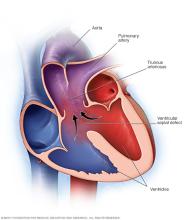
Truncus arteriosus (TRUNG-kus ahr-teer-e-O-sus) is a rare, life-threatening heart condition present at birth. That means it's a congenital heart defect. Learning that your baby has a serious heart condition can be difficult. But truncus arteriosus can be treated with surgery. This treatment is often successful, especially when done soon after birth.
In a typical heart, there are two separate blood vessels that leave the heart. One is the aorta. It carries blood to the body. The other is the pulmonary artery. It carries blood to the lungs.
With truncus arteriosus, only one large blood vessel leaves the heart instead of two. This lets oxygen-poor and oxygen-rich blood mix. Because of this, the body may not get enough oxygen. Too much blood also may go to the lungs. The heart must work harder because blood does not flow the way it should.
Other names for this condition are common arterial trunk or persistent truncus arteriosus. Surgery repairs the heart structure and fixes blood flow.
A baby with truncus arteriosus also usually has a hole between the two lower heart chambers, called the ventricles. The hole is called a ventricular septal defect.
Other terms you may hear that sound like truncus arteriosus but are not the same thing are:
- Ductus arteriosus. This is the term for a blood vessel found in a developing baby, also called a fetus, that connects parts of the pulmonary artery to the aorta. If this blood vessel fails to close properly after birth, the resulting congenital heart defect is called patent ductus arteriosus. That differs from truncus arteriosus because it occurs in a different place in the heart.
- Conus arteriosus. This is the name for part of the developing heart between the truncus arteriosus and the right ventricle.
Truncus arteriosus does not look exactly the same in every baby. Researchers have grouped these different types of truncus arteriosus by the branching of the blood vessels that carry blood to the lungs, called the pulmonary arteries.
One of the most common groupings is the Collet and Edwards classification.
- Type 1. The pulmonary arteries come off of the single truncus arteriosus first as a single blood vessel before dividing into a right and left pulmonary artery.
- Type 2. The right and left pulmonary arteries come off separately but close to each other on the back wall of the truncus arteriosus.
- Type 3. The right and left pulmonary arteries come off farther away from each other on opposite sides of the truncus arteriosus.
In the past, this grouping included a type 4. But that's now considered a different condition called pulmonary atresia. Your care team can explain the type of truncus arteriosus your child has and the different ways it is corrected.
Symptoms
Truncus arteriosus symptoms most often happen in the first few days of life. They include:
- Blue or gray skin due to low oxygen levels.
- Extreme sleepiness.
- Poor feeding.
- Fast breathing.
When to seek care
If you are worried about your baby's feedings, sleep patterns or growth, make an appointment with a healthcare professional.
When to seek emergency care
Always seek emergency medical care if your baby has any of the following:
- Blue or gray skin.
- Fast breathing.
- Shallow breathing or any other breathing trouble.
Causes
Truncus arteriosus happens as your baby's heart forms during pregnancy. There's often no clear cause. Genetics and environmental factors may play a role.
How the heart works
To understand more about truncus arteriosus, it may be helpful to know how the heart typically works.
The typical heart has four chambers. They are:
- The right upper chamber, also called the right atrium. This heart chamber receives oxygen-poor blood from the body.
- The right lower chamber, also called the right ventricle. This heart chamber pumps blood into the lungs through a large vessel called the pulmonary artery. The blood flows through the pulmonary artery into smaller vessels in the lungs where it picks up oxygen.
- The left upper chamber, also called the left atrium. This heart chamber receives oxygen-rich blood from the lungs through vessels called pulmonary veins.
- The left lower chamber, also called the left ventricle. This chamber pumps the oxygen-rich blood to the body through the body's largest blood vessel, called the aorta.
A baby's heart before birth
The way an unborn baby's heart forms during pregnancy is complex. At some point, there is a single large blood vessel leading out of the heart. The vessel is called the truncus arteriosus. It usually splits in two as the unborn baby grows in the womb. One part becomes the lower end of the body's main artery, called the aorta. The other part becomes the lower part of the pulmonary artery.
But in some babies, the truncus arteriosus never splits. The wall separating the two ventricles doesn't close all the way. This results in a large hole between these heart chambers, called a ventricular septal defect.
Babies with truncus arteriosus also often have an issue with the heart valve that controls blood flow from the ventricles to the single vessel. Often, this valve does not form in the typical way. It may not close all the way when the heart relaxes. Blood can move the wrong way, going back into the heart. This is called truncal valve regurgitation. The valve also may not open completely when the heart pumps, making it harder for blood to leave the heart. This is called truncal valve stenosis.
Risk factors
The exact cause of truncus arteriosus is not known. Sometimes a change in genes raises the risk. The change goes by the names DiGeorge syndrome, 22q11.2 deletion syndrome and velocardiofacial syndrome.
Some things might raise the risk of other heart conditions at birth, although they have not been shown to increase the risk of truncus arteriosus.
Risk factors for heart conditions at birth include:
- Viral illness during pregnancy. Some infections can hurt a developing baby. For example, having German measles during pregnancy can cause changes in a baby's heart development. German measles also is called rubella.
- Poorly controlled diabetes during pregnancy. Blood sugar that varies widely can raise the risk of heart conditions in your baby.
- Some medicines taken during pregnancy. Some medicines can cause heart conditions and other health issues in a baby.
- Smoking during pregnancy. Smoking during pregnancy increases the risk of heart conditions in your baby.
- Alcohol use. Drinking alcohol during pregnancy increases the risk of heart conditions and other health issues in a baby.
Complications
Truncus arteriosus causes severe changes in how blood flows through the lungs, heart and rest of the body.
Complications of truncus arteriosus in babies include:
- Breathing trouble. Extra fluid and blood in the lungs can make it difficult to breathe.
- High blood pressure in the lungs, also called pulmonary hypertension. This condition causes the blood vessels in the lungs to become stiff and narrow. It becomes hard for the heart to pump blood into the lungs.
- Enlargement of the heart. Pulmonary hypertension and increased blood flow strain the heart. The heart must work harder to pump blood. This causes the heart muscle to grow larger. The enlarged heart weakens over time.
- Heart failure. In this condition, the heart cannot supply the body with enough blood. Too little oxygen and too much strain on the heart can lead to heart failure.
Even when surgery successfully treats truncus arteriosus, some complications can happen later in life, such as:
- Pulmonary hypertension that gets worse.
- Backward flow of blood through a heart valve, called regurgitation.
- Irregular heartbeats, called arrhythmias.
Common symptoms of these complications include:
- Dizziness.
- Feeling very fast, fluttering heartbeats.
- Feeling very tired.
- Shortness of breath when exercising.
- Swelling of the belly, legs or feet.
Truncus arteriosus in adults
Rarely, some people born with truncus arteriosus live beyond infancy without heart surgery. They may live with this congenital heart disease into adulthood. But adults with the condition will almost certainly have heart failure and develop a complication from pulmonary hypertension called Eisenmenger syndrome. This syndrome is caused by lung damage that doesn't go away.
Prevention
Because the cause of truncus arteriosus is not clear, there may be no way to prevent it. Getting good prenatal care is important. If you or someone in your family had a heart condition present at birth, talk with your healthcare professional before getting pregnant. You might need to see a genetic counselor and a doctor who treats heart conditions, called a cardiologist.
If you decide to get pregnant, take these steps to help keep your baby healthy:
- Get recommended vaccinations. Some infections can be harmful to a developing baby. For example, having German measles, also called rubella, during pregnancy can cause changes in a baby's heart development. A blood test done before pregnancy can show whether you're immune to rubella. A vaccine is available for those who aren't immune.
- Talk with your healthcare professional about your medicines. Check with your healthcare professional before taking any medicines if you're pregnant or thinking about getting pregnant. Many medicines aren't recommended for use during pregnancy because they can harm a developing baby.
- Take a folic acid supplement. Take a multivitamin with folic acid. Taking 400 micrograms of folic acid daily has been shown to reduce brain and spinal cord conditions in babies. It may help lower the risk of heart conditions present at birth too.
- Manage diabetes. Careful management of your blood sugar before and during pregnancy can reduce the risk of heart conditions in your baby. If you have diabetes, ask your healthcare professional how to best manage the disease during pregnancy.
- If you smoke, quit. Stop smoking during pregnancy to lower the risk of heart conditions in your baby.
Diagnosis
Truncus arteriosus is usually diagnosed soon after a child is born. The baby may look blue or gray and have trouble breathing.
When a baby is born, a healthcare professional listens to the baby's lungs to check breathing. If a baby has truncus arteriosus, the healthcare professional may hear fluid in the lungs during this exam. The health professional also listens to the baby's heart to check for irregular heartbeats or a whooshing sound, called a murmur.
Tests
Tests to diagnose truncus arteriosus include:
- Pulse oximetry. A sensor placed on the baby's fingertip records the amount of oxygen in the blood. Too little oxygen may be a sign of a heart or lung condition.
- Chest X-ray. This test shows the condition of the heart and lungs. It can show the size of the heart. A chest X-ray also can tell whether the lungs have extra fluid.
- Echocardiogram. An echocardiogram uses sound waves to create pictures of the beating heart. This is the main test to diagnose truncus arteriosus. It shows blood flow through the heart and heart valves. In a baby with truncus arteriosus, the test shows one single large vessel leading from the heart. There's typically a hole in the wall between the ventricles.
Treatment
Babies with truncus arteriosus need surgery to improve blood flow and oxygen levels. This helps manage the symptoms of the condition. Many procedures or surgeries might be needed, especially as a child grows. Medicines might be given before surgery to help improve heart health.
Children and adults with surgically repaired truncus arteriosus need regular health checkups for life.
Medications
Some of the medicines that a child might take before truncus arteriosus surgery include:
- Water pills. Also called diuretics, these medicines help the kidneys remove extra fluid from the body. Fluid buildup is a common symptom of heart failure.
- Positive inotropes. These medicines strengthen the heart's ability to pump, which improves blood flow. They also help control blood pressure. Positive inotropes may be given by IV to treat severe heart failure symptoms.
Surgery or other procedures
Most infants with truncus arteriosus have surgery within the first few weeks after birth. The specific type of surgery depends on the baby's condition. Usually, the baby's surgeon:
- Rebuilds the single large vessel and aorta to create a new, complete aorta.
- Separates the pulmonary arteries from the single large vessel.
- Uses a patch to close the hole between the two lower heart chambers.
- Places a tube and valve to connect the right ventricle with the pulmonary arteries. This allows the heart to pump blood to the lungs.
The tube used to create the new pulmonary artery doesn't grow with a child. Follow-up surgeries are needed to replace the tube as the child grows.
Later surgeries may be done with a flexible tube called a catheter. This avoids the need for open-heart surgery. In one type of catheter procedure, the healthcare professional inserts the catheter into a blood vessel in the groin and guides it to the heart. A new valve can be delivered through the catheter to the proper area.
Sometimes a small balloon at the tip of the catheter is inflated at the site of a blockage, making a blocked artery wider. This procedure is called balloon angioplasty.
After surgery for truncus arteriosus, a person needs lifelong follow-up care with a heart doctor specializing in congenital disease. This type of doctor is called a congenital cardiologist.
Complications of surgery
The surgery to repair truncus arteriosus has risks that can lead to complications. Some surgeries to treat this condition can result in a child's death. But research has shown that these surgeries have gotten better over time. Both surgical survival and long-term survival after leaving the hospital have improved over the last 30 years.
Survival rates
Truncus arteriosus treatment greatly improves survival for babies with truncus arteriosus. After treatment and release from the hospital, almost 80% of these babies are alive after 30 years, according to research.
Truncus arteriosus is not a condition that gets better on its own. Without treatment, a baby's lifespan may be very short. Babies who aren't treated live an average of five weeks. About 15% of babies who do not have surgery for the condition survive to age 1. After that time, these children tend to get complications from the condition.
Lifestyle and home remedies
If you or your child had truncus arteriosus, your healthcare professional may recommend taking a few steps to protect the heart.
- Exercise limits. Some people with heart conditions need to limit exercise and sports activities, especially competitive sports. Ask your healthcare professional which sports and types of exercise are safe for you or your child.
- Antibiotics. Sometimes, heart conditions can increase the risk of infection in the lining of the heart or heart valves. This infection is called infective endocarditis. Antibiotics may be given to prevent infections before dental procedures and other surgeries. It's also important to have good oral hygiene and regular dental checkups.
If you've had truncus arteriosus repair surgery and want to become pregnant, talk with your healthcare professional first. Ask about the possible risks and complications. It's best to work with healthcare professionals who have training in adult congenital heart disease and high-risk pregnancies.
Depending on the level of lung damage that happened before truncus arteriosus surgery, pregnancy might or might not be advised. Pregnancy is considered very high risk for those with Eisenmenger syndrome and is not advised.
Coping and support
Caring for a baby with a serious heart condition, such as truncus arteriosus, can be challenging. Here are some strategies that might be helpful.
- Seek support. Ask for help from family members and friends. Connecting with others in support groups may help manage stress. Contact nonprofit organizations, such as the American Heart Association.
- Keep track of your baby's health history. Include details about any diagnoses, medicines, surgeries and other procedures. Note the dates for surgeries and procedures. Include medicine dosages. Write down healthcare professionals' names and phone numbers. If possible, get a copy of medical reports. This information helps you remember who provided care. It's also helpful to healthcare professionals who are not familiar with your child's health history.
- Talk about your concerns. You might worry about the risks of strenuous activity, especially after heart repair surgery. Ask your child's heart doctor, called a pediatric cardiologist, which activities are safe for your child.
Preparing for an appointment
If a baby has truncus arteriosus, the condition will likely be diagnosed soon after birth. Sometimes it's diagnosed before birth during a pregnancy ultrasound. To plan treatment, your baby may see a healthcare professional trained to manage childhood heart disease, called a pediatric cardiologist.
What you can do
If possible, ask your family members about their medical history. Heart conditions present at birth can be passed down through families. So it's helpful to know whether anyone in your child's family has a history of an early heart condition.
Also make a list of questions to ask your baby's healthcare professional. Preparing this list can help you and your healthcare team make the most of your time together. Here are some questions you might want to ask:
- What tests are needed?
- What are the treatment options?
- What are the possible side effects or complications of treatment?
- How do we check for complications?
- What is the long-term outlook for my child?
- My baby has other health conditions. How do we best manage them together?
- If I have another baby in the future, what are the chances of this happening again?
- Are there any brochures or other printed material that I can have? What websites do you recommend?
Don't hesitate to ask other questions.
What to expect from your doctor
Your child's healthcare professional will likely ask the following questions:
- Does your baby ever look blue or gray?
- How long are feeding times?
- How much does your baby eat?
- How often and how long does your baby sleep?
- How does your baby respond to touch?
- Does your baby ever breathe fast?
© 1998-2026 Mayo Foundation for Medical Education and Research(MFMER). All rights reserved. Terms of Use