
Left ventricular hypertrophy
Conditions
Overview
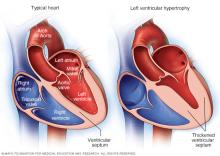
Left ventricular hypertrophy is thickening of the walls of the lower left heart chamber. The lower left heart chamber is called the left ventricle. The left ventricle is the heart's main pumping chamber.
During left ventricular hypertrophy, the thickened heart wall can become stiff. Blood pressure in the heart rises. The changes make it harder for the heart to pump blood. In time, the heart may fail to pump with as much force as needed.
High blood pressure that isn't well controlled is the most common cause of left ventricular hypertrophy. Complications include irregular heartbeats, called arrhythmias, and heart failure.
Treatment of left ventricular hypertrophy depends on the cause. Treatment may include medicines or surgery.
Symptoms
Left ventricular hypertrophy usually starts slowly. The condition doesn't cause symptoms by itself. But symptoms may happen as the strain on the heart gets worse. Symptoms may include:
- Shortness of breath, mainly while lying down.
- Swelling of the legs.
- Chest pain, often when exercising.
- Rapid, fluttering or pounding heartbeats, called palpitations.
- Fainting or feeling lightheaded.
When to see a doctor
Seek care right away if:
- You feel chest pain that lasts more than a few minutes.
- You have trouble breathing.
- You are very lightheaded or lose consciousness.
- You have a sudden, bad headache, trouble speaking, or weakness on one side of your body.
If you have mild shortness of breath or other symptoms, such as palpitations, see your healthcare professional.
If you have high blood pressure or another condition that raises the risk of left ventricular hypertrophy, your healthcare team is likely to suggest regular health checkups to check your heart.
Causes
Anything that puts stress on the heart's lower left chamber can cause left ventricular hypertrophy. The lower left chamber is called the left ventricle. As the strain on the lower left chamber gets worse, the muscle tissue in the chamber wall thickens. Sometimes, the heart chamber itself also gets bigger.
Left ventricular hypertrophy also may be caused by gene changes that affect the heart muscle's structure.
Things that can cause the heart to work harder and may possibly lead to left ventricular hypertrophy include:
- High blood pressure. Also called hypertension, this is the most common cause of left ventricular hypertrophy. Long-term high blood pressure strains the left side of the heart, causing it to grow bigger. Treating high blood pressure can help lessen left ventricular hypertrophy symptoms. It may even reverse the condition.
- Narrowing of the aortic valve. The aortic valve is between the lower left heart chamber and the body's main artery, called the aorta. Narrowing of the valve is called aortic stenosis. When the valve is narrowed, the heart must work harder to pump blood into the aorta.
- Intense athletic training. Intense, long-term strength and endurance training causes changes in the heart. The changes help the heart handle the extra workload. But the changes can make the heart muscle grow larger. Sometimes this is called athlete's heart or athletic heart syndrome. It's not clear whether the larger heart size in athletes can lead to stiffening of the heart muscle and disease.
Some conditions passed down through families, called genetic conditions, can make the heart thicker. They include:
- Hypertrophic cardiomyopathy. This condition is caused by changes in genes that cause the heart muscle to thicken. The thickening makes it harder for the heart to pump blood. It can happen even without high blood pressure. People with one parent with hypertrophic cardiomyopathy have a 50% chance of having the changed gene that causes the condition.
- Amyloidosis. In this condition, proteins build up around the organs, including the heart. The collection of proteins affects how the organs work. When the condition is passed down through families, it is called familial amyloidosis. It also may affect the nerves and kidneys.
Risk factors
Things that raise the risk of left ventricular hypertrophy include:
- Age. Left ventricular hypertrophy is more common in older people. So is high blood pressure, which can cause heart muscle thickening.
- Overweight or obesity. Being overweight raises the risk of high blood pressure and left ventricular hypertrophy.
- Family history. Changes in genes passed down through families may lead to left ventricular hypertrophy.
- Diabetes. Having diabetes raises the risk of left ventricular hypertrophy.
- Sex at birth. Women who have high blood pressure are more likely to get left ventricular hypertrophy than are men who have high blood pressure.
Complications
Left ventricular hypertrophy changes the structure of the heart and how the heart works. The thickened left ventricle becomes weak and stiff. This keeps the lower left heart chamber from filling with blood. As a result, blood pressure in the heart goes up.
Complications of left ventricular hypertrophy include:
- Heart failure.
- Irregular heartbeats, called arrhythmias.
- Too little oxygen to the heart, called ischemic heart disease.
- Sudden loss of heart function, breathing and consciousness, called sudden cardiac arrest.
Prevention
Healthy lifestyle changes can keep the heart healthy and may prevent left ventricular hypertrophy. Try these tips:
- Don't smoke.
- Eat healthy foods and use less salt.
- Limit or don't drink alcohol.
- Get regular exercise.
- Stay at a healthy weight.
- Get 7 to 9 hours of sleep daily.
- Manage stress.
High blood pressure that isn't well controlled raises the risk of left ventricular hypertrophy. Get your blood pressure checked at least every two years if you're 18 and older. If you have risk factors for heart disease or are over age 40, you may need your blood pressure checked more often.
Ask your healthcare team what blood pressure reading is right for you. Your team may suggest that you check your blood pressure at home. Home blood pressure monitors are available at local stores and pharmacies.
Diagnosis
To diagnose left ventricular hypertrophy, a healthcare professional examines you and asks questions about your symptoms and family's health history. The care professional checks your blood pressure and listens to your heart with a device called a stethoscope.
Tests
Tests used to diagnose left ventricular hypertrophy may include:
- Lab tests. Blood and urine tests may be done to check for conditions that affect heart health. Tests may be done to check blood sugar, cholesterol levels, and liver and kidney function.
- Electrocardiogram. Also called an ECG or EKG, this quick and painless test shows how the heart is beating. During an ECG, sticky patches with sensors on them go on the chest and sometimes the arms or legs. Wires connect the sensors to a machine. The machine displays or prints results. Your care professional can look for signal patterns that suggest thickened heart muscle tissue.
- Echocardiogram. An echocardiogram uses sound waves to make pictures of the beating heart. This test shows blood flow through the heart and heart valves. It can show thickened heart muscle tissue and heart valve changes related to left ventricular hypertrophy.
- Heart MRI. This test, also called a cardiac MRI, uses magnetic fields and radio waves to create detailed images of the heart.
Treatment
Treatment for left ventricular hypertrophy depends on the cause. Treatment may include:
- Medicines.
- Heart procedure.
- Surgery.
It's important to manage conditions such as high blood pressure and sleep apnea, which can cause blood pressure to be higher.
Medications
Medicines are used to treat symptoms and prevent complications of left ventricular hypertrophy. The type of medicine used depends on the cause of left ventricular hypertrophy.
Medicines may include:
- Angiotensin-converting enzyme inhibitors. Also called ACE inhibitors, these medicines widen blood vessels to lower blood pressure. They can improve blood flow and lessen the strain on the heart. Side effects include a cough that lasts.
- Angiotensin II receptor blockers. Also called ARBs, these medicines have benefits like those of ACE inhibitors. But they don't cause a cough.
- Beta blockers. These medicines help slow the heart rate. They also help the heart move blood with less force.
- Calcium channel blockers. These medicines relax the heart muscle and widen blood vessels. This lowers blood pressure.
- Water pills, also called diuretics. These help reduce fluid buildup in the body, lowering blood pressure.
Surgery or other procedures
Left ventricular hypertrophy that is caused by aortic valve stenosis might need a procedure or surgery to repair or replace the valve.
Surgery or other procedures may be needed to treat underlying conditions such as:
- Hypertrophic cardiomyopathy. Surgery may be done if the condition causes heart failure symptoms or a blockage that affects the heart's pumping action.
- Amyloidosis. If other treatments don't work, a stem cell transplant may be needed. Treatment for amyloidosis is available at some clinics.
Together you and your care team can make a treatment plan for you.
Lifestyle and home remedies
Lifestyle changes can help lower blood pressure and improve heart health. Try these steps:
- Eat healthy foods. Choose fruits, vegetables, whole grains, low-fat dairy products and good fats, such as olive oil. Limit foods and beverages higher in added sugars, salt and saturated fat. Choose low-sodium or no-salt-added foods. Don't add salt to your meals.
- Don't smoke or use tobacco. Quitting is the best way to lower the risk of heart disease and its complications. If you need help quitting, talk with your healthcare team.
- Limit or don't use alcohol. Alcohol can raise blood pressure, especially if used in large amounts. If you choose to drink alcohol, limit how often you drink and keep the amount small. For overall health, drink one or fewer drinks a day. Do not drink every day. The less you drink, the better.
- Stay active and get regular exercise. Exercise helps lower blood pressure. With your healthcare team's OK, try to get at least 30 minutes of physical activity most days of the week. Some sports or exercises can briefly raise blood pressure. Talk with your care team about the amount and type of exercise that's right for you.
- Manage weight. If you are overweight or have obesity, losing just a few pounds can help lower blood pressure. Weight loss may help reverse left ventricular hypertrophy. Ask your healthcare team what weight is right for you.
- Manage stress. Find ways to help reduce emotional stress. Some tips are to get more exercise, practice mindfulness and connect with others in support groups.
Preparing for an appointment
You may be sent to a doctor trained in heart conditions. This type of healthcare professional is called a cardiologist.
What you can do
- Write down your symptoms. Include any that may not seem related to the reason you scheduled the appointment.
- Make a list of all your medicines, vitamins and supplements. Include the dosages.
- Write down important medical information, including other conditions you have.
- Write down important personal information. Include any recent life changes or stressors in your life.
- Write down questions to ask your healthcare team.
- Find out if your family has a history of heart disease.
- Ask someone to come with you to help you remember what the care professional says.
Questions to ask your doctor
- What's the most likely cause of my symptoms?
- What tests do I need? How do I get ready for them?
- What types of treatments do I need?
- How should I change my diet or activities?
- I have other health conditions. How can I manage these conditions together?
Don't hesitate to ask any other questions during your appointment.
What to expect from your doctor
Your healthcare professional is likely to ask you many questions. Being ready to answer them may leave time to go over items you want to spend more time on. You may be asked:
- What are your symptoms?
- When did the symptoms start?
- Have your symptoms gotten worse over time?
- Do you have chest pain or fast, fluttering or pounding heartbeats?
- Do you have dizziness? Have you ever fainted?
- Have you had trouble breathing?
- Does exercise or lying down make your symptoms worse?
- Have you ever coughed up blood?
- Do you have a history of high blood pressure or rheumatic fever?
- Do you have a family history of heart conditions?
- Do you smoke or did you ever smoke?
- Do you use alcohol or caffeine?
© 1998-2026 Mayo Foundation for Medical Education and Research(MFMER). All rights reserved. Terms of Use