

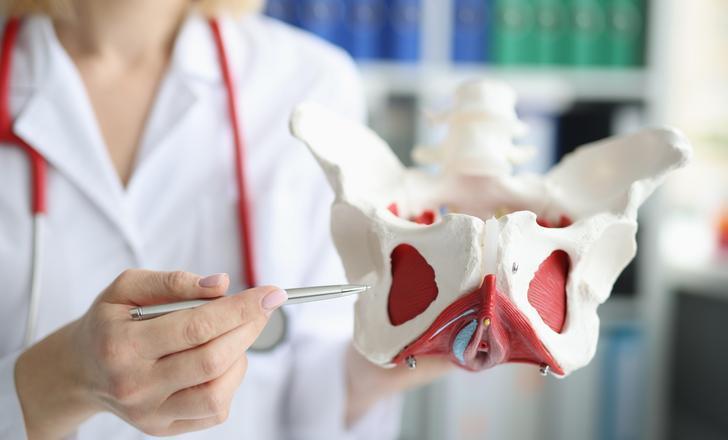
Pelvic health issues can affect people of all ages and genders (yes, men too!)—and they’re more common than you might think. These problems often happen when the pelvic floor muscles aren’t working the way they should. These muscles are responsible for supporting your pelvic organs, controlling bowel and bladder function, keeping your core stable, and allowing for pain-free movement.
When the pelvic floor muscles are too tight, too weak, or not working in sync, it can lead to a range of symptoms that impact your daily life. You might notice changes in bladder or bowel habits, pain in your lower back or hips, discomfort during intimacy, or pressure in the pelvic area. Our expert pelvic health physical therapists use evidence-based techniques in a supportive, compassionate environment to help you regain confidence and improve your quality of life. We’re here to provide personalized care that meets your unique needs because pelvic health is whole body health.
Pelvic Floor Dysfunction (PFD) is a common condition that occurs when the muscles of the pelvic floor aren’t working as they should. These muscles are vital—they support your pelvic organs (like the bladder, uterus, and rectum), help control bladder and bowel movements, stabilize your core, and allow for comfortable, pain-free movement.
When these muscles become too tight, too weak, or aren’t coordinating properly, they can cause a wide range of issues affecting bladder and bowel control, sexual health, and overall comfort.
Common Symptoms Related to Pelvic Floor Dysfunction:
People with pelvic floor dysfunction may experience symptoms that impact their daily life, such as:
- Urinary leakage (incontinence)
- Frequent or urgent need to urinate
- Trouble emptying the bladder completely
- Fecal leakage or constipation
- Pelvic organ prolapse (a feeling of pressure or heaviness)
- Pain with urination or during intercourse
- Tightness or discomfort in the vaginal canal
- Chronic pelvic pain
Your body is beautifully designed to grow and birth a baby, but that doesn’t mean pregnancy has to come with pain, stress, or uncertainty. Pelvic floor issues during pregnancy and after birth are treatable and often preventable. While this kind of care isn’t always standard, at Altru, we believe you deserve more. Our goal is to support your strength, confidence, and comfort every step of the way into motherhood.
During pregnancy, your pelvic floor and deep abdominal muscles support the growing baby, uterus, and increased fluid volume. Our care helps keep these muscles strong, flexible, and functional so you can move, breathe, and rest with greater ease.
Our Prenatal Services include:
- Pelvic Floor Muscle Assessment: A gentle evaluation of muscle strength, flexibility, and coordination—either internally (with one gloved finger) or externally (especially in early or high-risk pregnancies).
- Targeted Exercises & Breathwork: Learn techniques to strengthen your core, support your posture, and use your breath to reduce strain and improve comfort.
- Pain Relief & Body Support: We treat common pregnancy discomforts, including low back pain, pelvic or tailbone pain, and hip tightness.
- Bladder & Bowel Support: Manage urinary leakage, urgency, and constipation with strategies tailored to your needs.
- Labor & Birth Preparation: Get guidance on pushing techniques, birthing positions, and ways to reduce pelvic floor strain during delivery.
Pregnancy and childbirth, whether vaginal or C-section, put a lot of strain on your pelvic floor and core muscles. These muscles can stretch, weaken, or even get injured during this time. Pelvic floor physical therapy uses gentle exercises and techniques to help restore strength and normal function to these important muscles.
What Postpartum Pelvic Floor Therapy includes:
- A thorough assessment of your pelvic floor, low back, hips, and core muscles
- Personalized guidance on when to start and how to safely progress your recovery
When Can You Begin?
You don’t have to wait for your 6-week postpartum checkup, you can start your recovery as soon as you are medically stable. While you will be on pelvic rest (avoiding activities like intercourse) for at least 6 weeks to allow your uterus to heal, we can still work on improving your breathing, posture, and core activation during this time. Once your doctor clears you, we can move forward with internal pelvic floor muscle assessment and treatment as needed.
How we help:
Our therapy focuses on strengthening your pelvic floor, abdominal, and glute muscles to address common postpartum concerns such as:
- Urinary or bowel leakage
- Pain during sex
- Pelvic organ prolapse (a feeling of heaviness or bulging)
- Low back, pelvic, or hip pain
- Diastasis recti (separation of abdominal muscles)
If something just doesn’t feel right after pregnancy and birth, don’t hesitate to reach out. We’re here to support you on your journey to feeling strong, comfortable, and confident again.
After having a baby, it’s common to experience pain and swelling in the perineal area (the area between your vagina and anus). This can happen because of tearing, stitches, hemorrhoids, or a long and difficult labor, whether you had a vaginal birth or a C-section.
Therapeutic ultrasound is a gentle treatment designed to help reduce inflammation and speed up tissue healing. This is different from the ultrasounds you had during pregnancy that checked on your baby’s growth.
We can use therapeutic ultrasound soon after birth to help relieve pain and reduce swelling. It’s available both while you’re still in the hospital and after you go home as an outpatient. Usually, this treatment is done 2 to 3 times a week for the first 1 to 2 weeks, helping you feel more comfortable during early recovery
Pelvic floor physical therapy isn’t just for women. Men have pelvic floors too, and these muscles play a vital role in bladder and bowel control, sexual and reproductive health, and core support. When the pelvic floor isn’t working properly, it can lead to uncomfortable and sometimes frustrating symptoms — but there is help.
Common reasons men seek Pelvic Floor Physical Therapy:
- Recovery after prostate surgery (post-prostatectomy)
- Urinary incontinence or urgency
- Constipation or bowel leakage
- Pelvic, abdominal, lower back, or genital pain
- Pain with ejaculation
- Erectile dysfunction
- Hernia-related pain or support
What to Expect at Your First Visit:
- A private discussion about your symptoms, health history, and goals
- A physical assessment of your posture, core, hips, lower back, and pelvic joints
- With your full consent, an internal exam may be offered. This involves gently assessing the pelvic floor muscles through the rectum to check for tension, pain, or weakness.
If you're not comfortable with an internal exam, that’s okay. There are many external techniques we can use to assess and treat your pelvic floor without internal contact. Your comfort is always our top priority.
What to expect during your first appointment:
On your first visit, your pelvic floor physical therapist will start by asking about your health history and symptoms. This helps us understand what you’re experiencing and how it’s affecting your life.
Next, your therapist will do a physical exam. This includes checking your posture and the muscles and joints around your pelvis like your lower back, hips, and sacroiliac (SI) joints.
With your consent, a therapist may perform an internal exam to assess your pelvic floor muscles, but if you're uncomfortable, external techniques are available.
During your initial evaluation, you will:
Meet with our office staff to finalize any paperwork and answer any questions you may have.
- Spend approximately one hour with the evaluating therapist
- Discuss care plans with evaluating therapist
- Schedule therapy sessions with our office staff
Can I still have pelvic floor PT if I’m on my period?
Yes! We can still perform a pelvic floor muscle exam if you are menstruating so long as you are comfortable with this. We can also choose to do external treatment instead on that day. There is no need to cancel your appointment because of your period.
Do I have to have the internal exam?
No, you always have a choice. There are other ways to address the pelvic floor that do not involve internal assessment. You can still benefit from pelvic floor physical therapy if you are unable or unwilling to participate in the internal portion of the exam.
Can I bring my baby?
Yes, you can bring your baby with you to your appointment!
If I have had these issues for years, will this still help?
Yes, on average individuals live with pelvic floor dysfunction for 7 years prior to seeking treatment.
Do I need a referral?
We encourage you to reach out to your insurance provider to ask if you need a physical therapy referral and coverage provided.
Schedule an appointment with your primary care physician to get a referral or call 701.780.2300 with any questions.