

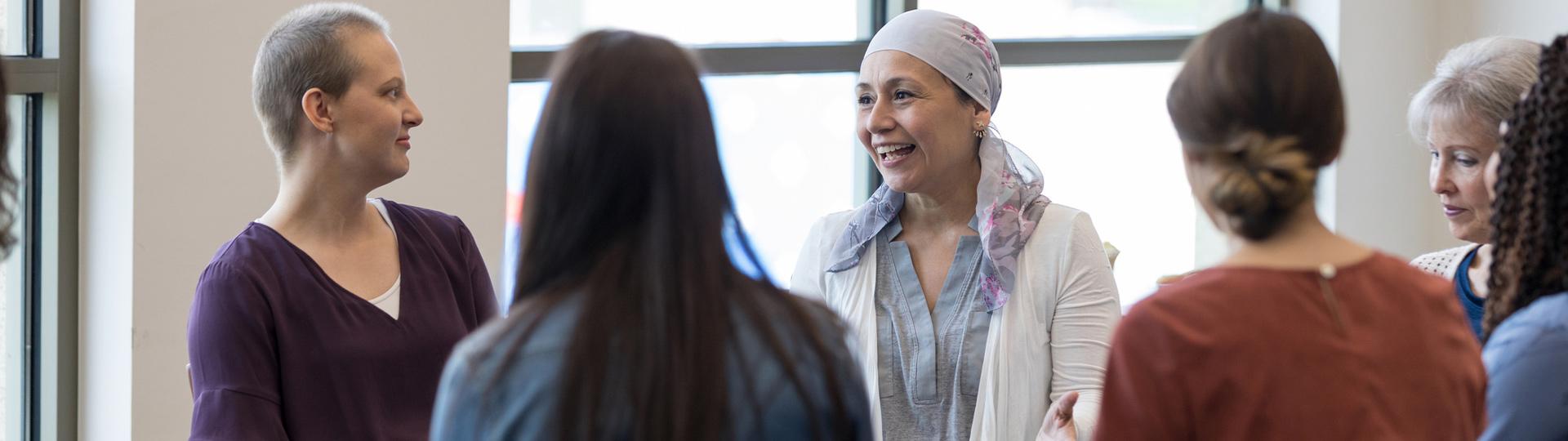
Cancer doesn’t simply affect a single part of a person’s body. At Altru Cancer Center, we recognize that cancer can impact your entire body—your physical, mental and emotional health. And beyond that, it can also affect your loved ones.
That’s why we’re committed to providing exceptional cancer care that extends well beyond cancer treatment. Our team of providers will walk with you from the day you’re diagnosed, helping to guide your decisions and make you as comfortable as possible every step of the way.
This extends to the family, too. We offer support services and resources that include family support during cancer, helping them know and understand how to best support the person with cancer.
Who is a Cancer Survivor?
Did you know that you are considered a cancer survivor from the day you are diagnosed? It’s true—and we consider cancer survivorship as a distinct part of the cancer care we provide. By 2030, the American Cancer Society estimates that there will be more than 22.1 million cancer survivors in the United States.
Patient Navigators
Coming to a cancer center can be overwhelming. That’s why we connect each patient with a patient navigator who works to provide support and guidance to help you through the process.
Your patient navigator will work closely with members of your medical team, helping to coordinate testing and treatment, as well as other aspects of your care.
You will also have access to a Financial Navigator who will assist you in navigating the financial hurdles to your treatment.
Social Resources
Our patient navigation department can work with you to determine your individual and family needs and connect you with the resources that can help as you adjust and move through cancer treatment.
These may include:
- New and gently used wigs and turbans available free of charge for anyone experiencing hair loss
- Referral to community agencies, including lodging and transportation.
- Referral to financial programs, including Medicaid, Social Security Administration, medication assistance and Veterans Affairs
- Support services, including counseling and education
- Supportive living arrangements including; personal care assistance, home health, hospice, home delivered meals, assisted living and nursing homes.
Survivorship Care Plan
A survivorship care plan is prepared by request at the end of treatment. It includes information related to diagnosis, treatment, survivorship care and overall health.
The provider will review the information with the patient and his or her family, highlighting the information related to what’s next, including follow-up care:
- Cancer-related resources online and in the community
- Information on recommended follow-up visits and tests
- Possible short-term and long-term side effects from cancer treatment
- Promotion of physical and mental wellness
- Signs and symptoms of cancer recurrence or secondary malignancy
Palliative Care
Palliative care is specialized medical care focused on improving quality of life for people with serious or chronic conditions. Palliative care focuses on preventing and relieving suffering and on supporting the best possible quality of life for patients and their families facing serious illness or chronic conditions. It can be provided at any stage of illness. The palliative care team does not replace your current healthcare team but work alongside your current healthcare providers to manage symptoms, reduce stress, improve quality of life, and support you and your family.
How palliative care can help:
- Relieve pain, shortness of breath, fatigue, nausea, and other symptoms.
- Support patients with cancer, heart disease, lung disease, kidney disease, neurological conditions, and many other chronic illnesses.
- Help you understand treatment options and make choices that align with your goals and values.
- Provide emotional support and resources for both you and your loved ones.
- Encourage connection, reflection, and creating meaningful memories.
Palliative care is not the same as hospice. Palliative care can be provided at any stage of illness—from diagnosis through treatment—while you are still pursuing curative or life-prolonging therapies. Hospice care is for patients who are in the final months of life and are no longer receiving curative treatment.
For more information regarding palliative care, please call us at 701.780.5860.
Nutrition Services
Oncology nutrition services are provided on site by a Registered Dietician with knowledge and skills to address nutrition and hydration requirements and recommendations throughout the continuum of cancer care, including prevention, diagnosis, treatment, survivorship, and palliative care.
Home Care
When cancer has advanced to a stage where it is considered terminal, patients and their families may need assistance navigating daily life and care. Home care may be available to patients who are cleared to return home but cannot care for themselves.
Resources
- American Society of Clinical Oncology
- Free to Breathe
- Livestrong
- National Coalition for Cancer Survivorship
- National Cancer Institute
- LCSW can provide individual or family counseling to help work through this transition. No referral is needed. Call 701.780.6697 for more information or to make an appointment.
If you have any questions about our support services at Altru Cancer Center, please call us at 701.780.5400.